
Last updated November 15, 2026
 Sweep & inspection
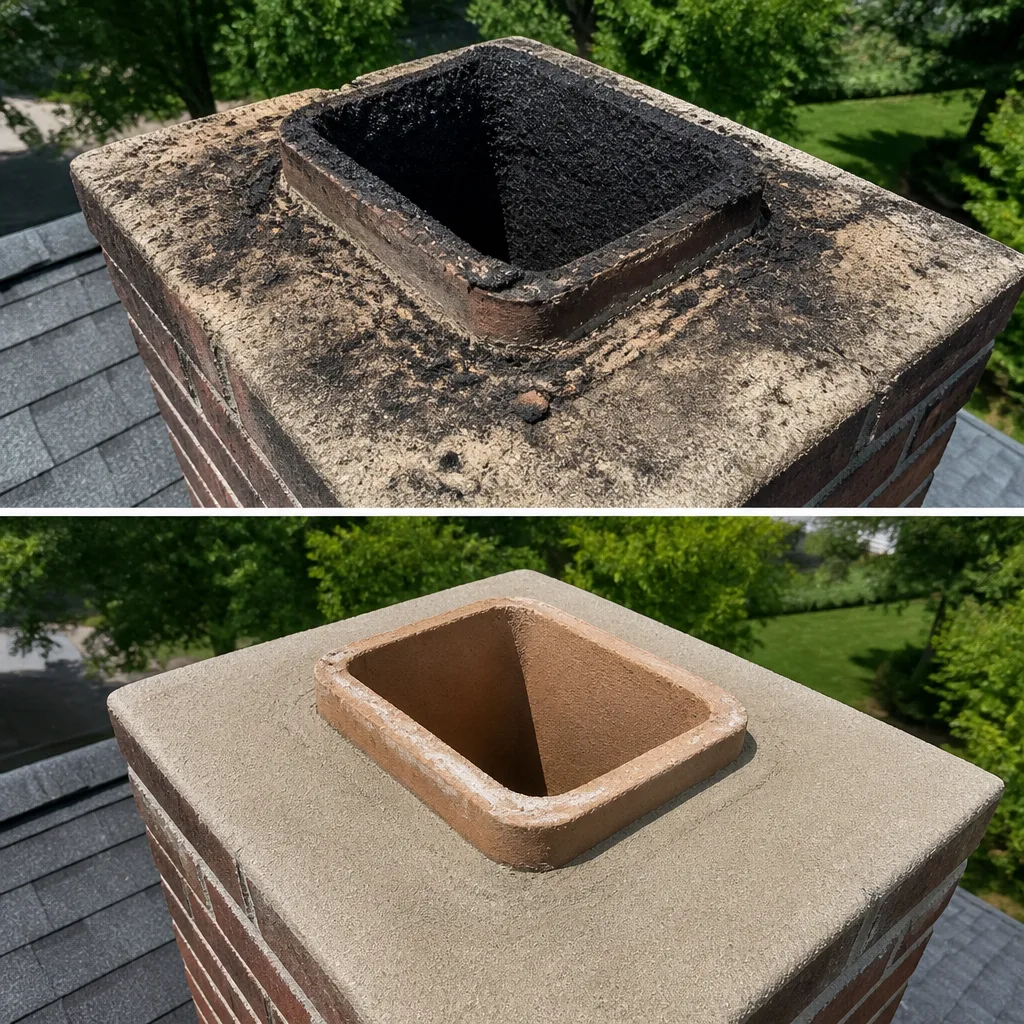
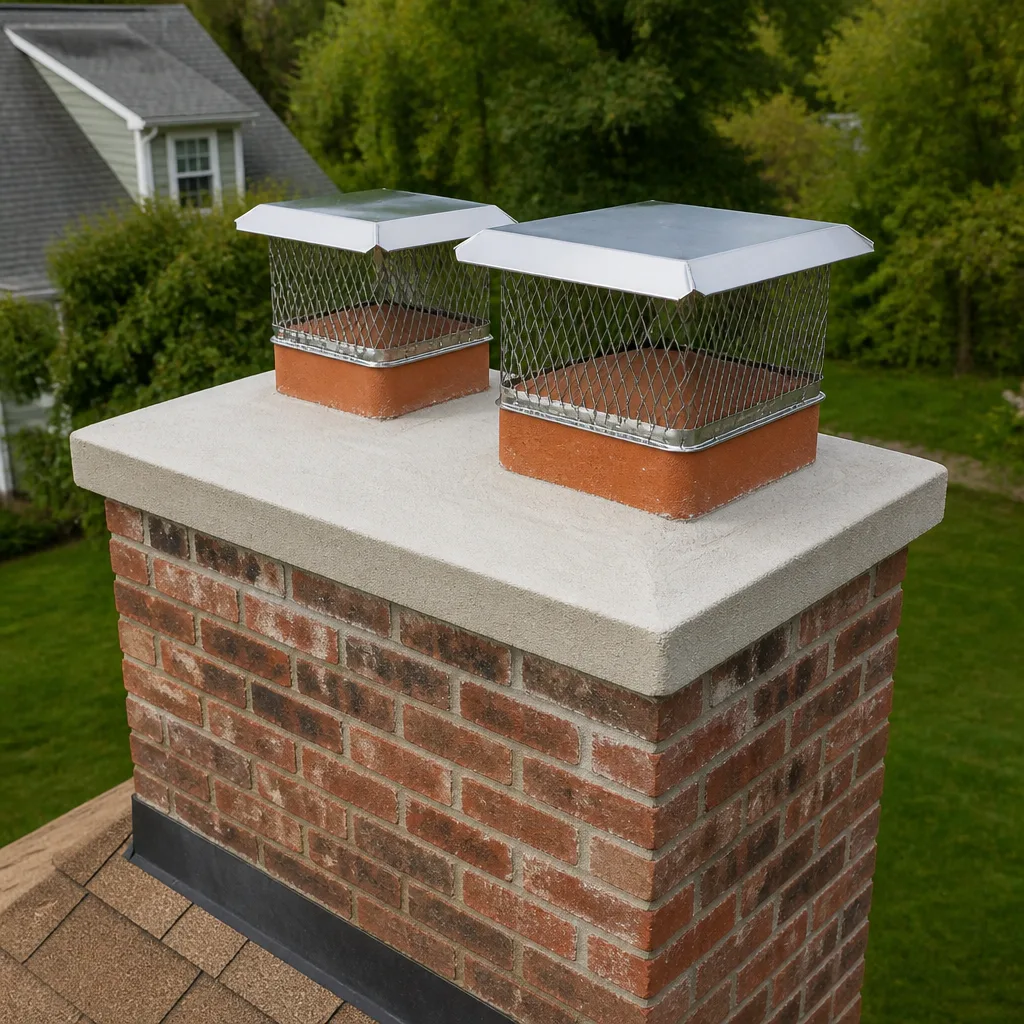 Caps & crowns
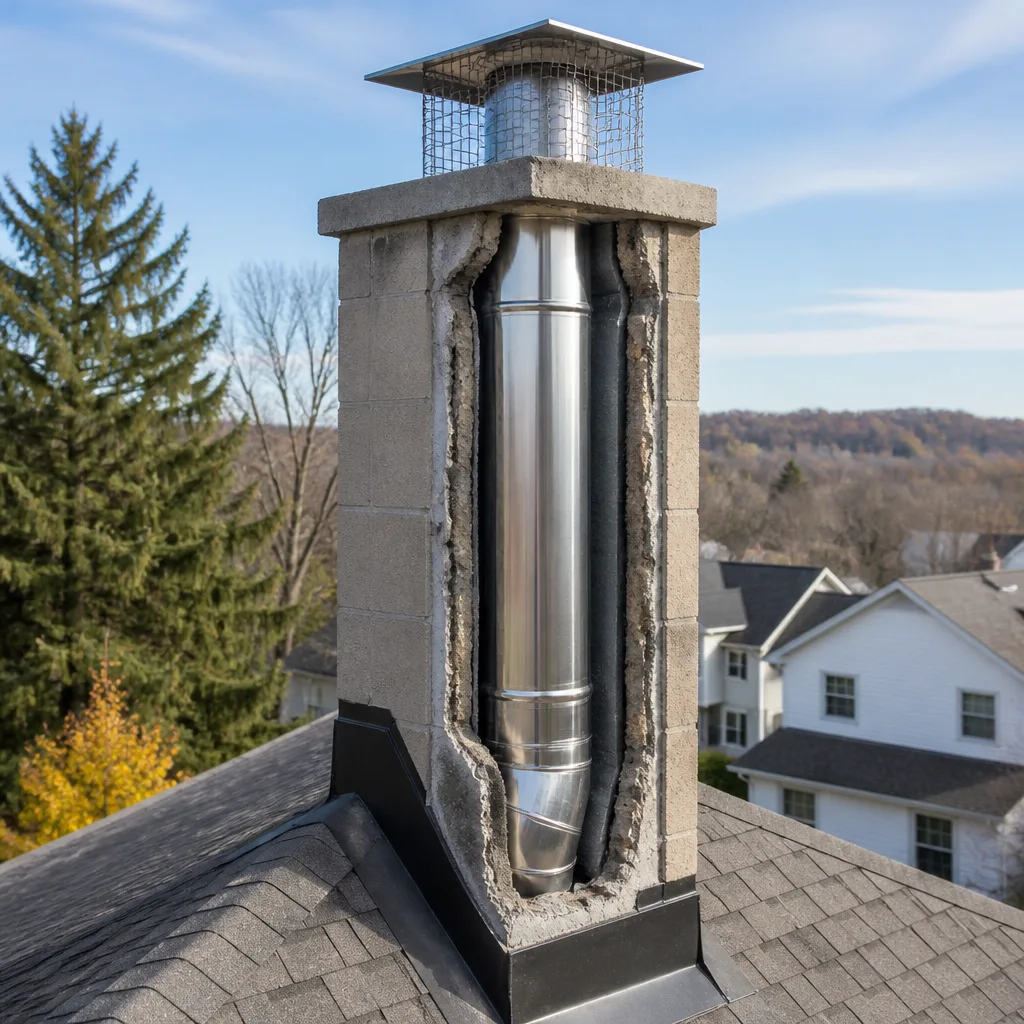 Flue relining
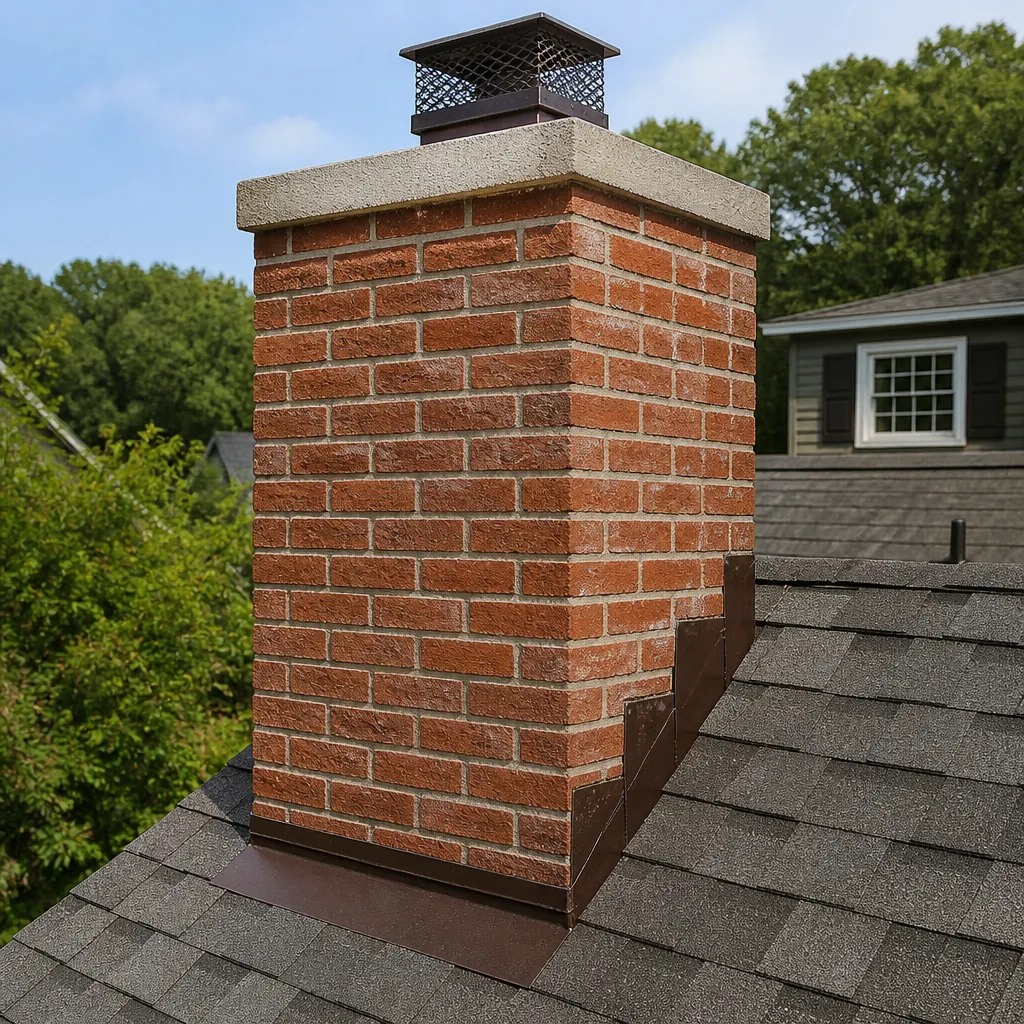 Masonry repair
 Gas fireplace service
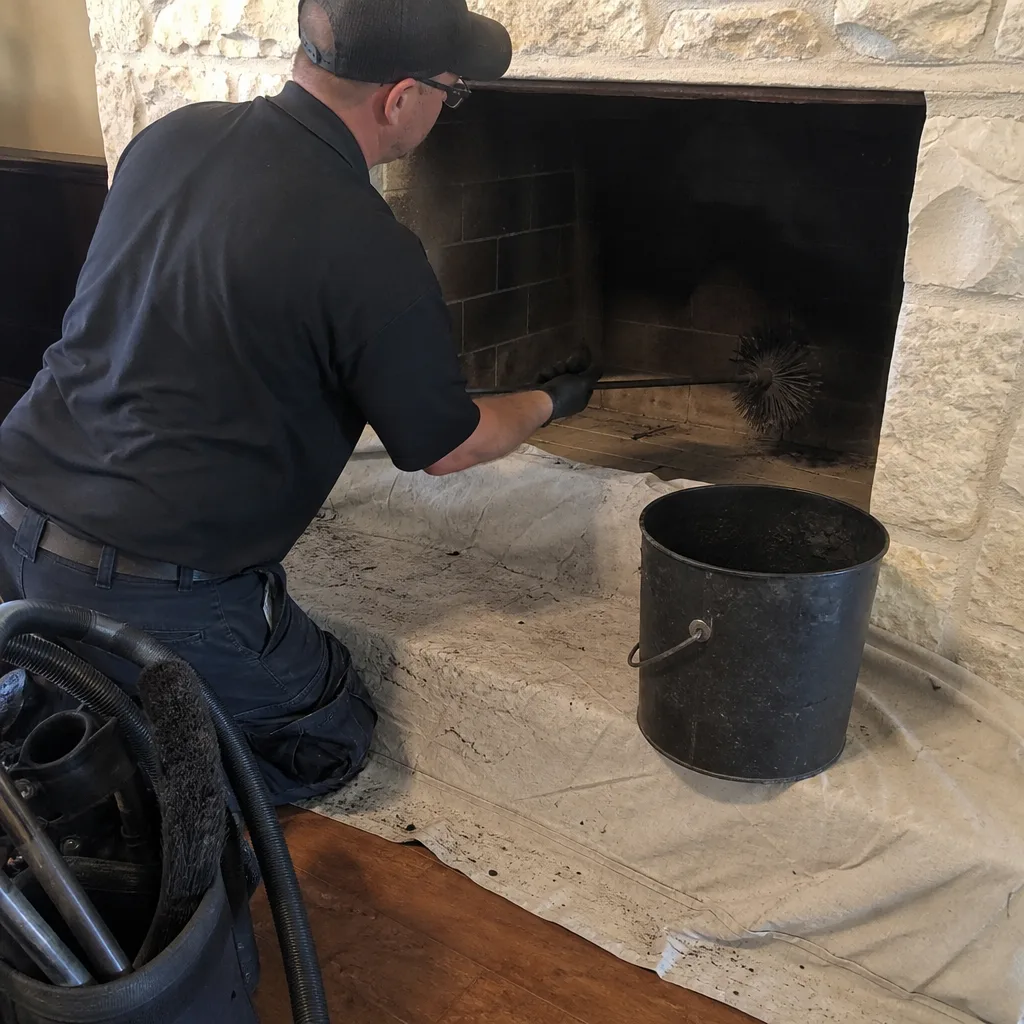
Level 1 sweep and inspection to the NFPA 211 annual standard - flue, crown, cap, and flashing checked and photographed
Chimney sweep logs do not sweep chimneys. They loosen some creosote - which then falls where a brush and vacuum still have to collect it.
Seasonal Chimney Cleaning Care for Corpus Christi: Year-Round Homeowner’s Guide
Scheduling your chimney sweep in October because that’s what the calendar says made sense in Ohio. In Corpus Christi, October is the tail end of hurricane season and the start of your actual fire window, which means the timing math is completely different. The humid summer, the wind-driven rain of late summer, and a burn season short enough to sneak up on you all change when a chimney needs attention and why. This guide walks through the four risk windows a Corpus Christi chimney actually moves through, from the pre-burn checklist in September to the repair-friendly off-season, plus the dryer vent timing most homeowners never think about.
Quick Answer
In Corpus Christi, the best time to schedule chimney cleaning is late September through October, right before the first fire of the season, then again after the burn season ends and before hurricane season peaks. Structural repairs and relining are best booked March through August, when the work is dry and scheduling is easier. Dryer vent cleaning belongs on the calendar in early spring, after months of heavy blanket and towel use have packed lint into the duct.
Styles & brands we work with
- Sweep & inspection
- Caps & crowns
- Flue relining
- Masonry repair
- Gas fireplace service
Table of Contents
- Why the Chimney Calendar Looks Different in Corpus Christi
- The Pre-Burn Window: What to Clear and Check Before the First Fire
- Hurricane Prep for Your Chimney System
- Post-Storm Assessment: When to Call and When to Wait
- The Off-Season Repair Window: March Through August
- Dryer Vent Timing: The Season Most Homeowners Miss
- The Year-Round Chimney Checklist
- Common Mistakes to Avoid
- When to Call a Professional
- Frequently Asked Questions
Why the Chimney Calendar Looks Different in Corpus Christi
Most chimney maintenance advice online was written for a climate with four hard seasons and a long heating stretch. Corpus Christi doesn’t work that way. Winters here are mild, the burn window is short, and the bigger seasonal threats to a chimney come from humidity and hurricane-season wind rather than from cold. That changes the whole schedule.
A chimney in a colder climate builds up creosote through months of steady burning and gets a spring cleaning as a matter of routine. A chimney in Corpus Christi often sits dormant from March to November. Dormant doesn’t mean safe. A flue that isn’t being used is a flue that birds, squirrels and insects treat as real estate, and a flue that isn’t being heated is a flue where moisture lingers.
Three local factors reshape the calendar:
- Humidity through the off-season. Warm, humid air moving through an unused flue can leave condensation on the interior. Over time that moisture works on mortar joints and can encourage deterioration that a dry climate wouldn’t produce.
- Hurricane season runs June through November. The peak overlaps with the start of the burn season, which is why chimney prep and storm prep have to be planned together, not separately.
- The burn window is short. Corpus Christi homeowners often burn for a few months, sometimes less. That makes a single well-timed sweep before the season more important than an aggressive quarterly schedule, and it makes the pre-burn inspection the one appointment you don’t skip.
That’s the frame for everything below. The seasons here don’t map onto a northern maintenance chart, so treat the four windows in this guide as your actual schedule.
The Pre-Burn Window: What to Clear and Check Before the First Fire
Your pre-burn window is September and October, before you light the first fire. This is the single most important chimney appointment of the Corpus Christi year, because it’s the one chance to catch what a humid summer and a nesting season left behind before you start burning.
Here’s what a pre-burn visit actually covers, whether you do the visible checks yourself or have a professional handle them:
- Look at the cap and spark arrestor. A missing, loose or clogged cap is the most common summer problem we see. If a bird built a nest in the flue, the cap is usually how it got in.
- Check the firebox and damper. Confirm the damper opens and closes fully. A damper stuck partway open lets conditioned air escape all summer and lets humid air into the flue.
- Inspect the visible flue and smoke chamber. Look for cracked mortar, gaps, or heavy soot buildup from last season. Cracks in the flue lining matter because a damaged liner can let combustion gases into living spaces instead of up the chimney.
- Clear the firebox of summer debris. Dust, insects, and anything that drifted in over the off-season need to go before the first fire.
- Book the sweep before the calendar fills. The weeks before the first cold front are the busiest stretch of the year for any chimney professional in Corpus Christi. Booking in September gets you on the schedule; waiting until the first cool night gets you on a waitlist.
A proper chimney sweep before heating season does two things at once: it removes soot and creosote from the flue, and it gives you a clear view of the flue’s condition while there’s still time to repair anything before you need it. If your pre-burn inspection hasn’t happened yet this year, it’s the first item on your list.
Hurricane Prep for Your Chimney System
Chimney prep is a real part of hurricane prep in Corpus Christi, and it’s the piece most storm checklists leave out. Wind-driven rain and horizontal gusts put pressure on a chimney system from angles a normal rainstorm never reaches.
Two tasks deserve your attention before a storm system approaches:
- Confirm the cap is secure. A chimney cap that’s already loose can come off in a strong gust and become a projectile, or leave the flue open to whatever the storm drives down it. Check the fasteners and the fit.
- Consider temporary damper sealing for wind-driven rain. In a storm that drives rain sideways, water can enter through an open flue or past a degraded cap and reach the firebox. Sealing the damper from below, or covering the chimney top if the cap is compromised, keeps the interior dry. This is temporary sheltering, not a repair.
If your chimney already has known weak spots – a hairline crack in the flue, a cap that’s been rattling, mortar that’s been crumbling at the crown – hurricane season is when those issues get serious. A small crack that’s harmless in still air can let water reach the interior when wind is driving rain against it for hours.
If storm prep turns up something that needs real repair, don’t plan it for the middle of the season. Book it into the dry months and get it fixed properly, using appropriate materials – Corpus Christi homeowners often ask us about HeatShield resurfacing for exactly this kind of hairline flue damage, since it can seal cracks in qualifying chimneys without a full reline.
Post-Storm Assessment: When to Call and When to Wait
After a serious storm passes, you don’t automatically need a full inspection. You need to know which signs point to real interior damage and which are just cosmetic. That distinction saves you a call when it’s not needed and prompts one when it is.
Call for a professional inspection if you notice any of the following after a storm:
- Water staining or dampness inside the firebox, on the smoke chamber, or on the ceiling near the chimney.
- A missing or displaced cap – the flue is now open to whatever the next storm sends down.
- Visible cracks or spalling in the flue lining, firebox, or masonry crown.
- Debris in the firebox that wasn’t there before the storm, which can mean something came down the flue.
- Loose flashing at the roof line, which is often the real source of a leak that shows up around the chimney.
What can usually wait: a few leaves that blew in, or soot that shifted around inside the firebox. That’s a sweep, not an emergency.
What wind-driven rain does to the interior of a chimney is mostly about moisture exposure. Water that reaches the flue lining and stays there weakens mortar joints over time and can soften the bond between the flue and the masonry. A one-time soaking that dries out is different from a persistent leak, and the difference usually shows up as recurring staining rather than a single wet patch. If you see the same stain after every storm, it’s worth an inspection. If it was a one-off and the chimney’s dry now, it likely can wait until your pre-burn appointment.
The other thing a post-storm inspection catches is invisible: a flue liner that took a hit during the wind without showing obvious damage from the outside. Our technicians have up to 9 years of experience reading exactly this kind of post-storm evidence, and a camera inspection with a photo report lets you see the interior for yourself rather than taking our word for it.
The Off-Season Repair Window: March Through August
If your chimney needs a structural repair or a new liner, the best months to book it are March through August. That’s the dry stretch, the schedule is looser, and the work can cure and settle before you need the chimney again in the fall.
This is the opposite of what most homeowners assume. The instinct is to wait until something’s wrong in the fall and then try to fix it fast. But repairs done under pressure in September are harder to schedule and harder to do well, because everything from curing time to weather is working against you.
The jobs that fit best in the off-season:
- Flue relining. Liner replacement is a bigger job and needs dry conditions to cure and settle. We work with DuraFlex liner systems for exactly this reason – they’re built to be installed and then left alone, which is what you want in a humid climate.
- Hairline crack resurfacing. HeatShield resurfacing seals fine cracks so the flue handles heat the way it was designed to, and it’s a repair option that extends chimney life without a full replacement. Qualifying chimneys can be resurfaced in the off-season and be ready well before fall.
- Crown and cap repairs. A cracked crown or a failing cap lets water in, and in a warm, humid climate that moisture does real work on the masonry. Fixing it dry is easier than patching it wet.
- Damper work. A damper that doesn’t seal should be addressed before the season starts, so you’re not fighting a draft and losing conditioned air all winter.
Off-season work also means you’re not the only one on the schedule during a rush. Booking in March means the work is done by June and the chimney’s ready long before the first cold front. If you’ve been putting off a repair, use the dry months.
Dryer Vent Timing: The Season Most Homeowners Miss
Dryer vent cleaning belongs on the chimney calendar, and early spring is when it matters most in Corpus Christi. That’s because the brief cold stretch in December and January is when heavy blanket and towel use spikes, and by March the lint that builds up has had a full season to pack into the duct.
The National Fire Protection Association identifies dryers as a leading cause of residential fires. Lint is the fuel. It collects in the duct, dries out, and catches from the heat of the dryer. In a Corpus Christi home where blankets and towels run through the dryer heavily for a few weeks and then the machine settles back into normal use, the lint doesn’t disappear – it sits in the duct, drying out further, until a spring cleaning clears it.
What to look for before you call:
- Longer dry times. If a load that used to finish in 45 minutes now takes 70, the vent is likely restricted.
- A hot dryer body. The machine itself shouldn’t feel hot to the touch on the outside.
- A burning or musty smell from the dryer or the vent outlet.
- Lint visible around the exterior vent flap, or a flap that won’t open fully.
Professional dryer vent cleaning is a dedicated service here, not an upsell afterthought, because a clogged dryer vent is a combustion-safety issue just like a clogged chimney flue. We run brushes and vacuum equipment rated for the whole duct run, including the transition behind the dryer where lint collects hardest. Schedule it for a dry week in spring after the heavy-use stretch, and then again once a year after that.
The Year-Round Chimney Checklist
Here’s the full-year version, laid out by month so it’s easy to follow. It’s the same schedule we walk Corpus Christi homeowners through, front to back.
- September-October (pre-burn): Book your chimney sweep. Clear the firebox, check the cap, confirm the damper, and have the flue inspected. This is the appointment that must happen.
- November (burn season begins): Burn dry, seasoned wood. Avoid burning trash, wrapping paper, or anything that leaves heavy creosote. Keep the damper open whenever a fire is burning.
- December-February (active burn season): Keep an eye on soot level in the firebox. Schedule a mid-season sweep if you burn heavily. This is also the heavy blanket and towel stretch, so note your dryer’s behavior.
- March (post-burn): Book dryer vent cleaning. This is also a good time to check for post-season staining or moisture in the firebox.
- April-August (off-season): Book structural repairs, relining, or resurfacing. Have the crown, cap and flashing checked. This is the dry window for real work.
- June (hurricane season starts): Confirm the cap is secure. Have the damper sealing plan ready for a storm event. Inspect for any new cracks.
- Post-storm (any time): Assess for water intrusion, missing caps, or visible damage. Call if you see staining, a displaced cap, or debris in the firebox.
Print this out and put it on the fridge. A chimney doesn’t need constant attention, but it does need the right attention at the right time, and the four windows above are the whole schedule.
Common Mistakes to Avoid
- Treating October like the only sweep window. October matters in Corpus Christi because it’s the pre-burn window, but if you burned heavily last season and skipped a check, the earlier the better. Don’t wait until the first cold front and then call and hope for an appointment.
- Skipping the pre-burn check because the chimney looks fine. A blocked or damaged flue often looks completely normal from the firebox. You need to actually see the flue, which is why a camera inspection matters.
- Waiting until fall to schedule a repair. Structural repairs during September and October are harder to book and slower to complete. The off-season, March through August, is the better window for relining and resurfacing.
- Letting a dryer vent go multiple years. Lint accumulates steadily even when your dryer seems to work. A clogged vent is a fire risk and a decreased-efficiency problem at the same time.
- Assuming a hurricane prep is a chimney repair. Securing the cap and sealing the damper during a storm is temporary protection. Real damage from a storm still needs a proper inspection after.
- Burning green or wet wood because it’s what’s available. Green wood leaves more creosote in the flue, which is exactly the risk you’re sweeping to address. Season your wood before the season starts.
- Ignoring recurring water stains after storms. One wet patch can be a one-off. A stain that returns after every storm usually points to an unresolved leak that will keep working on the flue until it’s repaired.
When to Call a Professional
Call a professional if you notice any of the following: a missing or loose cap, water staining in the firebox, visible cracks in the flue lining, a damper that doesn’t seal, a dryer that’s taking longer or running hot, or a chimney that hasn’t been swept before the upcoming burn season. Also call if your house is older, or if you’ve bought a home and don’t know the chimney’s history – a start-of-ownership inspection gives you a baseline.
A cracked flue liner allows combustion gases into living spaces, and that’s a risk that deserves a trained eye rather than a visual guess from the firebox. Our technicians work with professional-grade materials – DuraFlex, HeatShield, Gelco, Olympia Chimney, Famco and Copperfield – and we can work with your insurer if a repair is covered.
Starling Chimney Sweep offers free estimates in Corpus Christi. Call (888) 869-3130 to get one. We answer 24/7. Fast dispatch from 7am to 7pm.
Frequently Asked Questions
Schedule it for late September through October, right before the first fire of the season. That timing catches the humid summer’s effects before you burn. If you’re booking a repair or relining rather than a sweep, aim for March through August, when the work is dry and scheduling is easier.
Not always. A cracked or damaged liner sometimes can be resurfaced rather than fully replaced, and HeatShield resurfacing is an option for qualifying chimneys. The only way to know which you need is a camera inspection, so ask for a photo report of the flue interior before agreeing to any liner work.
Once a year if you burn regularly, usually before the season starts. If you burn only a few fires each year, a professional can tell you whether an annual sweep is overkill for your particular flue. What matters most is the inspection – seeing the flue condition – which should happen every year regardless of burn volume.
The flue may already have creosote from last season, a nest from the humid months, or a crack that opened up over the summer. Skipping the pre-burn check means you find out about a problem at the first fire instead of before it. A pre-burn sweep is low cost compared to a repair that could have been caught earlier.
Yes, and in a way a colder climate doesn’t. Warm, humid air moving through a dormant flue can leave condensation on the interior, which works on mortar joints over time. That’s why the pre-burn inspection in Corpus Christi includes checking for staining, not just soot, and why post-storm checks matter. The warm months do real work on a flue, even if you’re not burning.
Once a year, ideally in early spring after heavy blanket and towel use has passed. The dry winter stretch is when lint builds up fastest, so a spring cleaning catches it right when the accumulation is highest. If your dryer is taking longer to dry, running hot, or smelling musty, clean it sooner.
The Bottom Line
Corpus Christi doesn’t give you four even seasons, so don’t run a northern chimney calendar. The four windows that matter here are September and October for the pre-burn sweep, the storm season for cap and damper prep with a post-storm assessment to follow, March through August for structural repairs and relining, and early spring for dryer vent cleaning. Book the pre-burn sweep first, because it’s the one appointment that catches what the other three windows are designed to prevent. When you’re ready, Starling Chimney Sweep covers chimney sweeping, chimney repair, and dryer vent cleaning under one provider, so there’s no gap between the sweep and the repair. Call (888) 869-3130 for a free estimate. We answer 24/7. Fast dispatch from 7am to 7pm.
Written by the team at Starling Chimney Sweep.
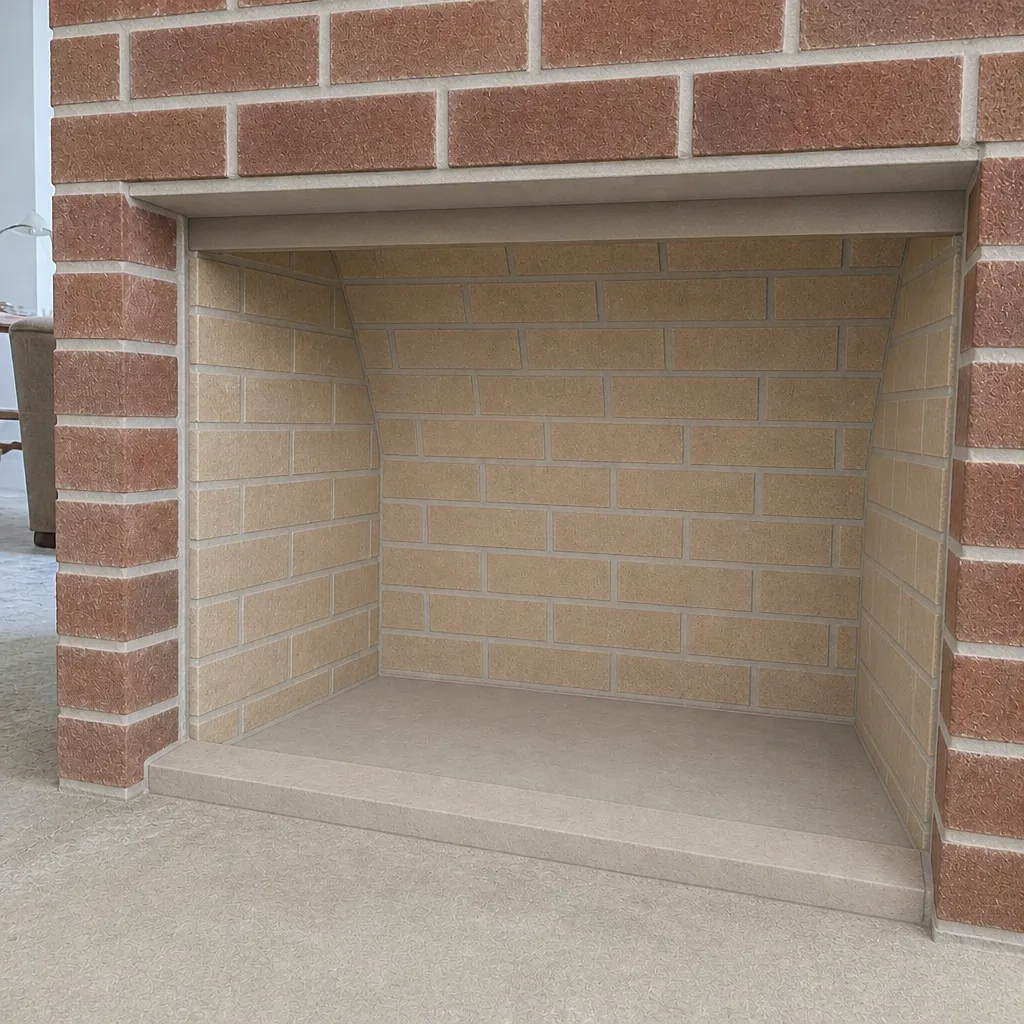
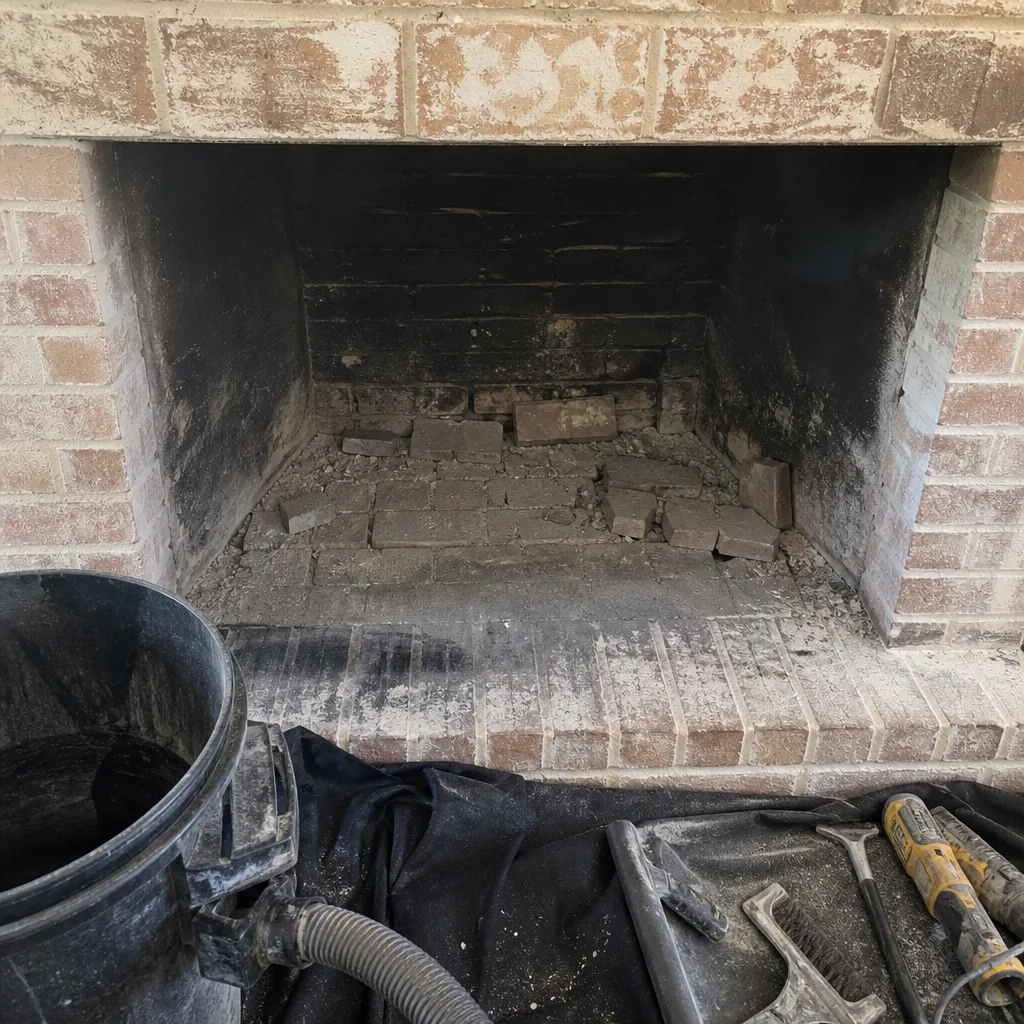
See the difference
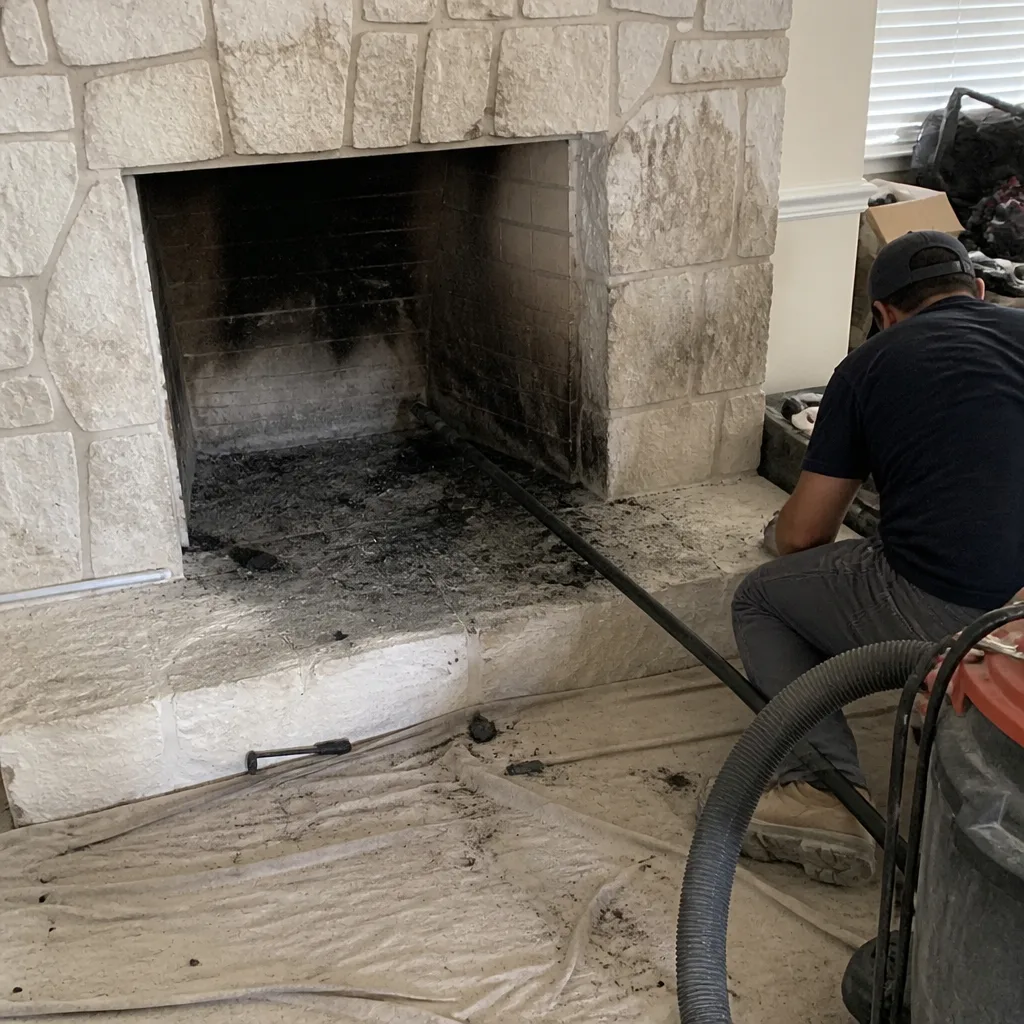 Before
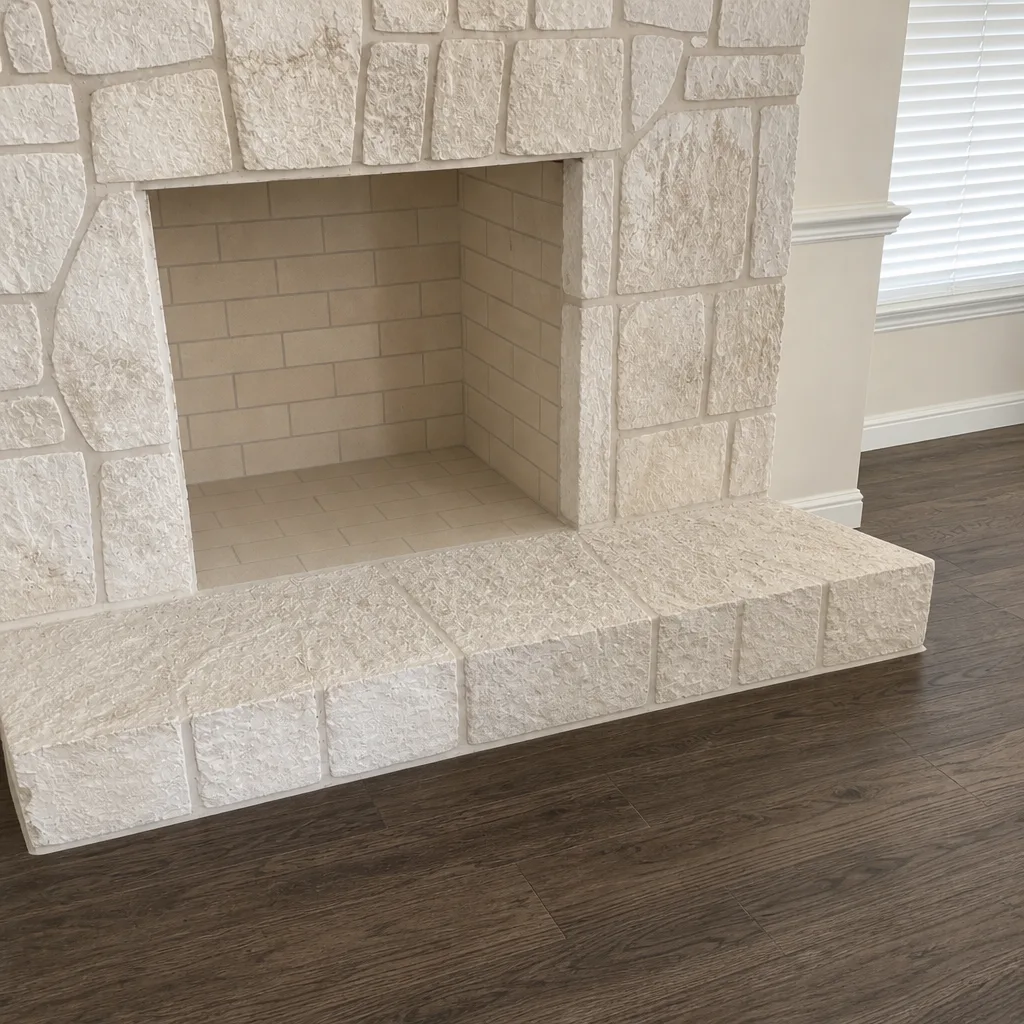 After
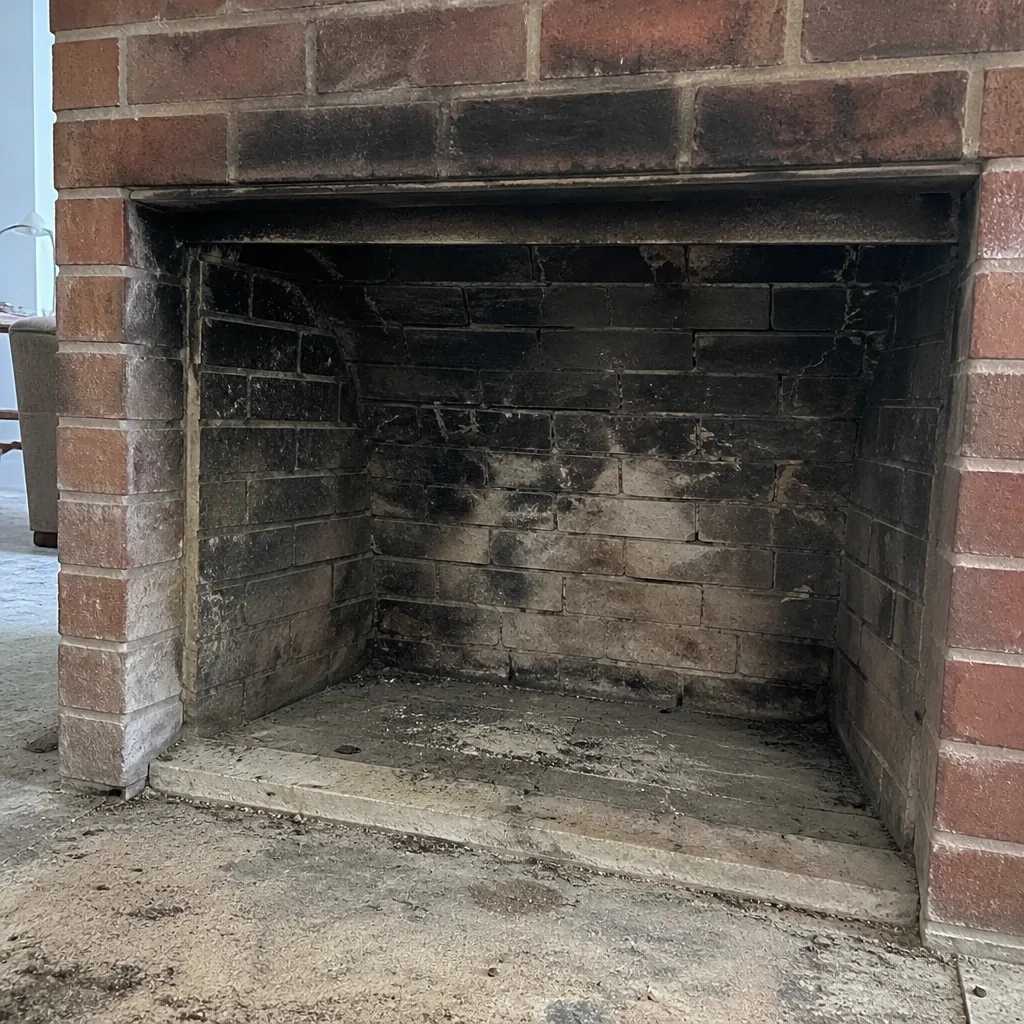 Before
 After
 Before
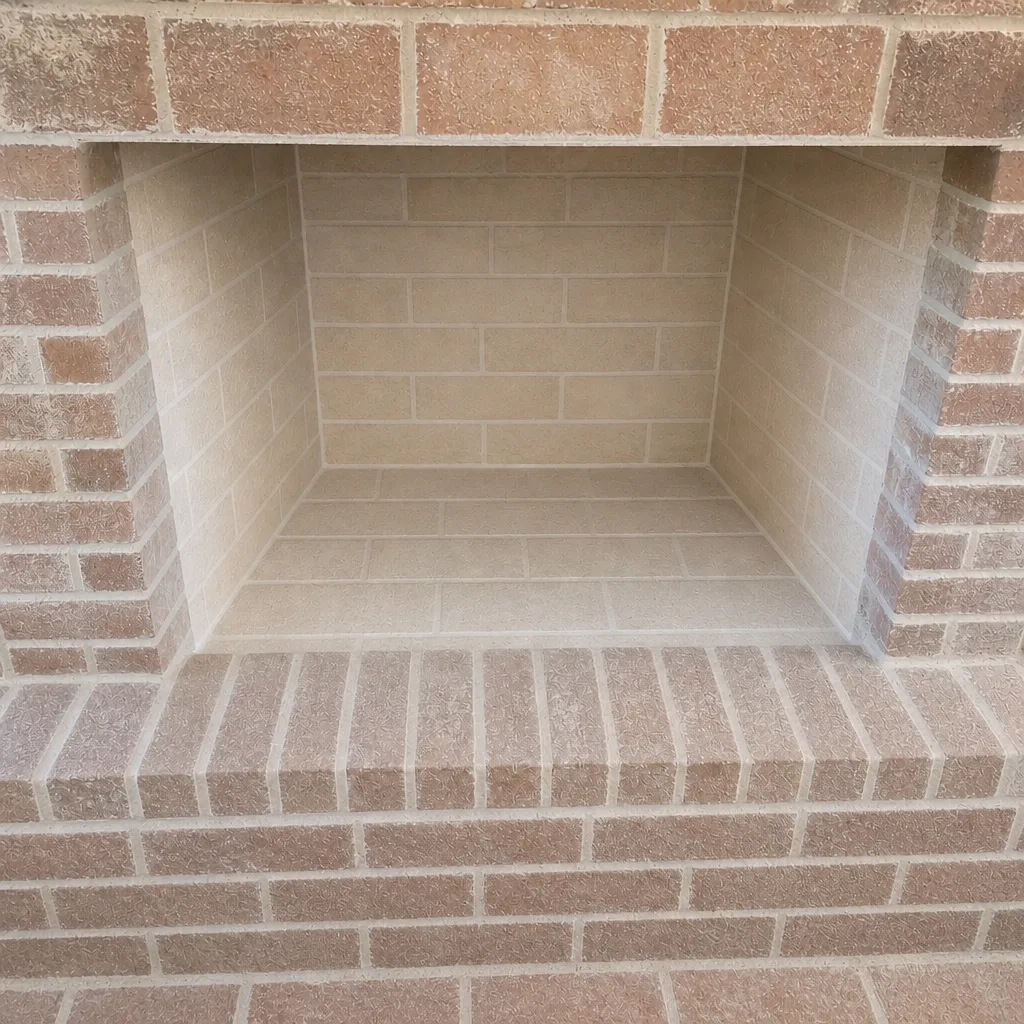 After