
Last updated November 15, 2026
 Sweep & inspection
 Caps & crowns
 Flue relining
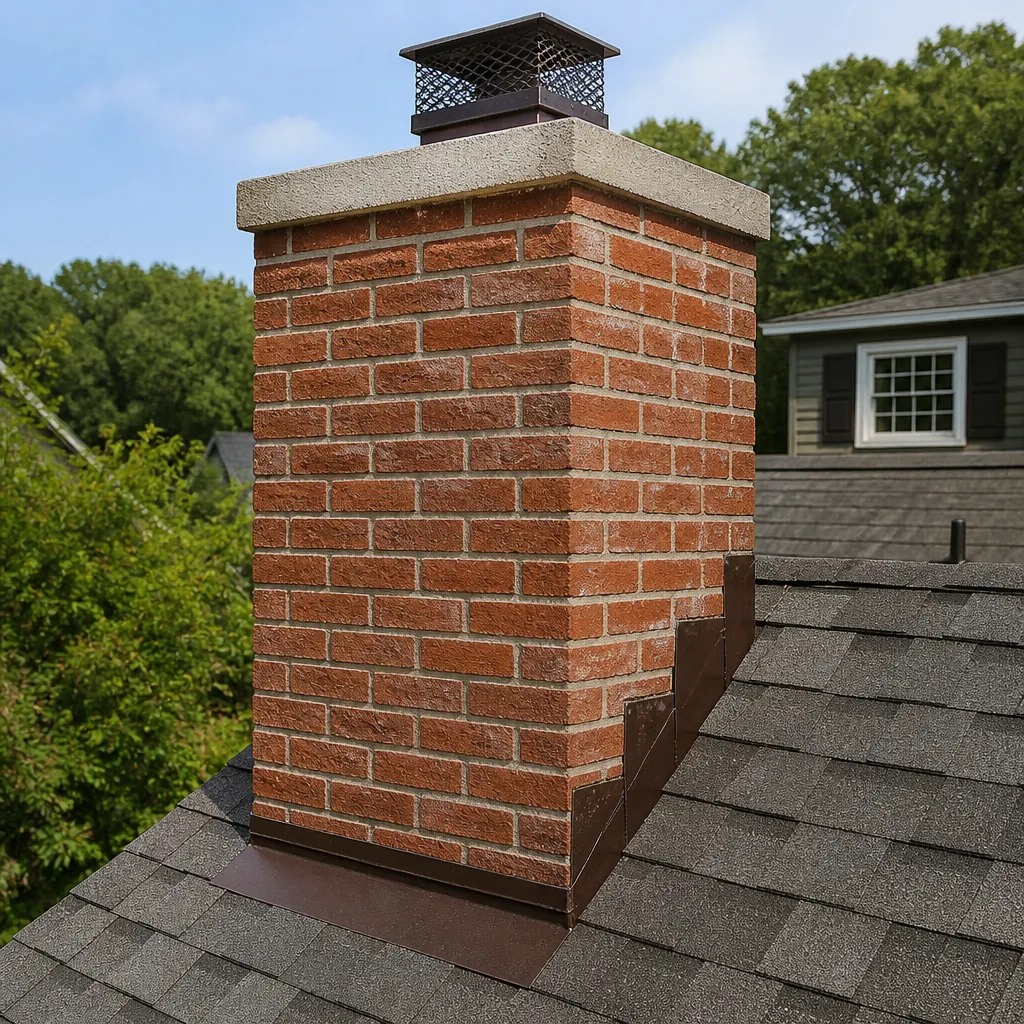 Masonry repair
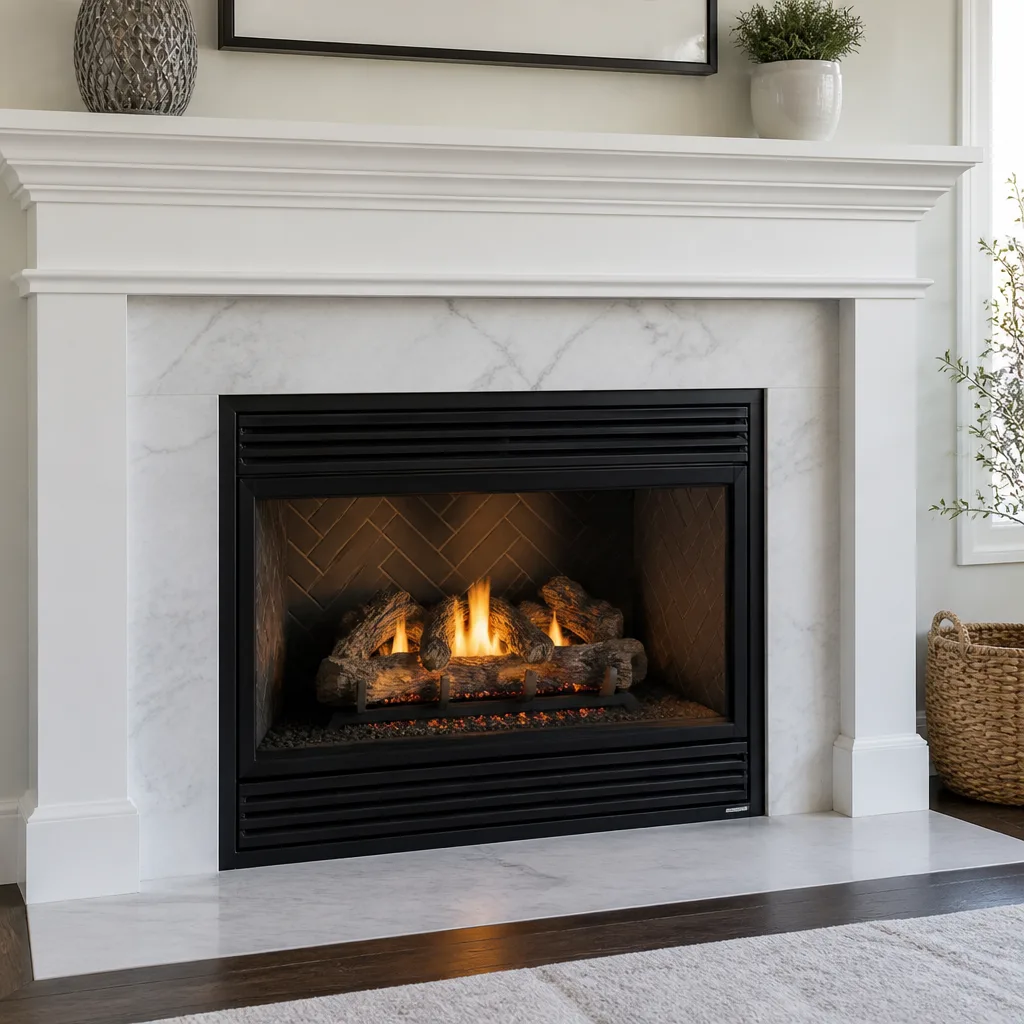 Gas fireplace service
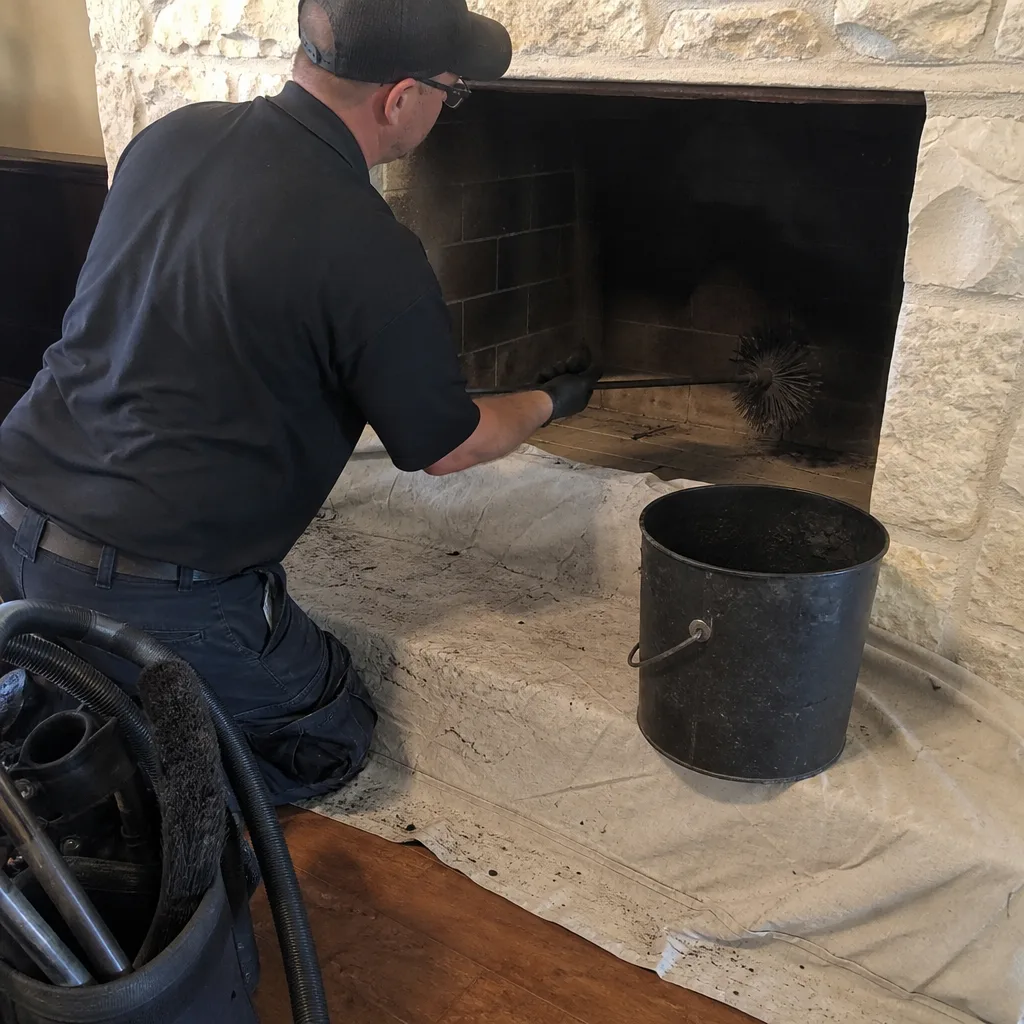
Level 1 sweep and inspection to the NFPA 211 annual standard - flue, crown, cap, and flashing checked and photographed
Chimney sweep logs do not sweep chimneys. They loosen some creosote - which then falls where a brush and vacuum still have to collect it.
Chimney Sweep Troubleshooting in Corpus Christi: Common Problems and How to Fix Them
There’s a belief that a chimney only gives you trouble if you burn a lot of wood. In Corpus Christi, the opposite happens often. A fireplace used a handful of times each winter can still fail a safety inspection, because the problems that build up here come from humidity, blowing grit, and long stretches of dormancy rather than heavy creosote loads. We’ve walked into homes where the fire had barely been lit and found a damper rusted shut, mortar joints crumbling, or a bird nest packed against the flue. This guide is written for the symptoms Gulf Coast homeowners actually see – not the freeze-and-snow playbook that most chimney articles assume. You’ll learn what each sign means, what you can safely check yourself, and what needs a trained sweep before your next fire.
Quick Answer
Most chimney problems in Corpus Christi come from low use combined with humid air, which corrodes dampers, weakens mortar, and lets debris and nesting birds settle in an open flue. The fix depends on the symptom: a smoky fire usually points to a pressure or airflow issue in the home, crumbling masonry points to water and salt exposure, and animal debris requires a professional sweep and a cap. Anything involving the flue liner, the firebox structure, or a gas appliance should be evaluated by a qualified sweep before you light another fire.
Styles & brands we work with
- Sweep & inspection
- Caps & crowns
- Flue relining
- Masonry repair
- Gas fireplace service
Table of Contents
- Why a Rarely Used Fireplace Still Fails Inspection
- Humidity and Corrosion: What Corpus Christi Air Does to Mortar and Dampers
- Smoke Backdraft: Why It’s Usually Pressure, Not Blockage
- Spalling Brick vs. Efflorescence: What Each One Tells You
- Animal Intrusion in South Texas: Starlings, Swifts, and Old Debris
- What You Can Safely Check Yourself vs. What Needs a Sweep
- Repair Options: Resurfacing, Relining, and Replacement
- When to Book: Before Heating Season and After Dormancy
Why a Rarely Used Fireplace Still Fails Inspection
A chimney that sits unused for months is not resting. It’s collecting. Moisture in the air moves through the masonry and condenses on cool interior surfaces. Grit blows in through an uncapped flue. Small animals look for shelter. Creosote from last season’s fires hardens into a crust that a brush alone can struggle to remove. None of this needs heavy burning to happen – it needs time and an open chimney.
This is the pattern that catches Corpus Christi homeowners off guard. A house here can go from mild fall evenings to holiday fires without anyone giving the chimney a thought, and by then the damage has had a year to settle. The two regional drivers we see again and again are:
- Humidity-driven corrosion. Warm, moist air and the cool metal of a damper don’t get along. Rust forms, the damper sticks, and the linkage that once moved smoothly starts to seize.
- Debris and nest accumulation. An uncapped flue is an open door. Old nests, leaves, and grit collect at the smoke shelf and narrow the path for exhaust.
A low-use chimney in Corpus Christi often needs a sweep precisely because it wasn’t used. The inspection is what separates a safe fireplace from a surprise. That’s the reason we treat a chimney sweep as a diagnostic visit, not just a cleaning – sweeping is the moment we get a camera into the flue and see what time and weather have done.
Humidity and Corrosion: What Corpus Christi Air Does to Mortar and Dampers
Mortar is porous. Bricks are porous. In a humid climate, masonry holds moisture and releases it slowly, and the constant back-and-forth stresses the joints that hold the chimney together. A damper assembly is metal set inside that masonry, and metal in a damp, sometimes acidic environment corrodes. This is why a fireplace that “worked fine last year” can have a damper that won’t open this year.
What corrosion looks like up close:
- Rust staining on the damper plate, the frame, or the firebox walls.
- A damper that binds, sticks open, or won’t close all the way.
- Chalky white residue on mortar joints where moisture has been working through.
- Cracked or soft mortar that crumbles when you probe it with a screwdriver (do this gently, from outside, and stop if it gives easily).
The repair path depends on how far the corrosion has gone. A stiff damper may free up with cleaning and lubrication. A rusted-through damper plate needs replacement. Loose mortar in the firebox or the flue needs repointing before it allows heat and gases where they shouldn’t go. We work with materials chosen for exactly this environment – Gelco and Olympia Chimney components for damper and venting work are made to hold up where moisture is a constant, and that’s why we keep them in the mix rather than whatever is cheapest on the shelf.
One honest point about timing: not every sign of moisture means urgent work. Some surface staining can wait a season with monitoring. But corrosion inside the firebox, and any soft mortar in the flue, should be looked at by a sweep before the next fire.
Smoke Backdraft: Why It’s Usually Pressure, Not Blockage
When smoke rolls out of the fireplace instead of going up, the instinct is to assume the flue is blocked. Often it isn’t. In a modern, tightly sealed Corpus Christi home, the house itself can be the problem. Bathroom fans, kitchen exhaust hoods, and even a clothes dryer pull air out of the house. If the house is sealed tight and the chimney can’t draw replacement air, the fire loses its draft and smoke spills into the room.
A simple way to think about it: a chimney needs to push air out the top, which means the house has to let air in somewhere. Here’s how to tell pressure problems from a genuine blockage:
- Crack a nearby window an inch and light a small test fire. If the smoke goes up the flue with the window open and backdrafts with it closed, you’re looking at a pressure problem.
- Note when it happens. Backdraft that shows up mostly when the dryer, range hood, or bathroom fan is running points to a depressurized house rather than a blocked flue.
- Check the flue for obvious obstruction from below. Look up with a flashlight and see whether you can see daylight or a clear path. Don’t reach up into the flue.
- Have the flue inspected anyway if it’s been more than a season since the last sweep. A partial blockage and a pressure problem can feel identical from the hearth, and only an inspection tells them apart.
If it’s pressure, the fixes are usually about air supply and draft: a slightly open window during fires, balancing exhaust fans, and confirming the flue is the right size for the firebox opening. If it’s a partial blockage, a sweep clears it. What you shouldn’t do is keep lighting fires and hoping it clears up – repeated smoke spills put soot and carbon monoxide into the room.
Spalling Brick vs. Efflorescence: What Each One Tells You
Two white-and-flaky symptoms get confused constantly, and they mean very different things. Efflorescence is a white, powdery salt deposit on the surface of the brick. It’s a moisture signal, but it’s usually cosmetic – the brick is drying out and leaving salt behind. Spalling is different: the face of the brick actually flakes, peels, or pops off, sometimes leaving a pitted surface. Spalling means water is getting inside the brick and freezing or swelling the material from within until the outer layer breaks away.
Here’s how to tell them apart at a glance:
- Efflorescence wipes away with a stiff brush or a dry cloth and leaves the brick face intact underneath.
- Spalling doesn’t wipe off – a flake of brick has physically separated, and the surface beneath is rough or recessed.
- Efflorescence often returns seasonally and fades during dry stretches.
- Spalling tends to progress: once one face pops, adjacent bricks often follow as moisture keeps working in.
What each means structurally: efflorescence says “find the source of moisture and control it.” That source might be a missing chimney cap, a cracked crown, or a bad flashing seal where the chimney meets the roof. Spalling says “the masonry is losing its outer skin and needs evaluation.” Left alone, spalling bricks let water deeper into the chimney core, and the joints supporting them weaken.
Neither problem is fixed by painting over it. Sealing a damp chimney traps moisture and makes spalling worse. If you see spalling on your chimney, have it inspected before the next heating season – and if a sweep recommends a repair, ask to see the photos of what they found so you can see the difference yourself.
Animal Intrusion in South Texas: Starlings, Swifts, and Old Debris
An uncapped chimney is prime real estate for birds, and South Texas has two regular tenants. Starlings – the bird our company is named for – nest in flues, and chimney swifts do the same. Both can build a nest that blocks the flue, and both can leave behind a debris load that isn’t obvious from the hearth.
Telling active nesting from old debris matters, because an active nest needs to be handled differently from a pile of old material. Signs of active nesting:
- Scratching, chirping, or fluttering sounds from the flue during the day.
- Birds entering or leaving the top of the chimney.
- Fresh droppings or twigs around the base of the chimney or on the roof.
- Smoke or a musty smell backing into the room even with the damper open.
Signs of old debris:
- A pile of twigs, feathers, or dried material visible from below with a flashlight.
- Smoke that drafts poorly or smells stale, but no sounds.
- Debris that falls into the firebox when the damper is operated.
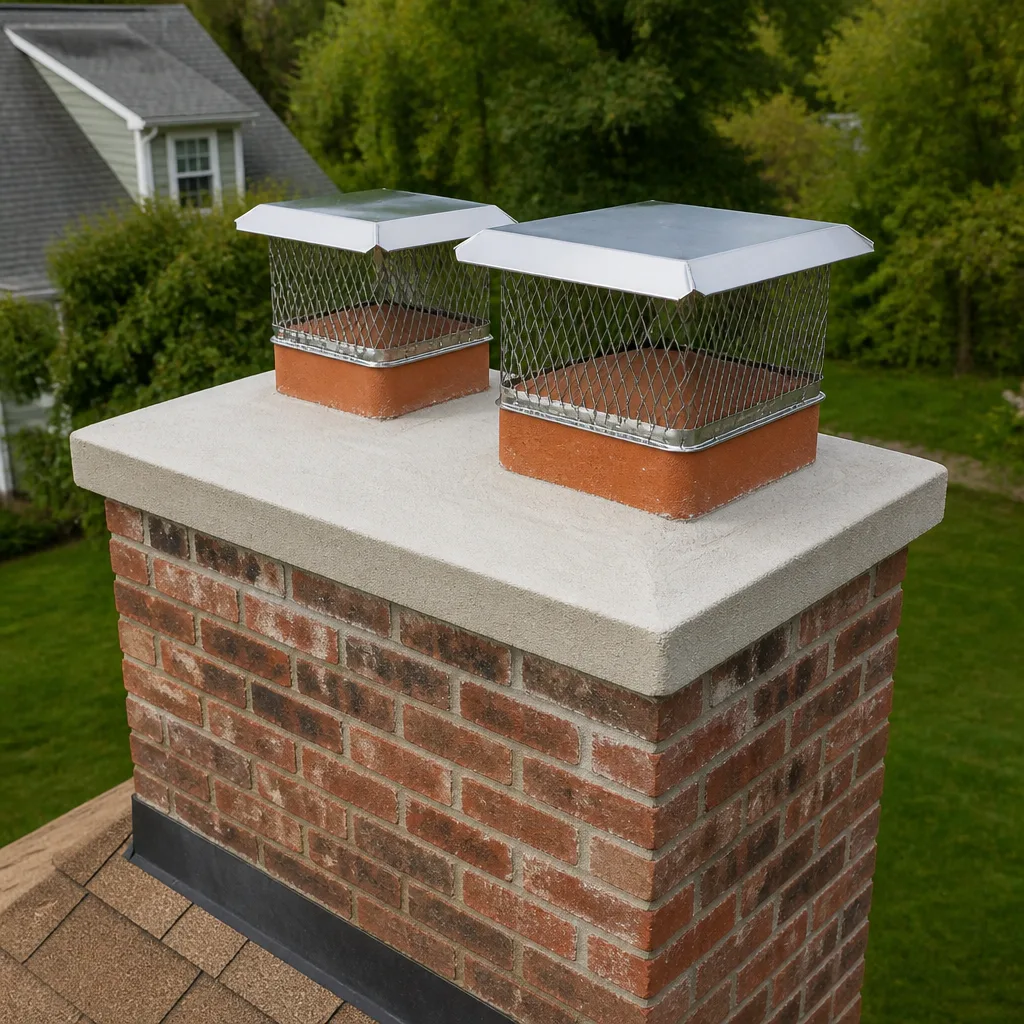
What to do either way: don’t try to burn a nest out, and don’t reach up into the flue. An active nest should be removed by a professional sweep, and the sweep can confirm whether the nest has damaged the flue. The permanent fix is a chimney cap – a proper cap keeps birds, rain, and grit out, and it’s one of the least expensive pieces of chimney protection you can add. We stock caps and venting parts from Famco and Copperfield because they hold up in the local weather and fit the flues we see most often in Corpus Christi.
What You Can Safely Check Yourself vs. What Needs a Sweep
There’s a useful line between observing your chimney and working on it. You can learn a lot from the hearth without climbing on the roof or reaching into the flue. Here’s the split we give homeowners in Corpus Christi.
Safe to check yourself
- Look up the flue with a flashlight and confirm you can see a clear path or daylight.
- Open and close the damper by its handle and note any stiffness or grinding.
- Look for rust staining, loose mortar in the firebox, or cracked firebrick.
- Check the outside of the chimney from the ground with binoculars for missing caps, cracked crowns, or spalling brick.
- Notice smoke behavior: does it draft cleanly, or spill into the room?
Needs a trained sweep
- Any work inside the flue – brushing, nest removal, or inspection of the liner.
- Roof-level work: the crown, the cap, the flashing, or the top of the flue.
- Anything involving a cracked or deteriorated flue liner.
- Gas appliance venting, which carries carbon monoxide risk.
- Any repair that involves opening the masonry or the firebox.
A cracked flue liner allows combustion gases into living spaces. That’s the reason a liner issue isn’t a wait-and-see problem. If you see a crack, a gap, or missing pieces inside the flue, stop using the fireplace until a sweep has looked at it. A camera inspection shows you the exact condition, and a good sweep will show you the photos before recommending anything.
Repair Options: Resurfacing, Relining, and Replacement
When a chimney does need repair, the answer isn’t automatically a full liner replacement. The right option depends on what the camera shows. Here’s how the choices stack up, from least to most invasive.
- Cleaning and repointing. For soot, light creosote, and loose surface mortar, a sweep and repointing restores the chimney without structural changes.
- HeatShield resurfacing. When the flue interior has hairline cracks but the structure is sound, resurfacing seals those cracks and restores a smooth interior surface. This is a middle path that extends chimney life without full relining, and it’s an option we’re trained and stocked for. HeatShield resurfacing seals hairline cracks so your flue handles heat the way it was designed to.
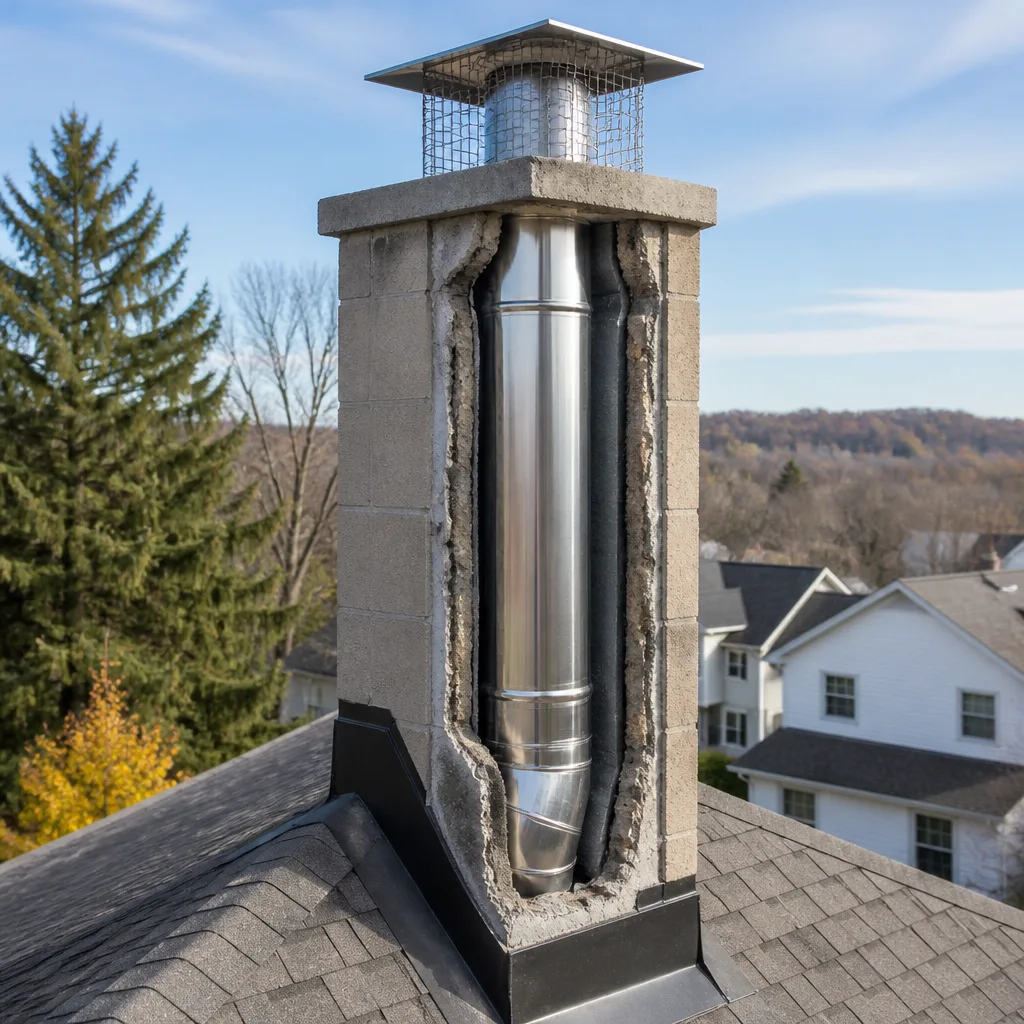
- Relining. When the existing liner is cracked, shifting, or undersized, a new liner is the safe fix. We install DuraFlex liner systems because they’re made for the job and hold up over the long term. A reline restores the flue’s function and keeps combustion gases where they belong.
- Rebuilding or replacement. For chimneys with severe structural damage – spalled brick through the core, a failed crown, or a firebox that’s no longer sound – a rebuild may be the only honest option.
Two things to insist on before any of these: a camera inspection with photos you can see, and a written estimate that sets the price. Nothing should be recommended that isn’t backed by evidence from the camera. And if the work can safely wait a season, a good sweep will tell you that too.
When to Book: Before Heating Season and After Dormancy
The best time to look at a chimney is before you need it, and the second-best time is right after it’s had a long rest. In Corpus Christi, “before heating season” means late summer and early fall – before the first cool evening when everyone reaches for the firewood at once. “After dormancy” means after a fireplace has sat unused for months, when accumulated moisture, debris, and nesting have had time to settle in.
Here’s the practical calendar we suggest to homeowners:
- Late summer to early fall: book a chimney sweep so any repairs have time before the first fire.
- After a long unused stretch: have the flue inspected before relighting, especially if it’s uncapped.
- After any backdraft, animal noise, or smoke spill: book an inspection rather than waiting for the season.
- For dryer vent safety: treat dryer vent cleaning as part of the same annual safety review, since lint buildup is a recognized fire risk and often overlooked.
Booking is a scheduled visit, and the urgency here is seasonal rather than hourly. Call (888) 869-3130 to get on the schedule. We answer 24/7, and fast dispatch runs from 7am to 7pm, Sunday through Friday, and we’re closed Saturday. If you call outside dispatch hours, we book you into the next opening.
Common Mistakes to Avoid
- Burning a bird nest out of the flue. A nest can flare and send flame and debris into the chimney or the house. Remove it with a sweep and cap the flue instead.
- Painting or sealing a damp chimney. Sealant traps moisture inside the masonry and speeds up spalling. Fix the water source – cap, crown, or flashing – and let the chimney dry.
- Assuming a rarely used fireplace is safe. Low use still means moisture, debris, and nesting. A Corpus Christi chimney can fail inspection after a light year of burning.
- Ignoring a stiff damper. A damper that won’t fully open causes smoke to spill into the room. Have it checked before the fire, not after.
- Lighting a fire after backdraft without investigating. Repeated smoke spill puts soot and carbon monoxide in the air. Find the cause – pressure or blockage – before relighting.
- Skipping the camera inspection. A visual look from below can miss a cracked liner. Ask for a camera inspection and see the photos before agreeing to any repair.
- Forgetting the dryer vent. Dryer lint buildup is a fire cause the fire service tracks closely, and it’s a separate system from the chimney. It should get the same attention.
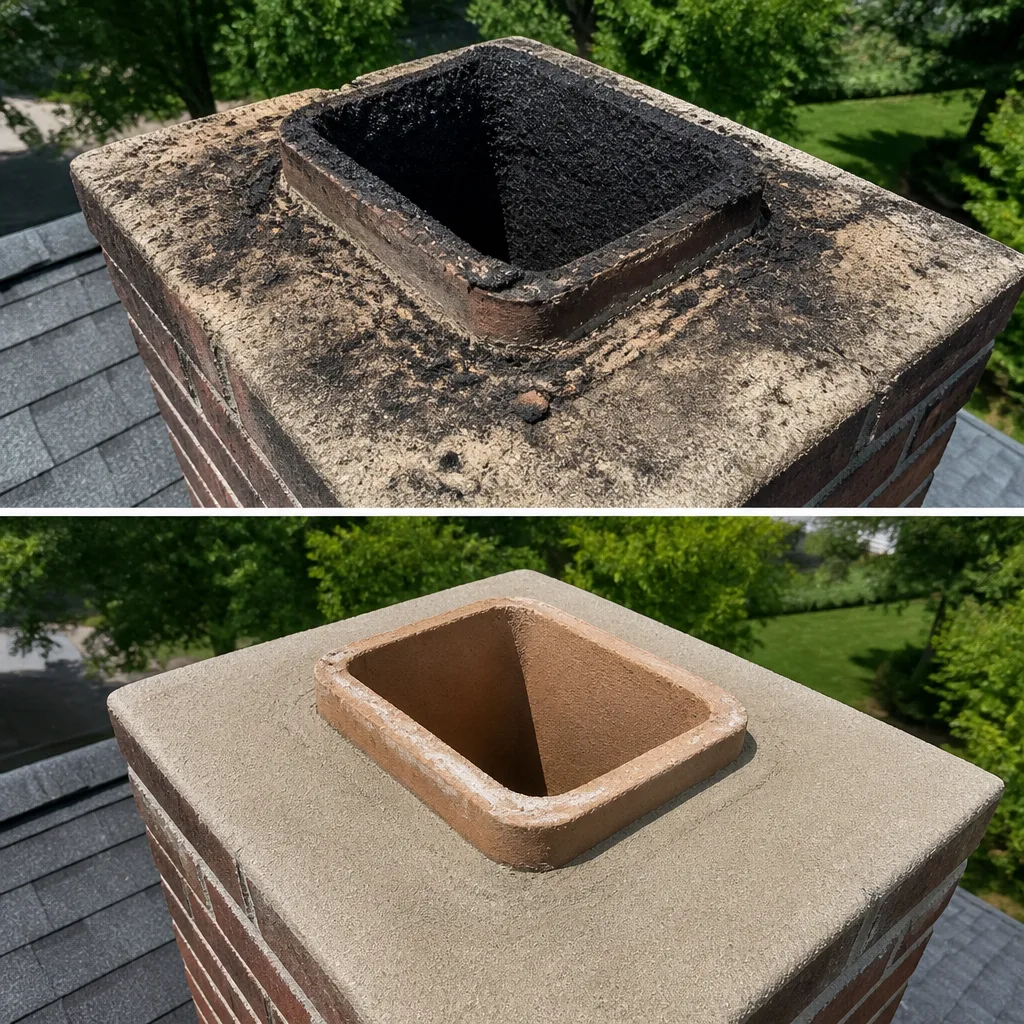
See the difference
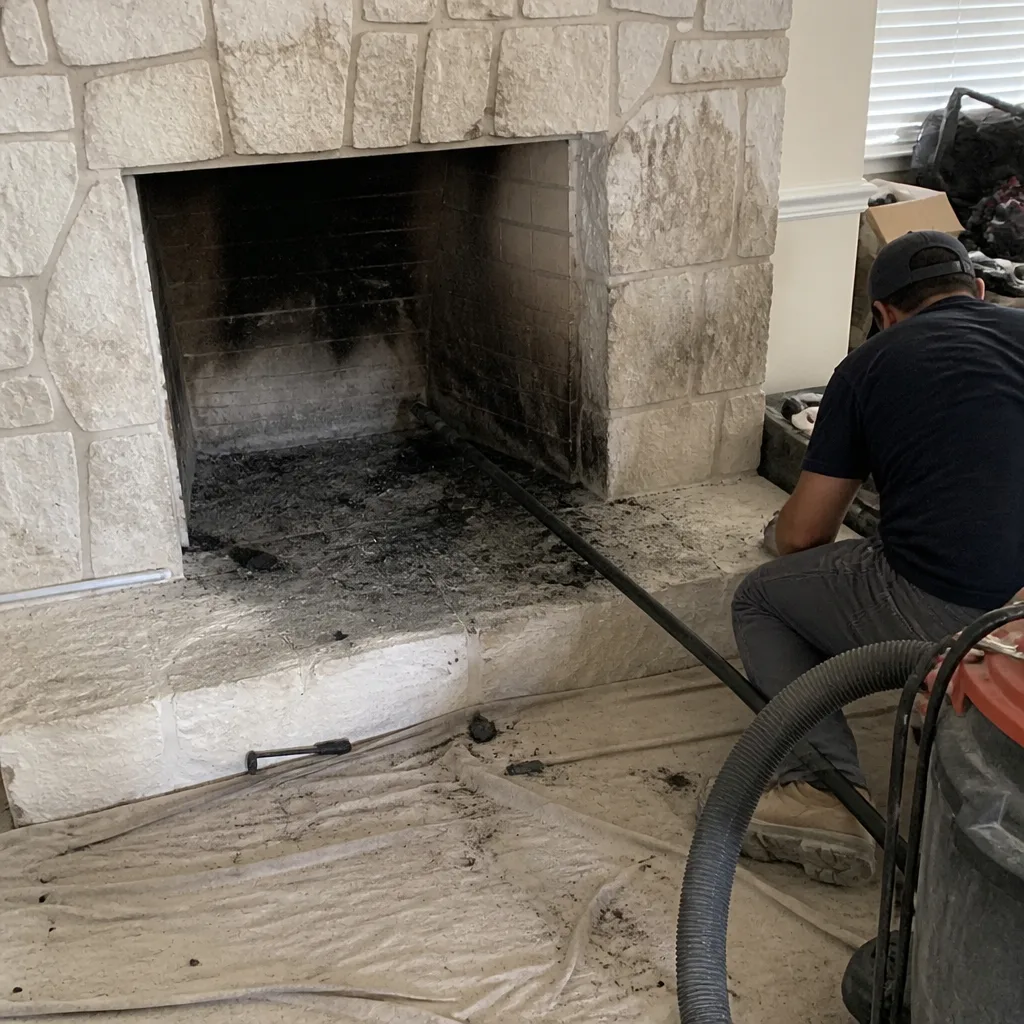 Before
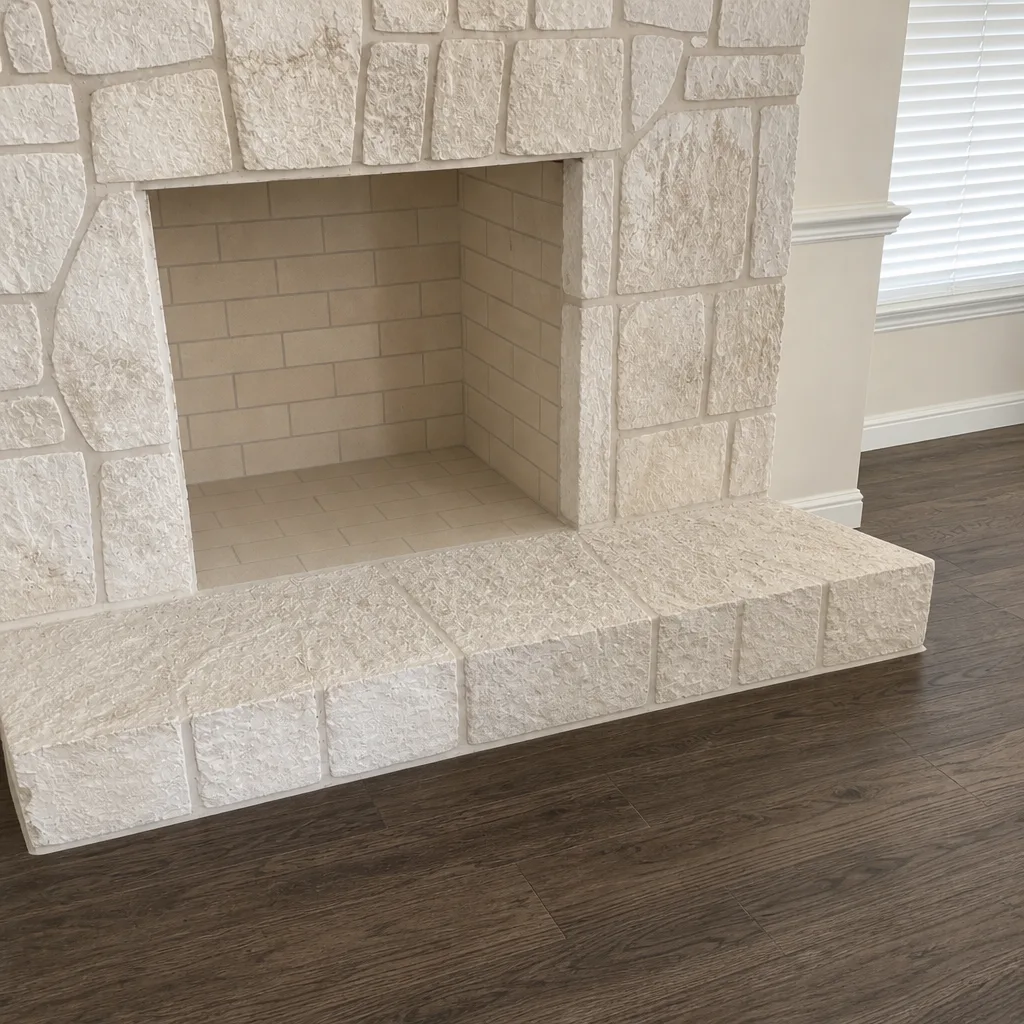 After
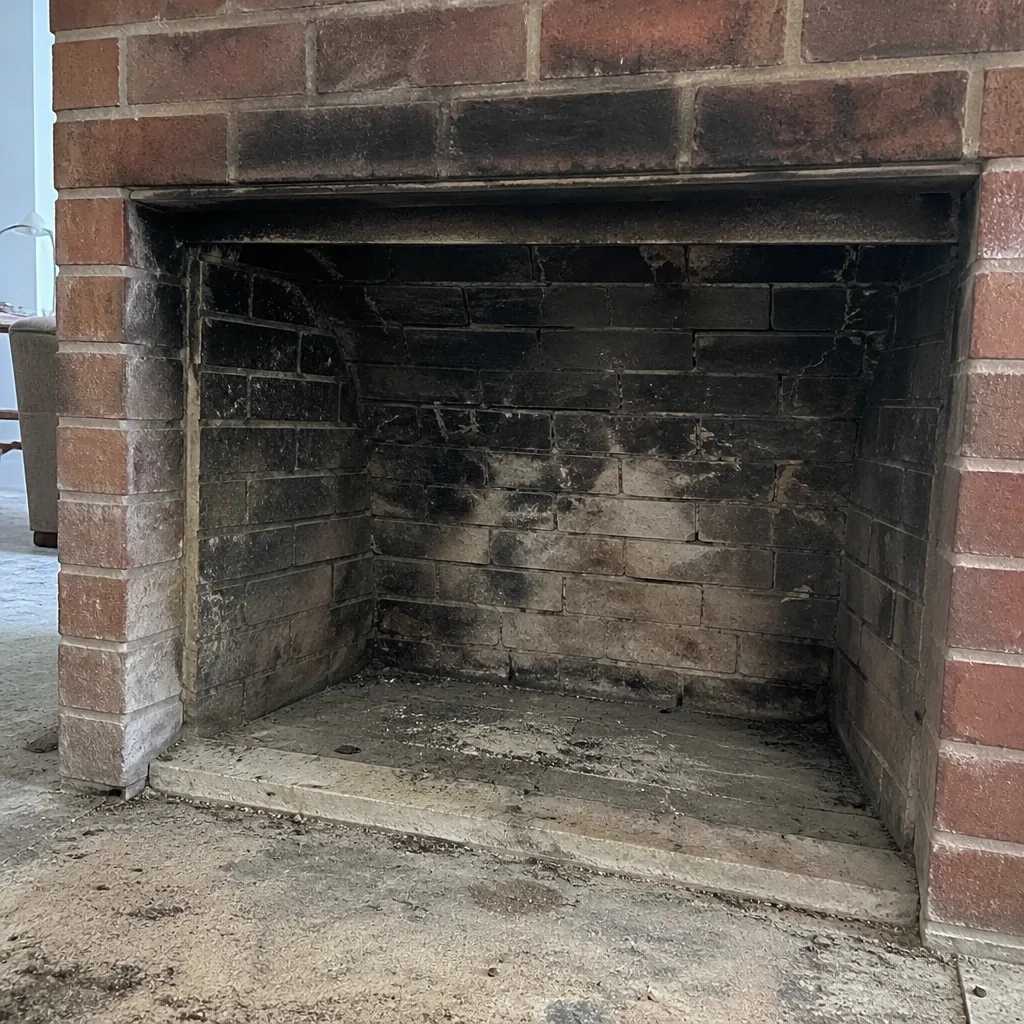 Before
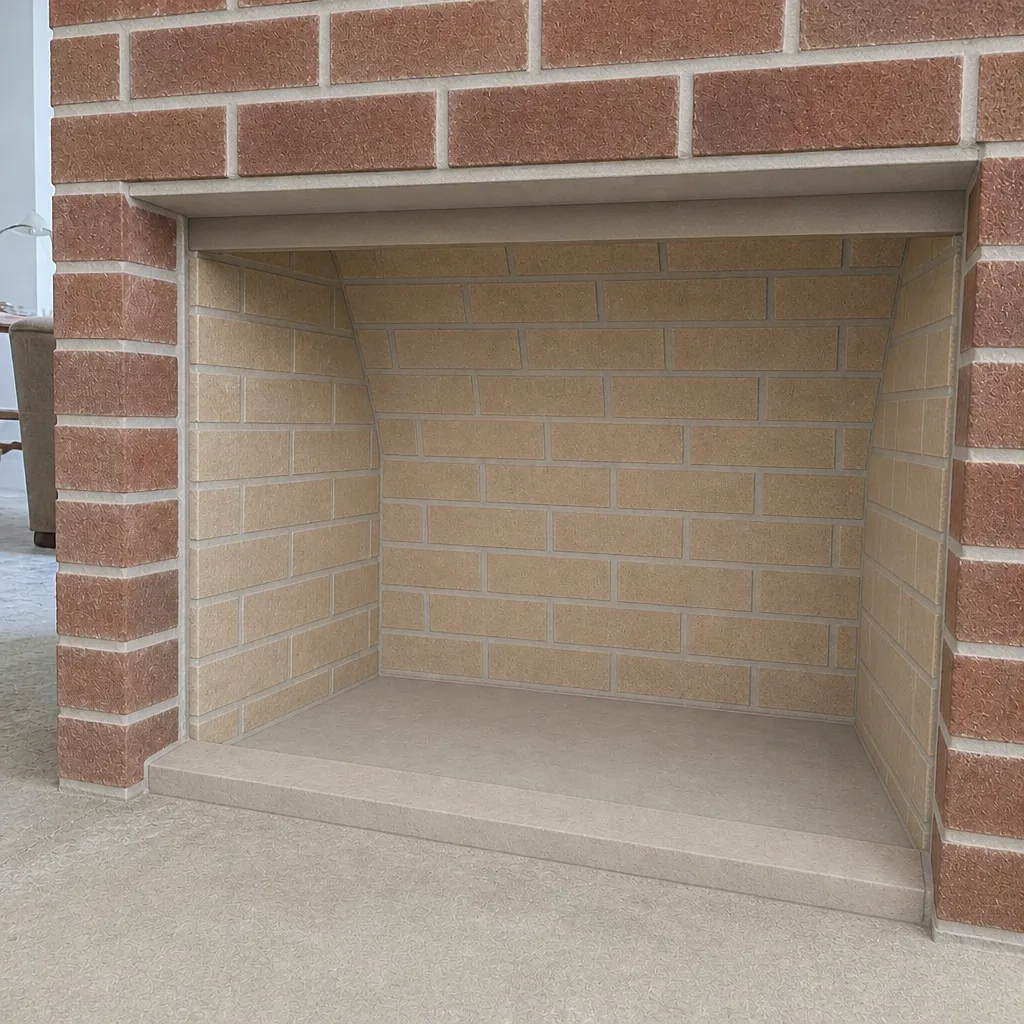 After
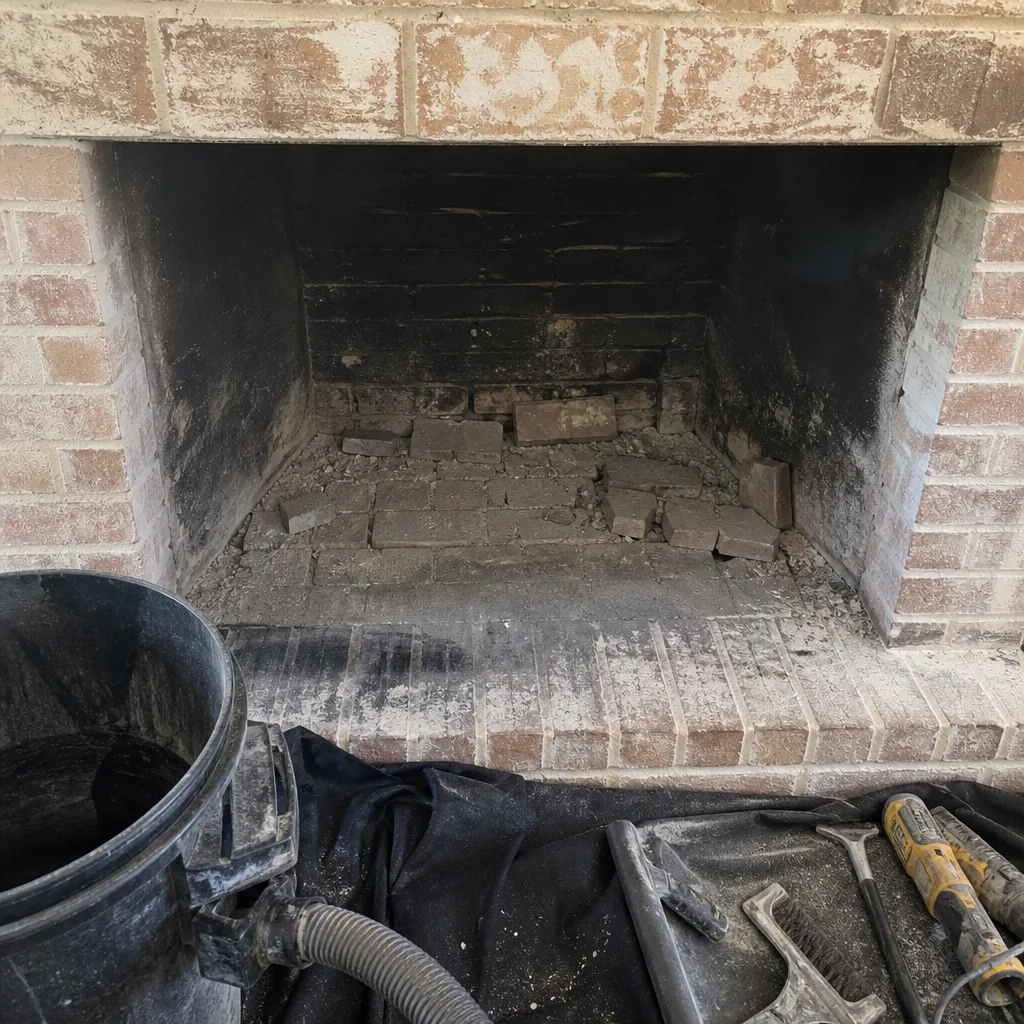 Before
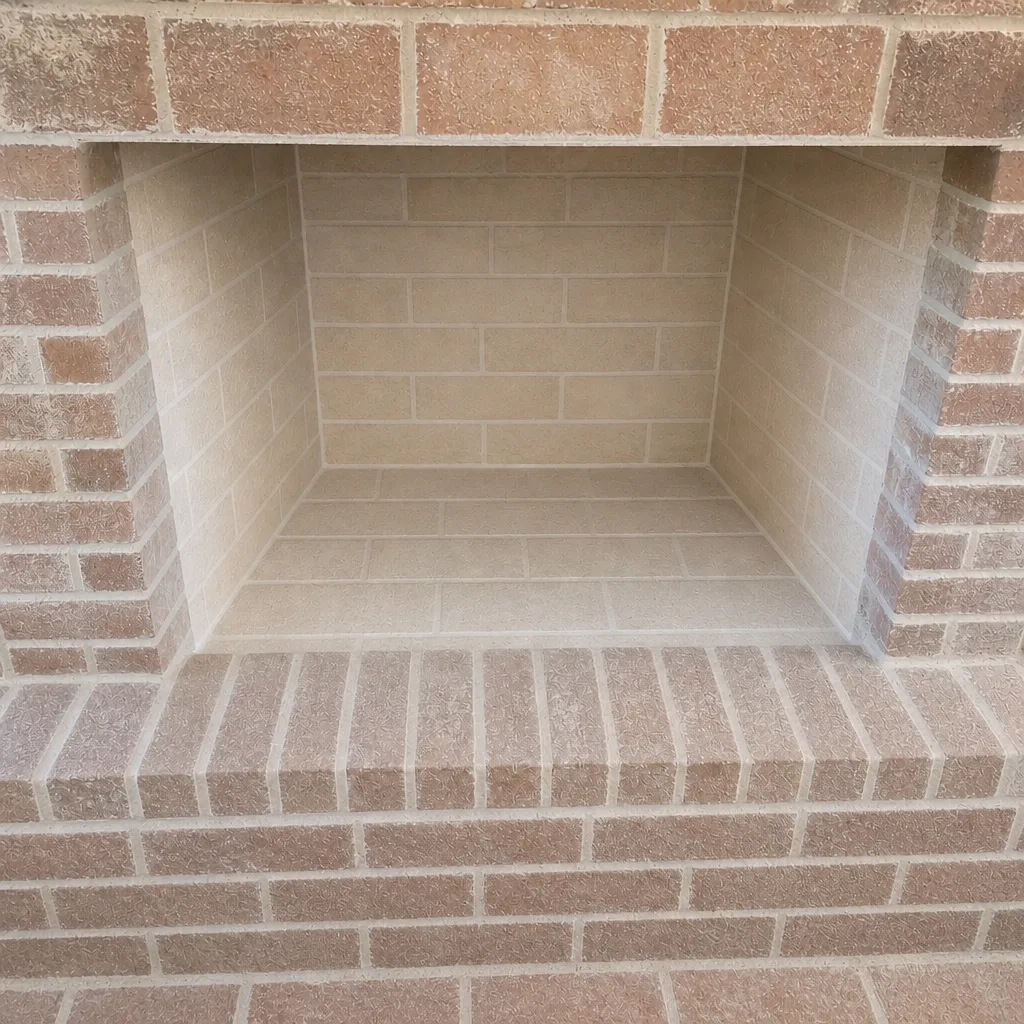 After
When to Call a Professional
Call us if you see or hear any of the following: smoke spilling into the room from the fireplace, a damper that won’t move freely, cracked or missing firebrick, a flue liner with visible cracks or gaps, spalling brick on the outside of the chimney, animal sounds or debris in the flue, or a gas appliance vent that hasn’t been checked. Any of these is a reason to stop using the fireplace until a sweep has inspected it. If you’re unsure whether something is a problem, ask – a quick conversation can save you a season of worry. Starling Chimney Sweep offers free estimates in Corpus Christi – call (888) 869-3130. We answer 24/7, fast dispatch from 7am to 7pm, Sunday through Friday, and we’re closed Saturday. Our technicians have up to 9 years of experience, and every recommendation comes with the camera evidence to back it up.
Frequently Asked Questions
Once a year is the standard, and it holds up in Corpus Christi because of the humidity and debris more than the burning. Even a lightly used fireplace benefits from an annual inspection and sweep before heating season. If your flue has no cap or you’ve had birds nesting, have it checked sooner.
Yes. A rarely used chimney is not a safe chimney by default in this climate. Moisture, debris, and nesting don’t need fires to accumulate, and a low-use fireplace can still fail a safety inspection. An annual check is the cheapest way to know what’s going on.
In most Corpus Christi homes, backdraft is a pressure problem, not a blocked flue. Exhaust fans, the dryer, and a tightly sealed house can starve the fire of draft. Test it by cracking a window; if the smoke drafts correctly with the window open, it’s a pressure issue. If it doesn’t, have the flue inspected for a blockage.
Efflorescence is a white powder that wipes off and signals moisture on the surface. Spalling is the face of the brick flaking or popping off, which means water is getting inside the brick and the masonry is losing its outer layer. Spalling needs evaluation; efflorescence needs the water source found and controlled.
Don’t burn a fire and don’t reach into the flue. Active nesting should be removed by a sweep, and the sweep can check whether the nest has damaged the flue. The long-term fix is a chimney cap, which keeps birds, rain, and grit out.
It depends on the camera inspection. If the flue has hairline cracks but the structure is sound, HeatShield resurfacing can seal them and restore a smooth interior surface. If the liner is cracked, shifting, or undersized, a DuraFlex reline is the safe fix. We show you the photos before recommending either.
The Bottom Line
Chimney problems in Corpus Christi often start with humidity, debris, and long dormancy rather than heavy creosote. Watch for stuck dampers, spalling brick, animal noises, and smoke that spills into the room, and know which signs you can safely check yourself and which need a sweep. Don’t paint or seal a damp chimney, don’t burn out nests, and don’t relight after backdraft without finding the cause. When in doubt, book a camera inspection and ask to see the photos – nothing should be recommended that isn’t backed by evidence, and some issues can safely wait a season. Starling Chimney Sweep handles chimney sweeping, chimney repair, and dryer vent cleaning under one roof, so the whole safety picture gets looked at together. We use professional-grade materials from DuraFlex, HeatShield, Gelco, Olympia Chimney, Famco, and Copperfield so repairs are built to last. If you’re a homeowner in Corpus Christi looking for a focused specialist, see what Starling Chimney Sweep can do for your chimney – and check our Corpus Christi service page for how we work locally.
Call (888) 869-3130 for a free estimate. We answer 24/7, fast dispatch from 7am to 7pm, Sunday through Friday, and we’re closed Saturday. Every visit starts with a camera inspection and a photo report you can see for yourself, and the written estimate sets the price.
Written by the team at Starling Chimney Sweep.