
Last updated November 15, 2026
 Sweep & inspection
 Caps & crowns
 Flue relining
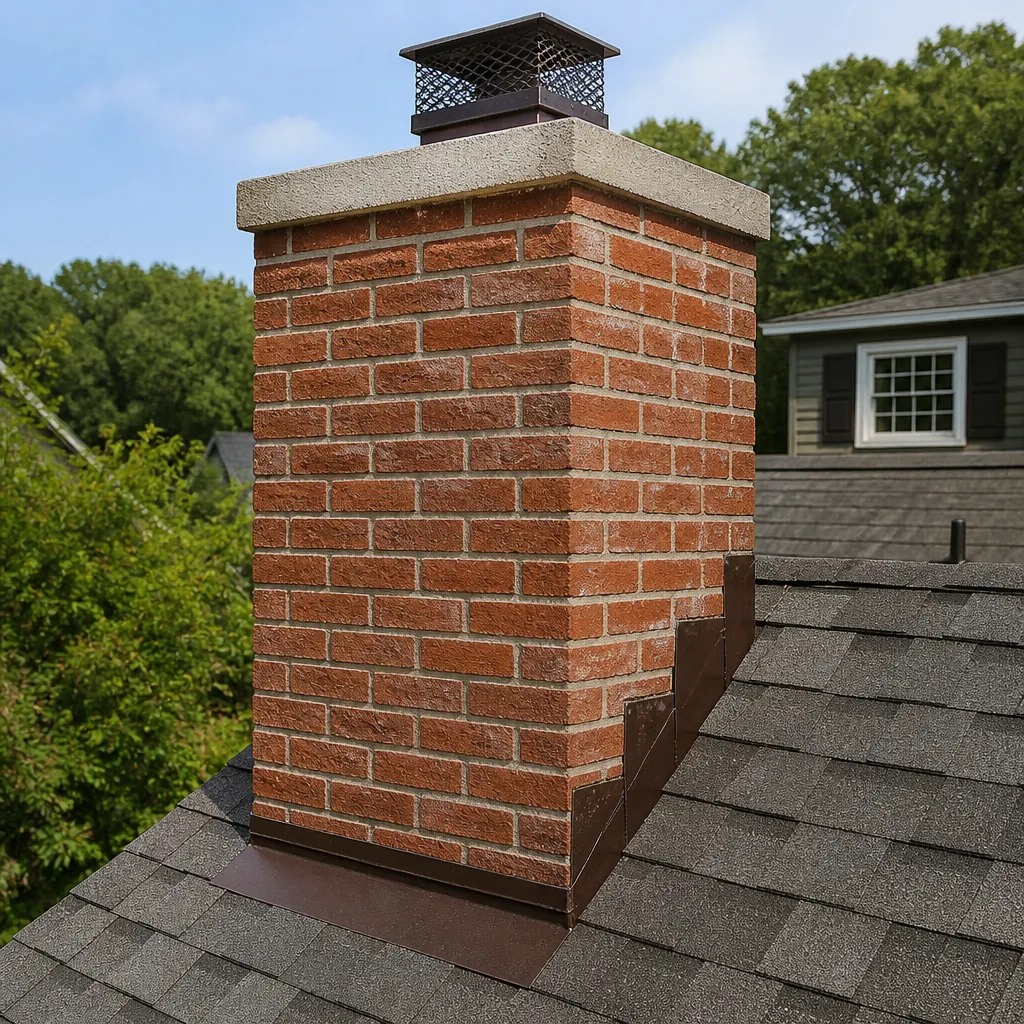 Masonry repair
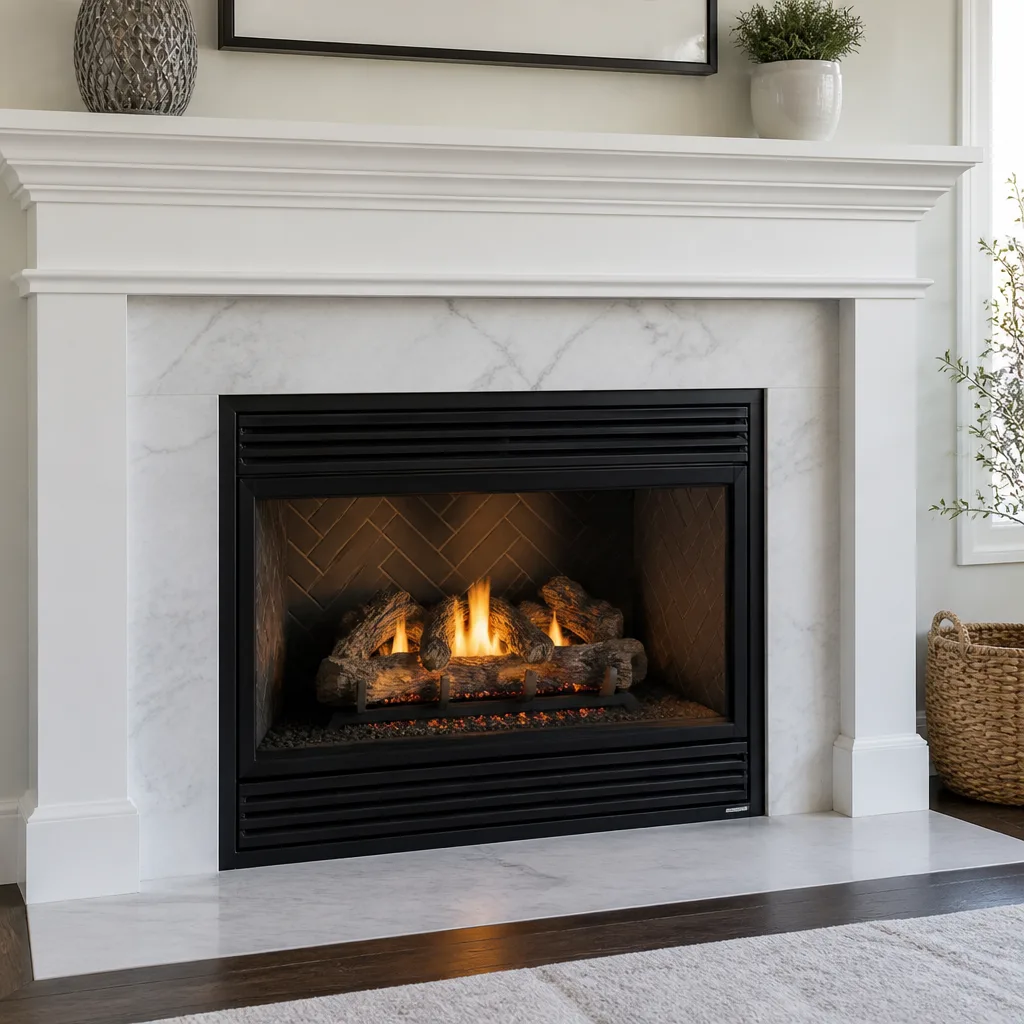 Gas fireplace service
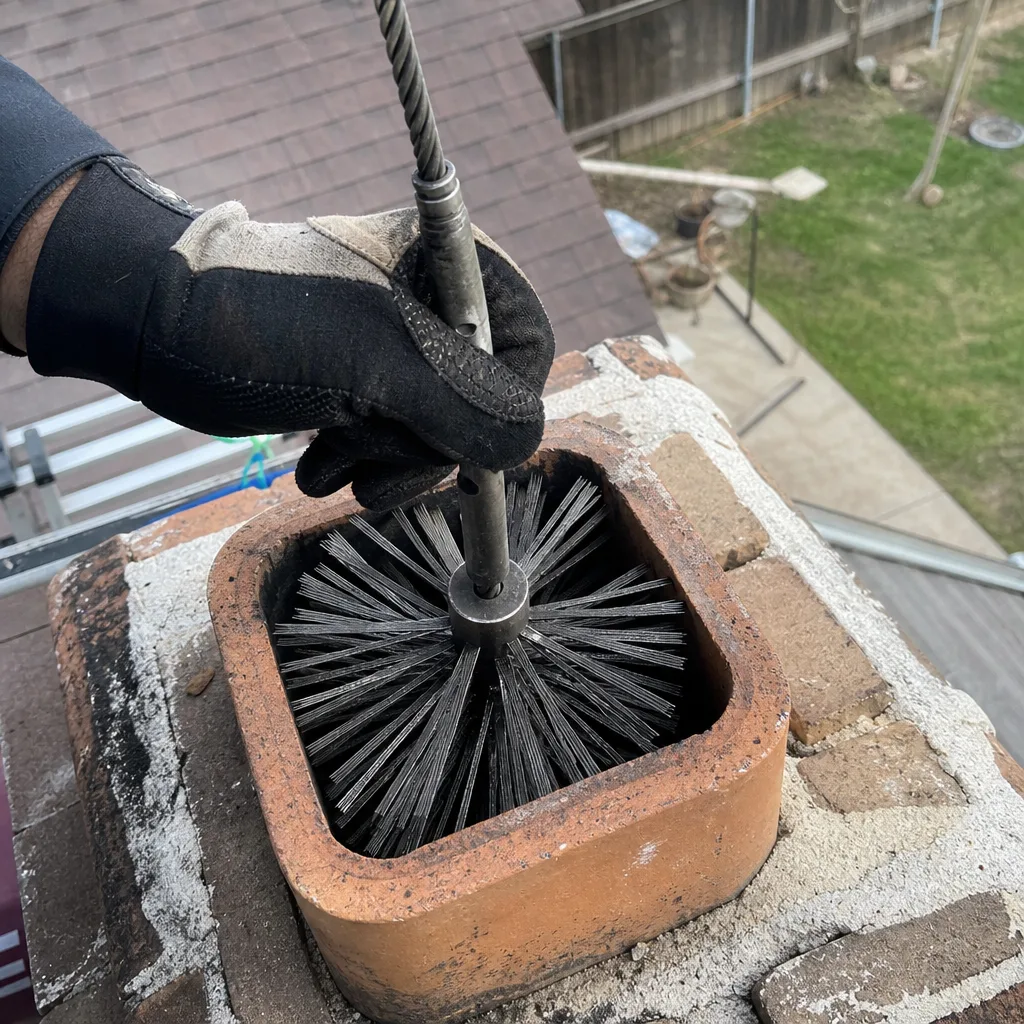
Level 1 sweep and inspection to the NFPA 211 annual standard - flue, crown, cap, and flashing checked and photographed
Chimney sweep logs do not sweep chimneys. They loosen some creosote - which then falls where a brush and vacuum still have to collect it.
Choosing the Right Chimney Cleaning Brand: A Buyer’s Guide for Corpus Christi
If a contractor can’t tell you the brand name of the liner system they’re installing, that’s the whole answer. Liner systems vary widely in wall thickness, how the seams are made, what warranty backs them, and how well they hold up when a warm, humid climate keeps a flue working year-round. Yet most chimney ads in Corpus Christi talk about “quality work” and never name a single product. That’s upside down. This guide teaches you the materials worth asking for by name, how to read a bid like a tradesperson, and why product specification is the clearest sign of who actually knows chimneys in Corpus Christi and who is guessing.
Quick Answer
The right chimney cleaning brand is one that names the materials it installs, explains why each was chosen, and gives you a written diagnosis before recommending any repair. Ask specifically which stainless steel alloy the liner uses, whether a resurfacing product like HeatShield fits your flue, what the cap is made of, and what sealer goes on the crown. A contractor who can answer those four questions clearly is worth far more than the cheapest bid.
Styles & brands we work with
- Sweep & inspection
- Caps & crowns
- Flue relining
- Masonry repair
- Gas fireplace service
Table of Contents
- Why chimney brands matter in Corpus Christi
- Stainless steel liner alloys: 316L vs. 304
- HeatShield resurfacing vs. full relining
- Chimney cap materials and lifespan
- Crown coat sealers: brush-on vs. professional elastomeric
- How to read a chimney bid for product specification
- The professional-grade brands worth asking about
Why Chimney Brands Matter in Corpus Christi
You don’t have icicles hanging off your chimney, and snow never sits on the crown. That’s exactly why the material conversation here is different from the one in a national buying guide. In Corpus Christi, a chimney spends most of its life in warm, humid air. The flue isn’t just fighting the products of combustion – it’s sitting in a climate where condensation and damp air quietly work on metal surfaces all year. Gulf humidity is a factor even before you add rain.
A flue liner in a mild, humid climate needs three things: enough wall thickness that it doesn’t corrode through, a stainless alloy that can take humidity without scaling, and a properly sealed top so water isn’t draining into the flue from above. A cheap liner with thin walls and no name on the box will pass a quick glance and then quietly underperform for years. You won’t see it happen. You’ll just wonder why the metal looks tired sooner than you expected.
This is why we work with a specific, named portfolio of professional-grade products – DuraFlex liner systems, HeatShield resurfacing, Gelco and Olympia Chimney components, Famco venting, and Copperfield supplies. These are brands the trade relies on because their product data is honest. When we specify a DuraFlex system for a homeowner in Corpus Christi, we can tell them exactly what the wall thickness is, what the alloy is, and what warranty backs it. There’s no mystery to hide behind. That matters more than any slogan on a truck.
The homeowner’s takeaway is simple: when a quote says “standard stainless liner,” it hasn’t told you anything. When it says “DuraFlex 316L, fully insulated,” it’s shown its work.
Stainless Steel Liner Alloys: 316L vs. 304
The most common stainless steel in chimney liners is 304, and it’s fine for many dry, wood-burning flues. But 316L outperforms it in humid environments and in flues that see more moisture, and for Corpus Christi installations we tend to favor it. The “L” stands for low-carbon, which matters because it makes the metal more resistant to the corrosion that starts at weld seams. The molybdenum in 316L is what gives it extra resistance to the chloride-bearing moisture that hangs around near warm, humid air.
Here is how to ask about it:
- Ask the alloy by name. “Is this 304 or 316L?” is a fair question and a knowledgeable technician will answer instantly.
- Ask the wall thickness. The industry has standard gauges; a reputable contractor can tell you in thousandths of an inch or in gauge number, and explain why they chose it.
- Ask whether the liner will be insulated. Insulation keeps the flue warmer, which reduces condensation on the liner itself – a real benefit in humid climates.
- Ask about the warranty in writing. Which conditions does it cover, and for how long?
Our technicians have up to 9 years of experience working with liner systems, and one thing hasn’t changed: the contractors who name the alloy are the ones who take the work seriously. If a bidder can’t tell you 304 from 316L, that’s your signal to look elsewhere.
If you want to understand what a full chimney sweep actually involves before a liner is even discussed, start there. The sweep is the diagnosis. The liner is only the repair.
HeatShield Resurfacing vs. Full Relining
A full relining is not the only fix for a deteriorating flue. HeatShield resurfacing seals hairline cracks and rebuilds a worn interior surface from the inside, which keeps the original flue structure in place. The right answer depends entirely on the condition of the flue – which is why we open with camera inspection and let the image tell the story. If the liner is structurally compromised or the flue cross-section is failing, resurfacing won’t hold. If it’s a matter of surface cracks and a rough interior, resurfacing can extend the life of the chimney for years.
Here is the honest comparison:
- HeatShield resurfacing is appropriate when the original flue is intact and the issue is surface degradation. It’s less invasive and usually less costly than a full reline.
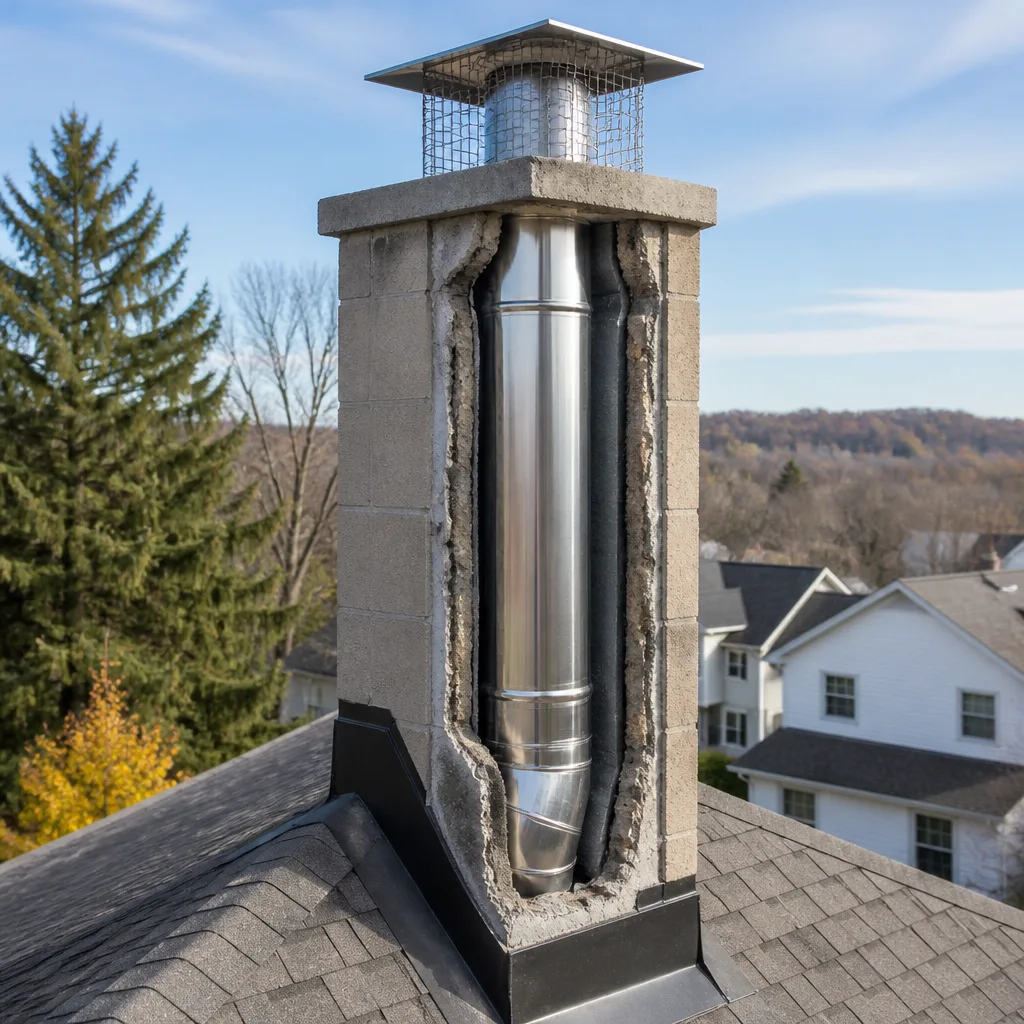
- Full relining with a stainless system is appropriate when the flue is cracked through, misaligned, or missing entirely, or when a newer appliance (like a gas insert) must be vented correctly.
- Resurfacing on a compromised flue wastes money. A reputable contractor will not recommend it there.
In a warm, humid climate, a flue interior can degrade slowly and quietly. That’s another reason we lean hard on camera inspection: we look first, then recommend. If HeatShield fits, we say so. If it doesn’t, we say that too. Either way, you get the photo report in your hands.
We see the pattern over and over in Corpus Christi: a homeowner gets a bid for “full relining” with no photo evidence and no explanation, and they have no way to tell whether it’s needed. You should always be able to see what the technician saw. That’s not a slogan – it’s the difference between a diagnosis and a sales pitch.
Chimney Cap Materials and Lifespan
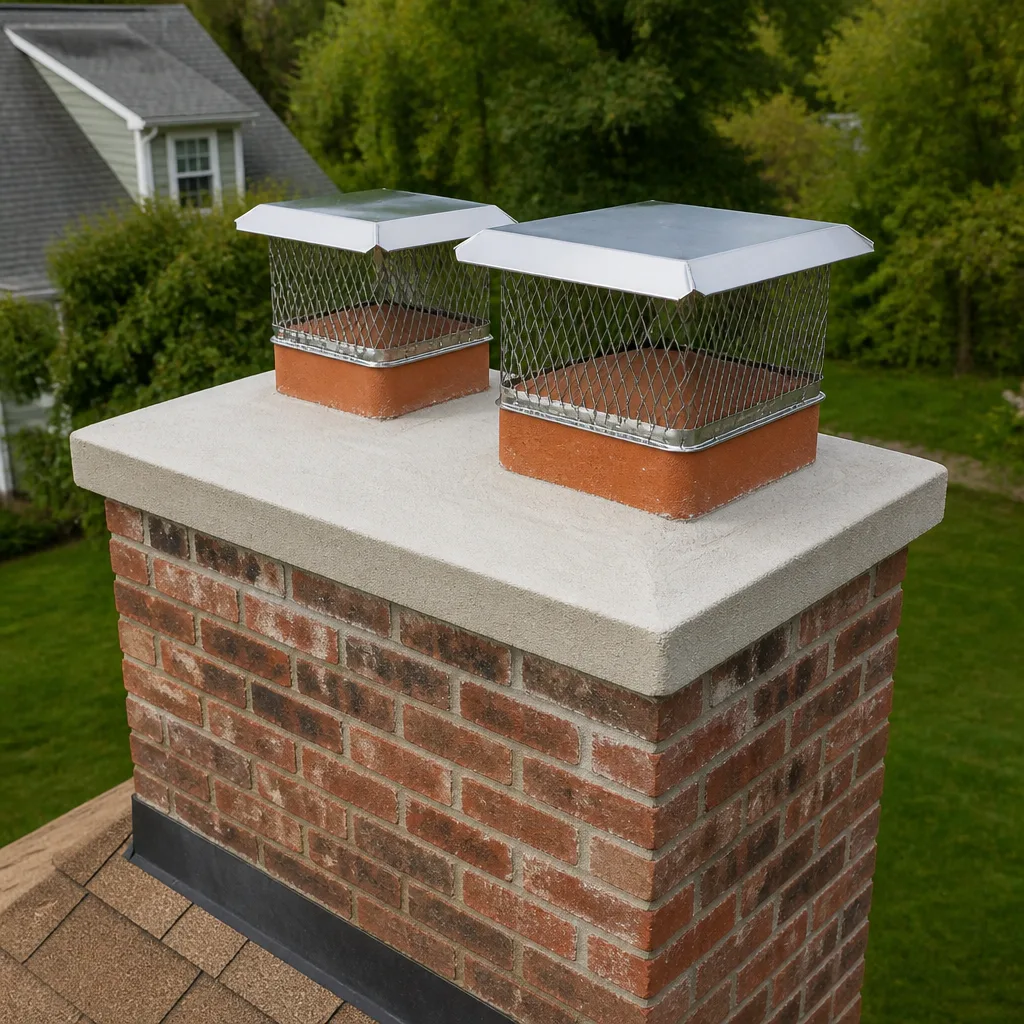
The chimney cap is the roof over your flue. It keeps rain, birds, and debris out – starlings are among the most common birds to nest in an unprotected flue, which is one reason we pay attention to caps. The cap material determines how long it will do that job in a humid, warm environment where rain is common and the sun works the metal year-round.
Realistic expectations:
- Galvanized steel. The budget option. Under Corpus Christi’s humidity and seasonal rain, expect it to be the first element to show rust. It’s acceptable as a short-term solution; not what we’d recommend for a long-term install.
- Stainless steel. The practical default for most homeowners. Available in the same alloy family as liner systems (ask which one), and it holds up well in a humid climate. This is what we generally specify.
- Copper. The premium option. It doesn’t rust, and it develops a natural patina over years. It’s chosen as much for appearance as durability.
When you’re comparing bids, a bid that names the cap material is more informative than one that quotes “standard cap.” And a cap that doesn’t fit the flue properly – wrong size, wrong mesh, wrong mounting – is worse than no cap at all. Ask about the fit as well as the material.
Every chimney sweep we perform on a Corpus Christi home includes a look at the cap, the crown, and the flashing. Those three elements are where water enters, and water damage is what shortens the life of any cap.
Crown Coat Sealers: Brush-On vs. Professional Elastomeric
The crown is the concrete cap on top of the chimney, sloping away from the flue to shed water. Small cracks in a crown are entirely normal, and they’re the doorway through which water gets into the masonry below. A brush-on consumer sealer will fill the cracks for a season or two – and then need doing again. A professionally applied elastomeric sealer is thick, flexible, and formulated to move with the concrete through expansion and contraction.
Why that difference matters more in Corpus Christi: a crown sits in warm, humid air most of the year. Concrete that stays damp on top of the day/night temperature swing is a crown that will crack again faster than a crown in a dry, cold climate. A professional elastomeric coat is a repair, not a touch-up, and it buys real time before the next full crown repair.
Ask your contractor:
- Is the sealer elastomeric or a standard brush-on product?
- Is the crown being cleaned and prepped before any sealer goes on? Sealer over dirt doesn’t bond.
- Are cracks being filled first, or just coated over?
We use Copperfield products for the crown work because they’re formulated for chimney crowns and masonry, not repackaged roofing sealant. If a bidder won’t tell you the name of the product going on the crown, that’s worth a follow-up question.
How to Read a Chimney Bid for Product Specification
You can compare three chimney bids in about ten minutes if you know what to look for. A trustworthy bid names its materials, states its diagnosis, and quotes a price per job – not “starting at.” A vague bid is a warning, even if it’s the cheapest one on the table.
Read any bid against this checklist:
- Diagnosis first. Did the contractor describe what they found (photo or camera report), or just tell you what they’ll install? Diagnosis comes first.
- Named materials. Look for product names – DuraFlex, HeatShield, Gelco, Olympia Chimney, Famco, Copperfield. A bid that says “standard system” hasn’t told you anything.
- Alloy and wall thickness. If the bid includes a liner, it should say which alloy and what the wall thickness is.
- Scope in writing. What is included – cap? crown work? insulation? What is not included?
- Warranty terms. Whose warranty, on what part, for how long?
- One price. Is the price flat and per job, or “starting from”?
We give a flat-price estimate before any work is booked and include the camera inspection and photo report in the price. That’s not a sales line – it’s how a bid is supposed to look. Our Starling Chimney Sweep process is built around it, because we’ve seen the confusion that comes from bids nobody can compare.
The Professional-Grade Brands Worth Asking About
There’s no shortage of chimney products out there. The brands below are the ones we’ve settled on because their specification sheets are honest, their components fit together, and their warranties are worth something. You don’t have to use these exact brands – but if your contractor names any of them, take it as a good sign that they’re serious about material choice.
- DuraFlex. Liner systems. Ask which alloy your quote specifies.
- HeatShield. Flue resurfacing for the right diagnosis. Ask what the camera report shows.
- Olympia Chimney. Caps, liners, and venting components with clear data.
- Gelco. Crown and masonry sealers. Ask which product is going on your crown.
- Famco. Venting products for fireplace and appliance connections.
- Copperfield. Chimney supplies, including crown and masonry products built for the trade.
We also take dryer vent cleaning seriously as a material choice: lint fires are the kind of problem a homeowner never sees coming until it matters. The venting brands deserve the same scrutiny as the flue brands, and we treat them that way. Both are combustion-safety components, both live behind the wall, and both are worth getting right.
Common Mistakes to Avoid
- Hiring on price alone. The cheapest bid in Corpus Christi is usually the vague one. A bid that doesn’t name its materials gives you no way to compare what you’re actually getting.
- Accepting a liner quote without a camera inspection. You can’t verify a diagnosis you can’t see. Always ask for the photo report.
- Allowing a full reline when HeatShield would do. Resurfacing is cheaper and less invasive when the flue structure is intact – and it’s the right call in that case.
- Ignoring the crown. A cracked crown lets water into the masonry below. Skipping crown work undoes everything the liner is meant to protect.
- Choosing a galvanized cap for long-term use. In humid, warm conditions it will be the first thing to rust. Stainless is the practical default.
- Skipping dryer vent cleaning. It’s an easy item to forget, and it’s the one component of home ventilation where a clog presents real fire risk. Property managers in Corpus Christi should treat it as routine compliance, not a seasonal add-on.
- Choosing a jack-of-all-trades over a specialist. A chimney and venting specialist does this work every day. A general home-service franchise doing it as a side category usually doesn’t.
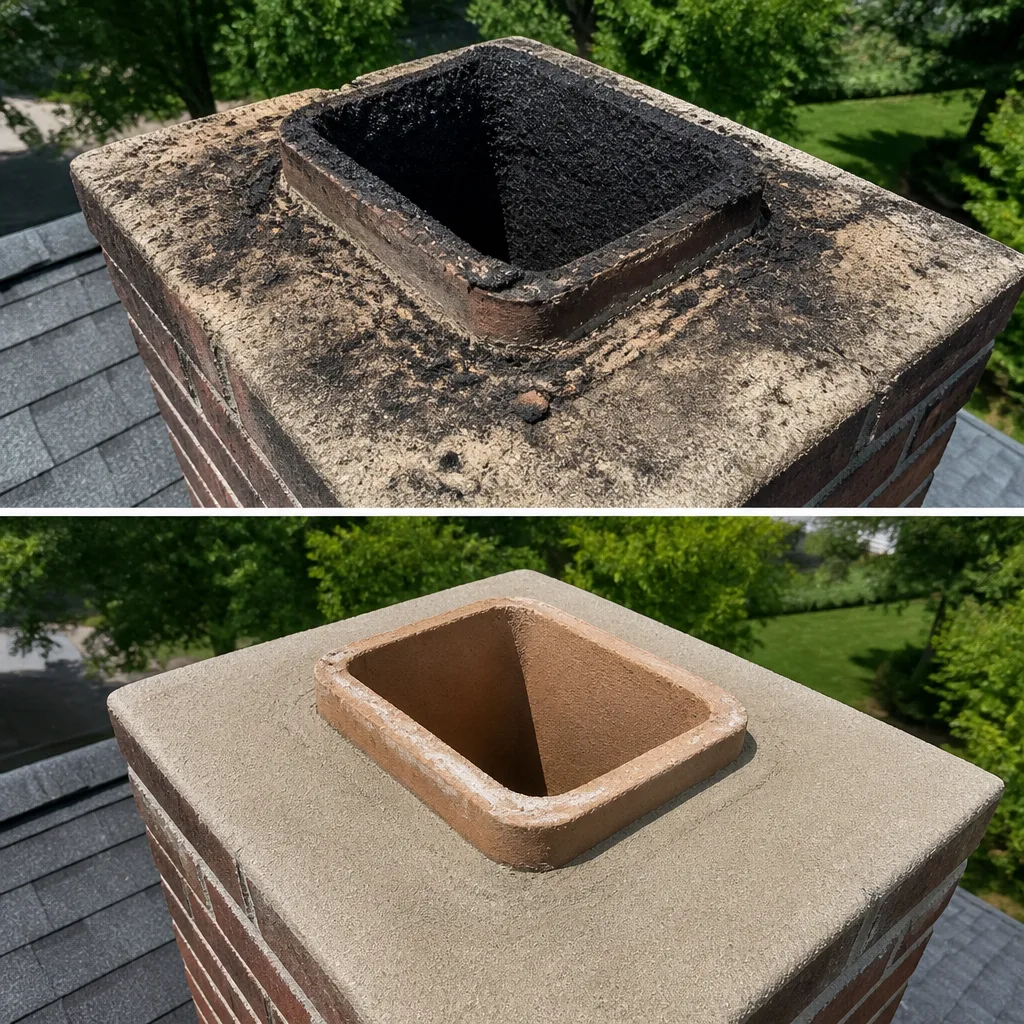
See the difference
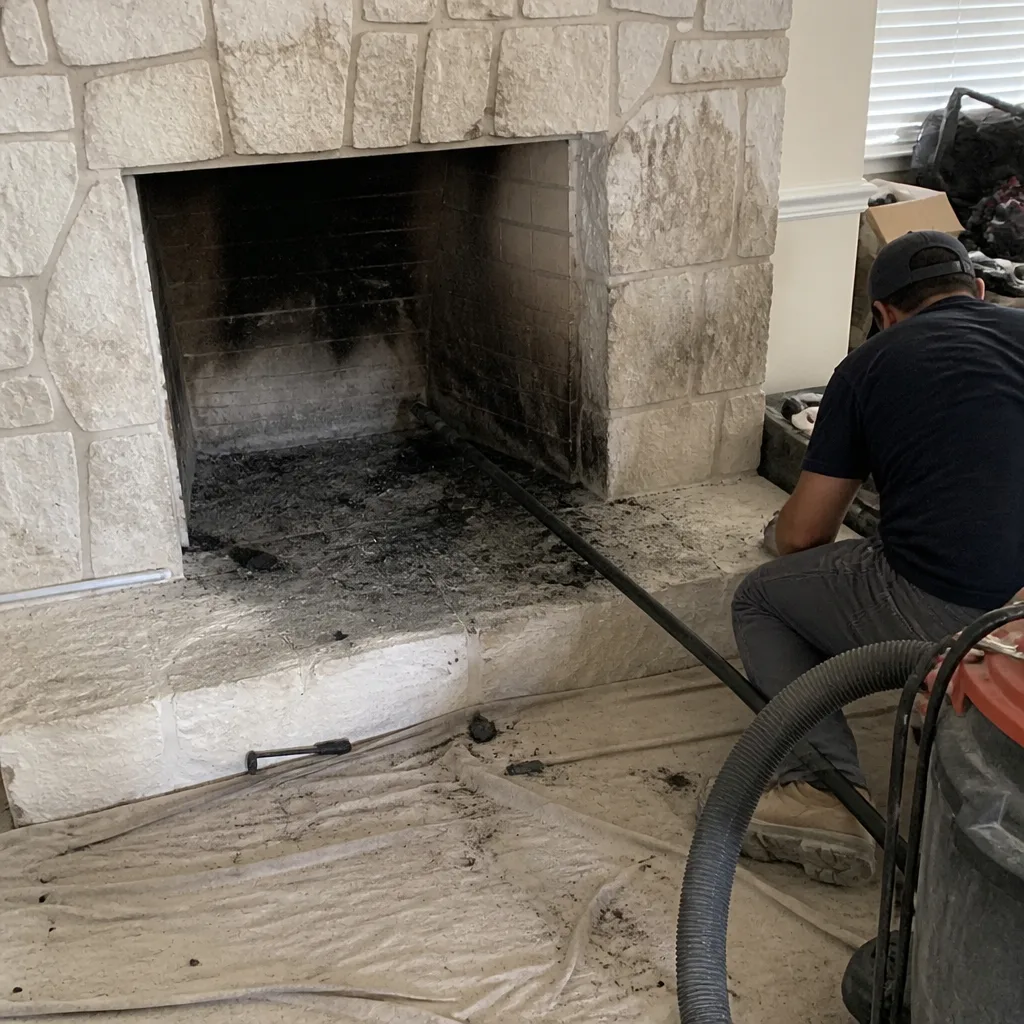 Before
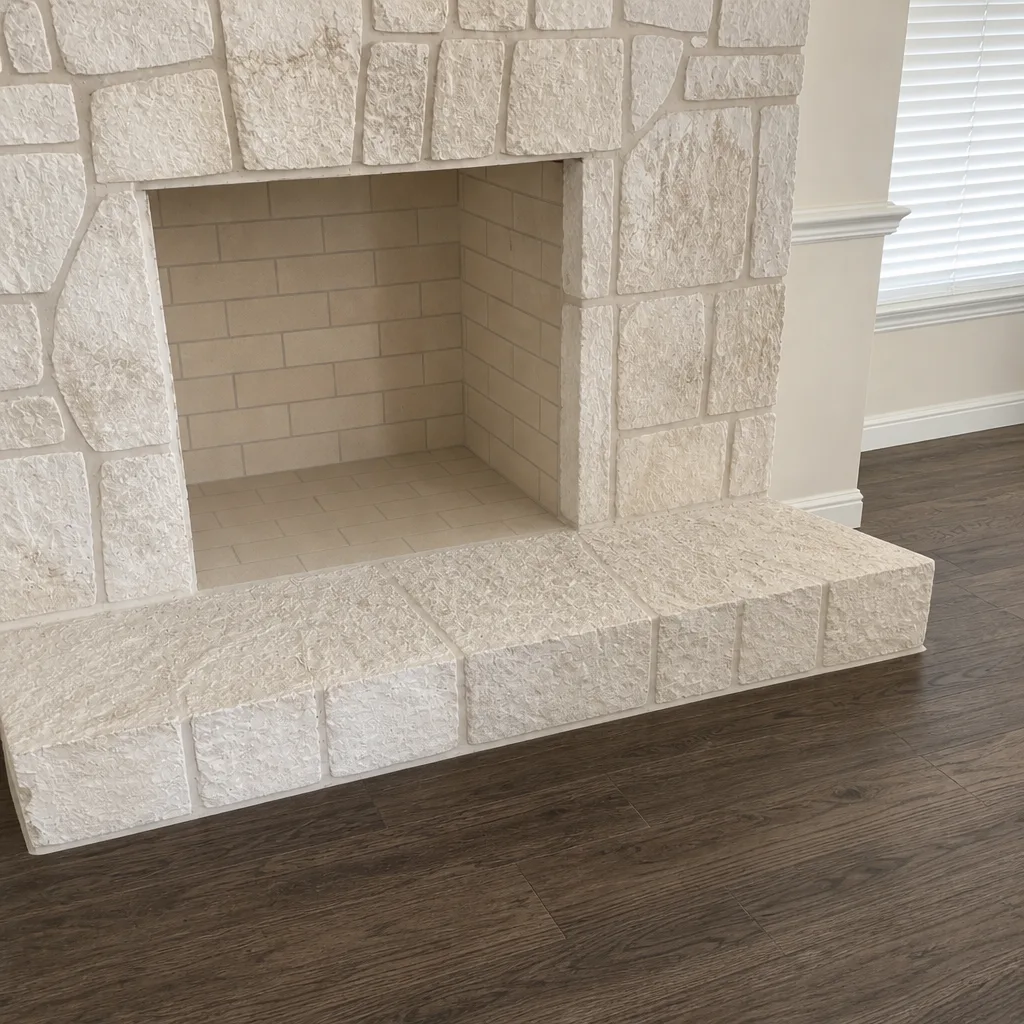 After
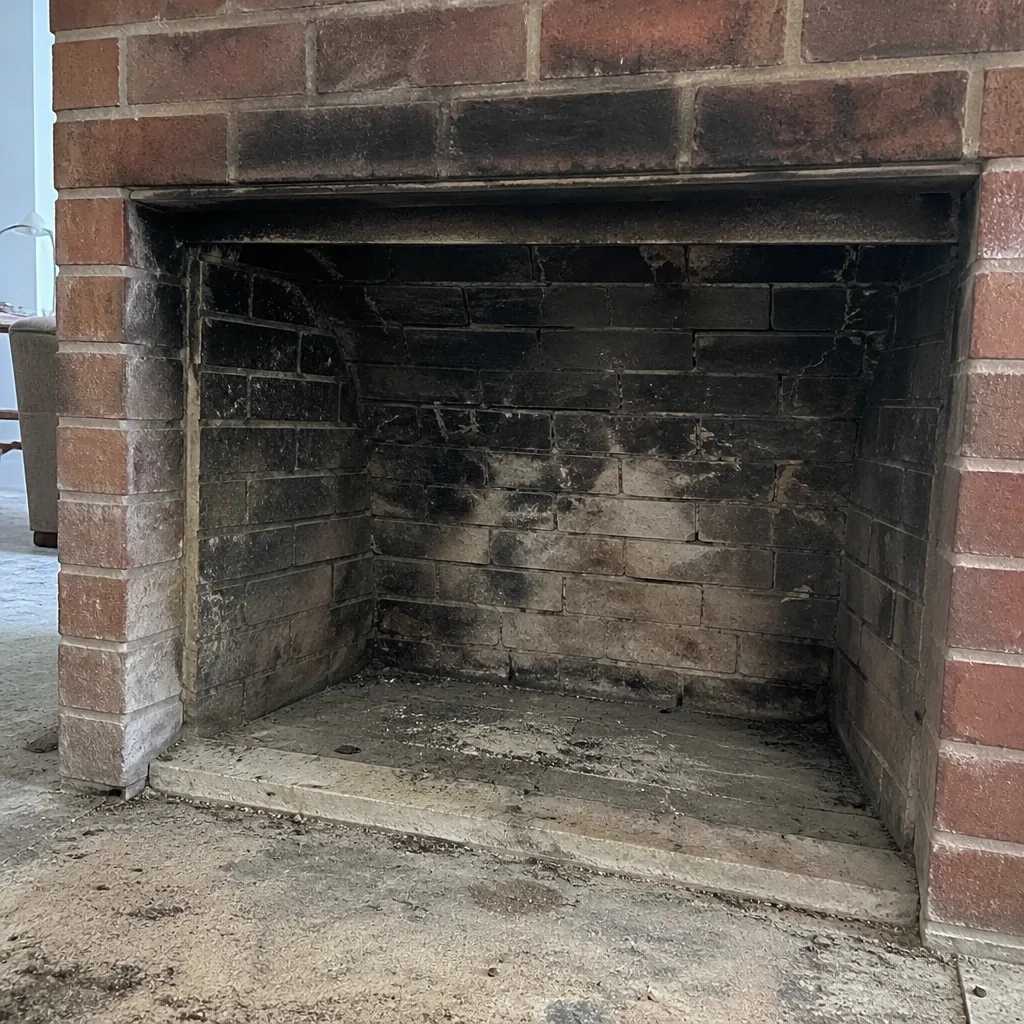 Before
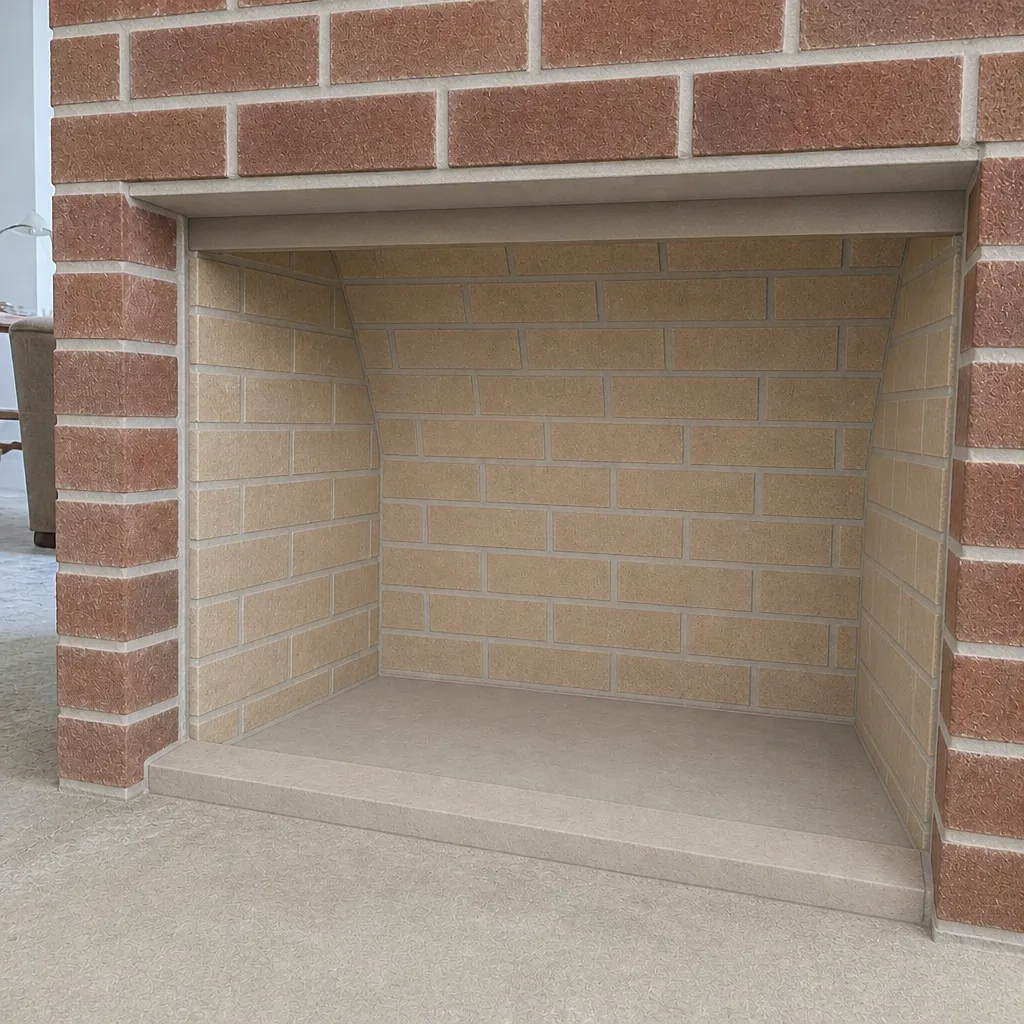 After
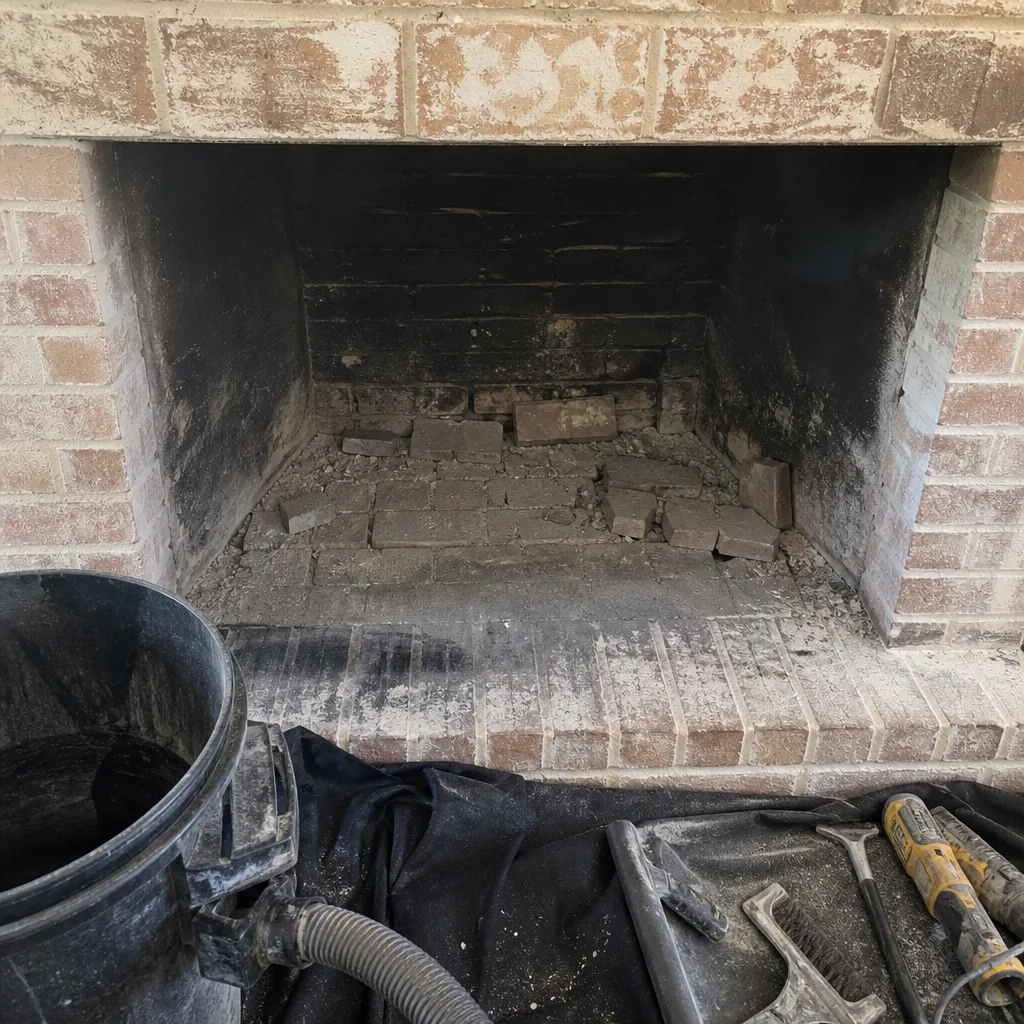 Before
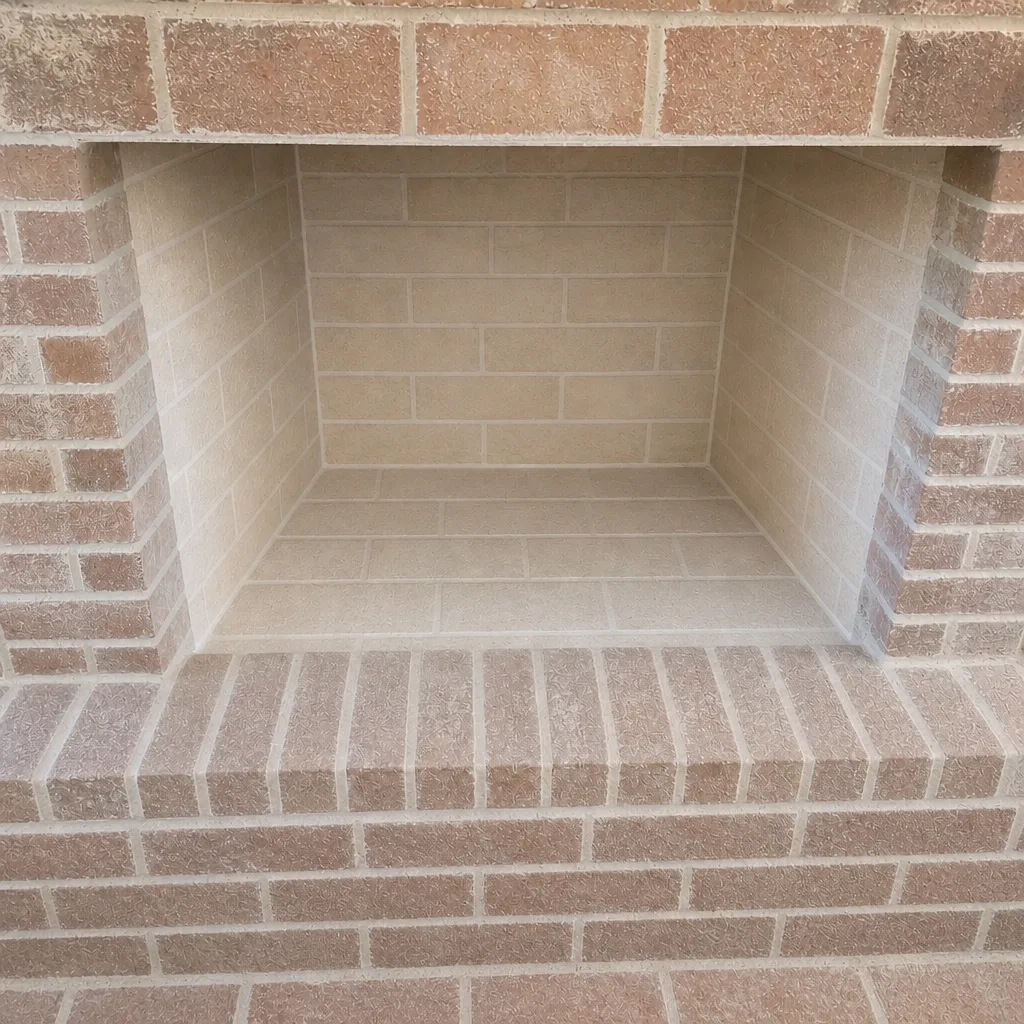 After
When to Call a Professional
Call a chimney specialist if you’ve moved into a Corpus Christi home with a fireplace you haven’t had inspected; if it’s been more than a heating season since your last sweep; if you see soot staining near the firebox, a cracked crown, a loose cap, or water stains in the attic below the chimney; if you’ve switched fuel type or installed a gas insert; if your dryer takes noticeably longer than it used to; or if a previous contractor handed you a big repair quote without a camera report. Those are the moments where a diagnosis you can see – and a written plan you can trust – saves real money. Starling Chimney Sweep offers free estimates in Corpus Christi. Call (888) 869-3130. We answer 24/7. Fast dispatch from 7am to 7pm, Sunday through Friday.
Frequently Asked Questions
Ask specifically for DuraFlex, HeatShield, Gelco, Olympia Chimney, Famco, or Copperfield – the products the chimney trade relies on. Naming any of them in a bid is a good sign that the contractor buys professional-grade materials rather than whatever’s cheapest at the supply house. If a quote says only “standard liner” or “standard cap,” follow up and ask which product line.
In a humid, warm climate, 316L generally outperforms 304 because it’s more resistant to the corrosion that starts at weld seams. For most chimney liner installations in Corpus Christi, we favor 316L. Ask your contractor which alloy they’re quoting, and if they can’t tell you, that’s a fair reason to get a second bid.
Yes. A camera inspection is the only way to see what’s actually happening inside the flue before recommending a repair. It’s also how you, the homeowner, can verify the diagnosis yourself instead of trusting a verbal description. Any reputable sweep – including ours – includes the camera inspection and photo report in the service price.
Most wood-burning fireplaces should be swept about once a year, or whenever creosote buildup reaches a point where a professional would flag it. If you burn regularly, an annual sweep before heating season is a sensible baseline. If your fireplace has sat unused for a season or more, sweep before you start using it again – dormant flues can harbor nests, debris, and unseen deterioration.
Because both are combustion-safety components of a home’s ventilation system, and a clogged dryer vent is a real fire risk. We offer dryer vent cleaning as a dedicated service, not an add-on, because property managers and homeowners in Corpus Christi need to treat it with the same seriousness as flue maintenance. If you haven’t had your dryer vent inspected in a while, it’s worth scheduling.
Look for three things: a camera report showing what was found, named materials in the written quote, and a flat per-job price instead of a range. If any of those are missing, ask for them before booking. We provide all three, and if the work can safely wait, we’ll tell you that too – a reputable contractor doesn’t need to scare anyone into signing.
The Bottom Line
The right chimney brand isn’t the loudest ad or the cheapest bid – it’s the one that names its materials, shows you the diagnosis, and explains why each part was chosen. In Corpus Christi, that means asking about the stainless alloy, whether HeatShield fits your flue, what the cap is made of, and what sealer goes on the crown. When a contractor can answer those four questions, you’ve found someone worth trusting with your chimney. If you’re ready to start, call (888) 869-3130 for a free estimate. You can also read more about our work across Corpus Christi. We answer 24/7. Fast dispatch from 7am to 7pm, Sunday through Friday.
Written by the team at Starling Chimney Sweep.