
Last updated November 15, 2026
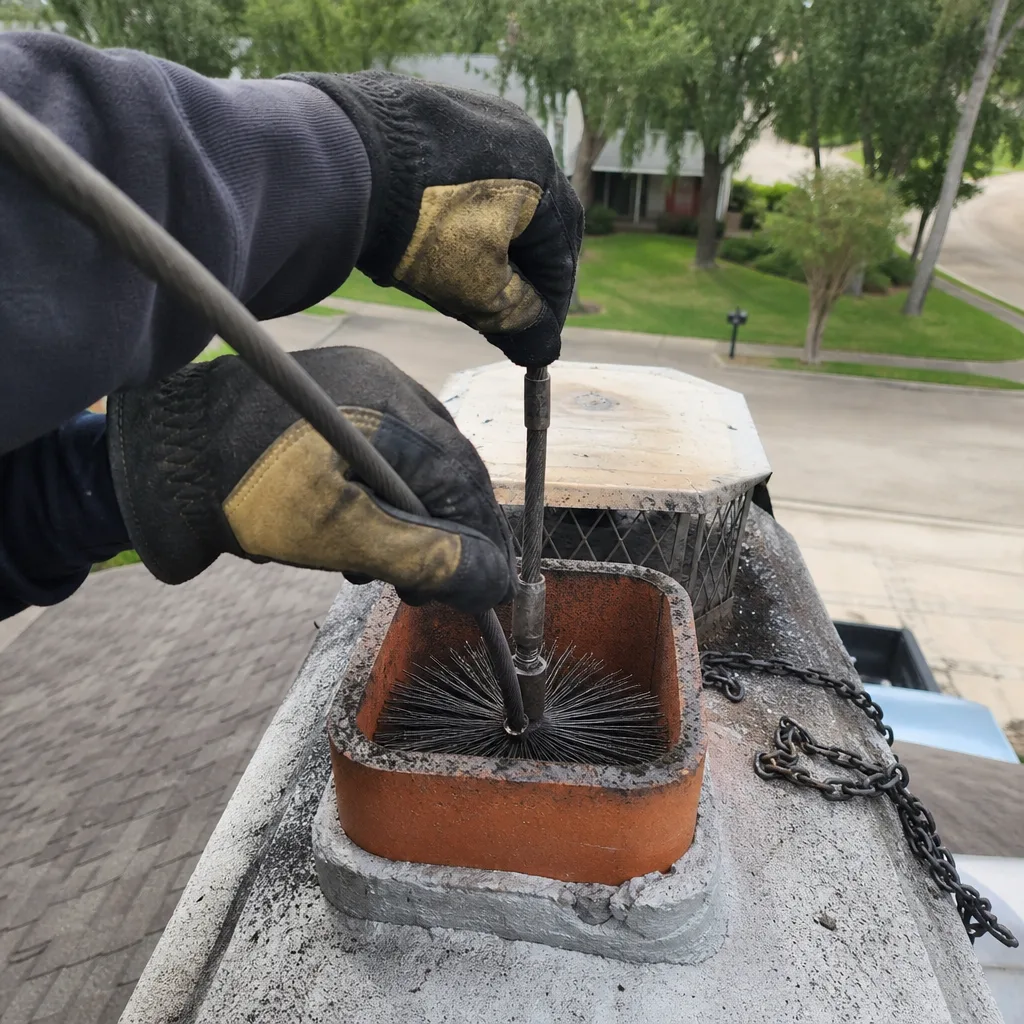
 Sweep & inspection
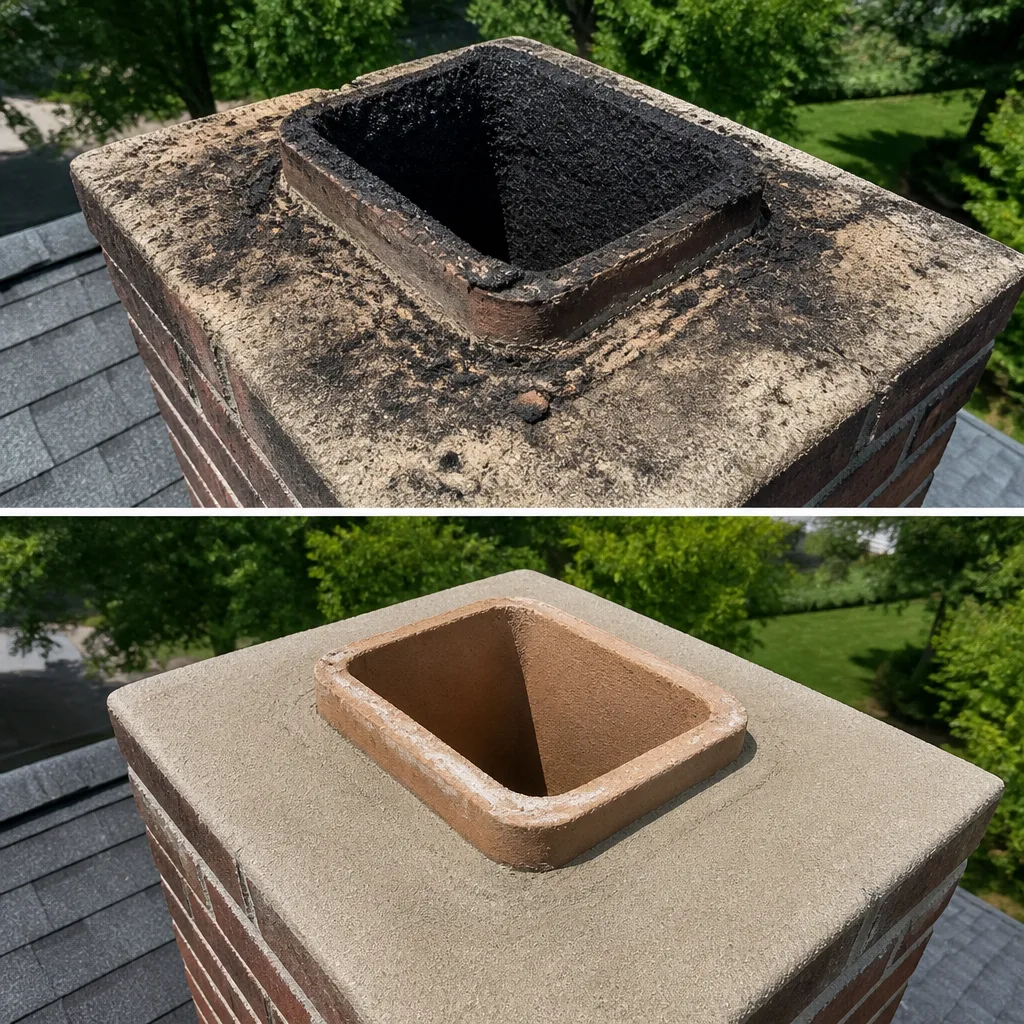
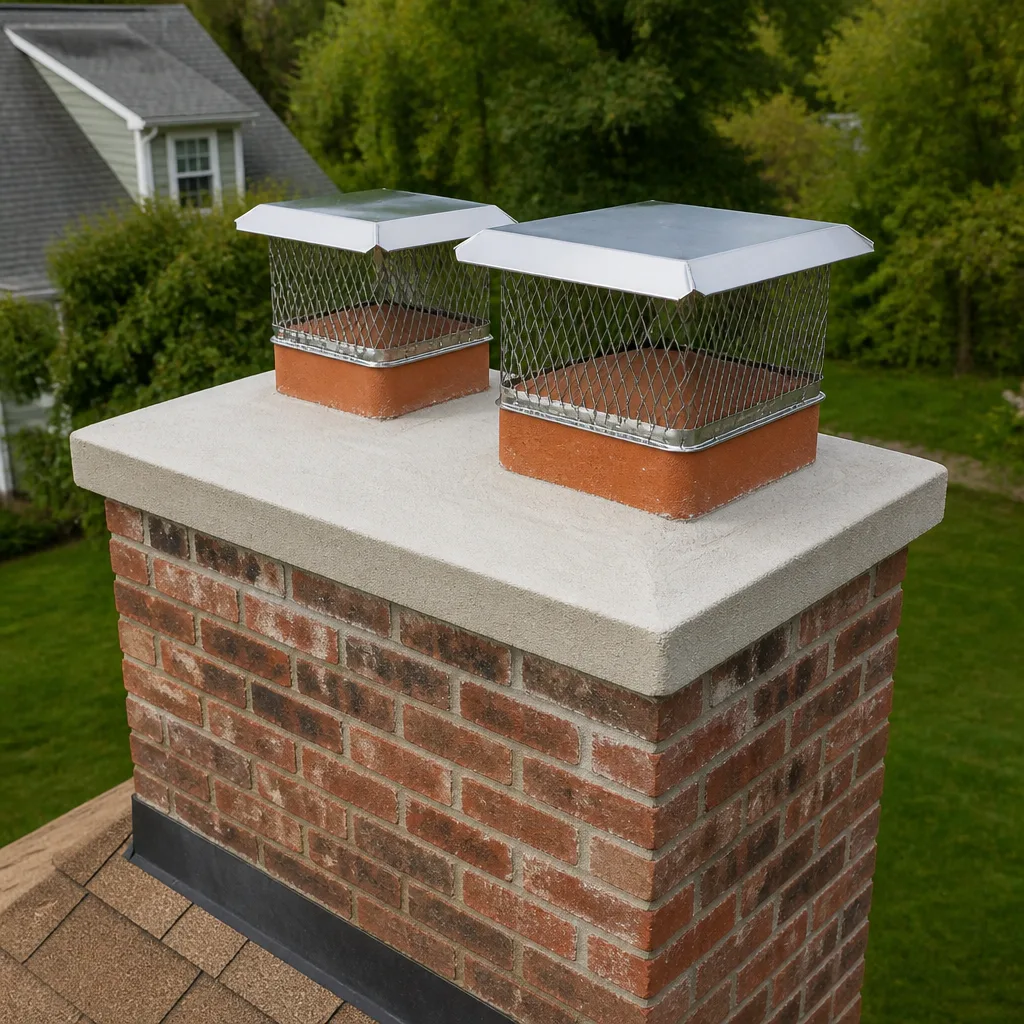 Caps & crowns
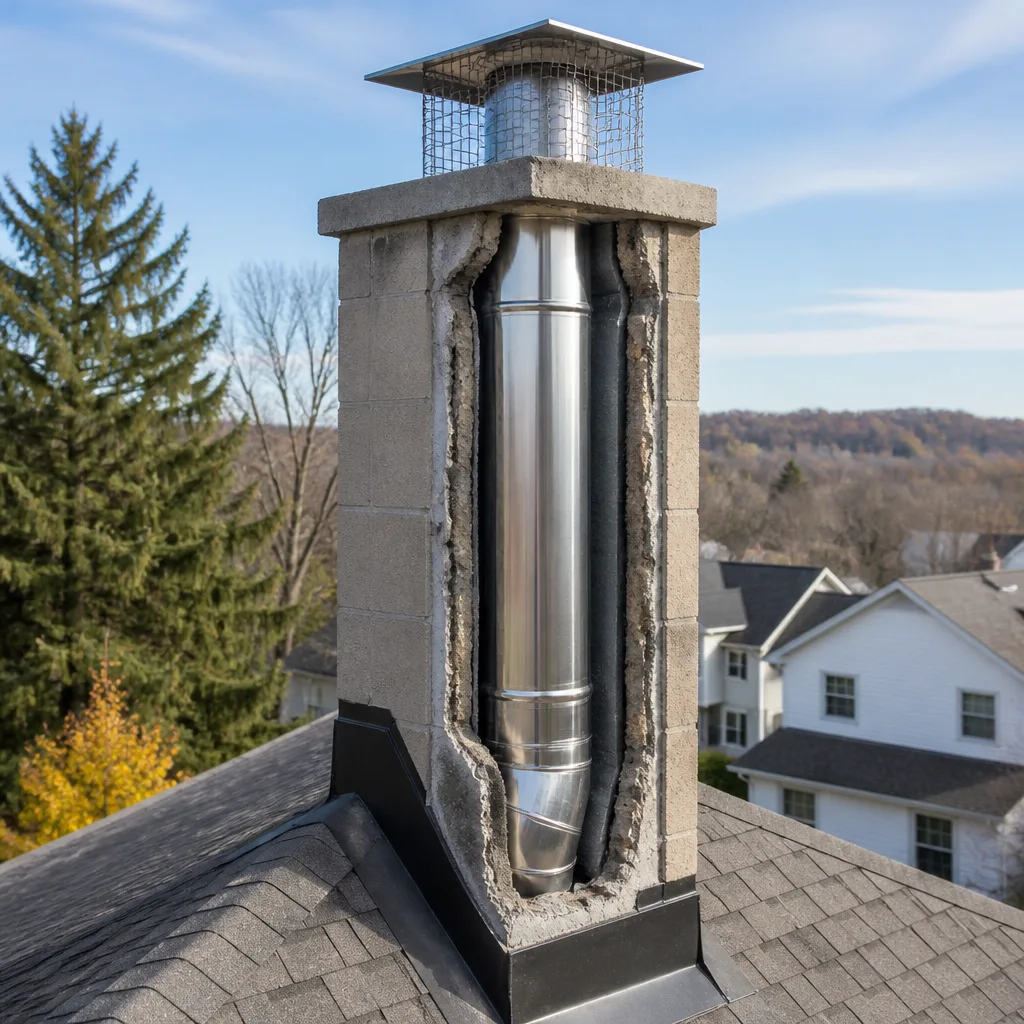 Flue relining
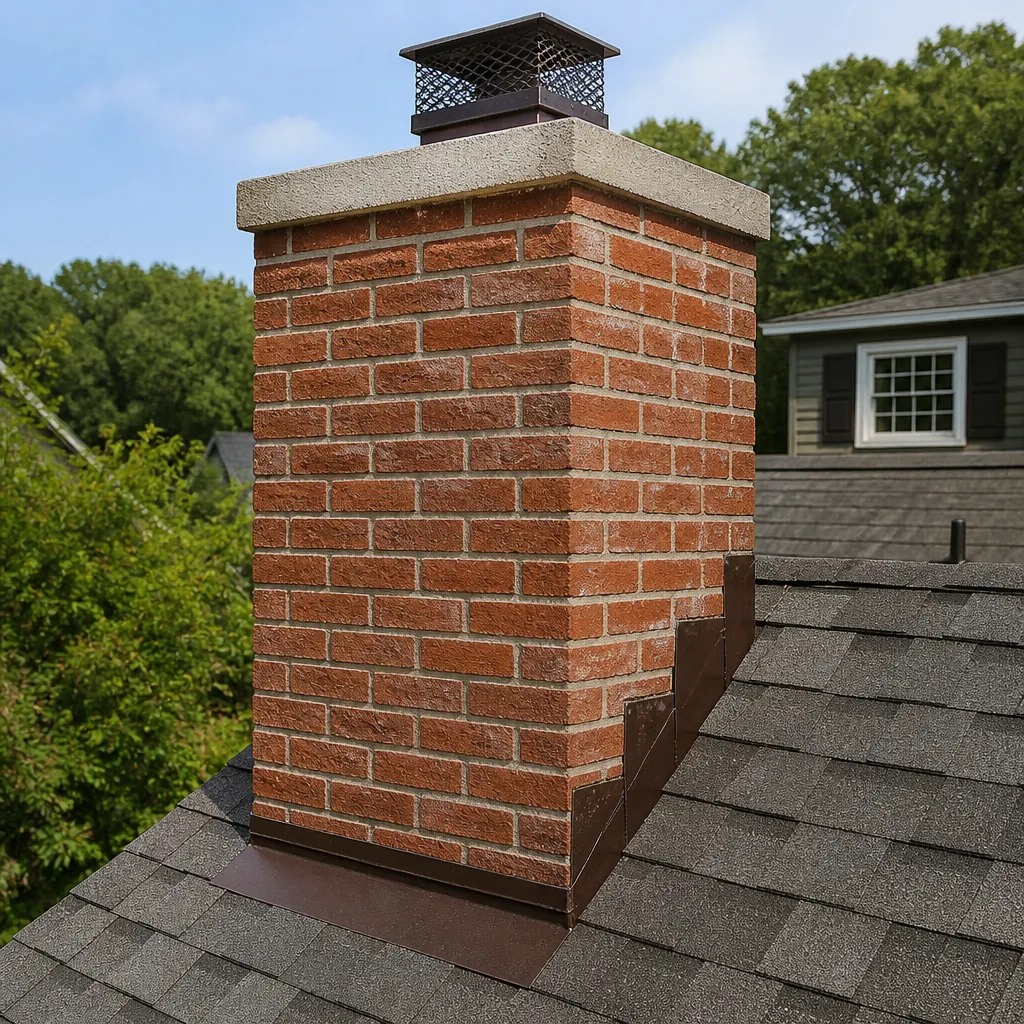 Masonry repair
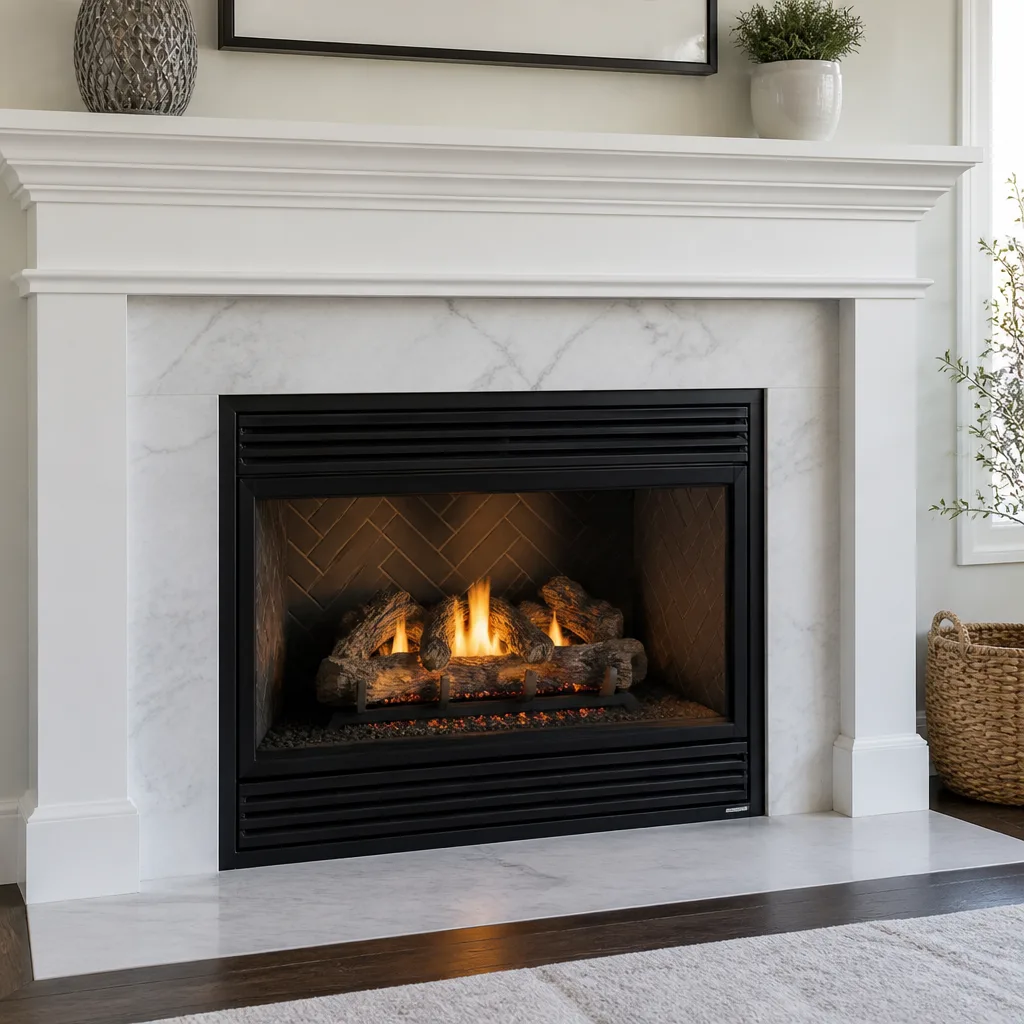 Gas fireplace service
Level 1 sweep and inspection to the NFPA 211 annual standard - flue, crown, cap, and flashing checked and photographed
Chimney sweep logs do not sweep chimneys. They loosen some creosote - which then falls where a brush and vacuum still have to collect it.
Chimney Cleaning Warning Signs: A Corpus Christi Homeowner’s Reference Guide
The white staining on your chimney exterior isn’t a cosmetic issue. It’s your masonry telling you it’s moving water from the inside out, and it was doing it long before you noticed. Most chimney warning-sign lists focus on what you smell or see during a fire. This guide covers a different set of signals, the ones that show up between burns and after long dormancy, the ones Corpus Christi homeowners tend to rationalize as normal. High humidity does hide a lot. It doesn’t fix anything. By the end, you’ll know which signs mean “book a sweep,” which mean “get this looked at now,” and which are genuinely fine to watch.
Quick Answer
The warning signs that most reliably point to a chimney needing cleaning or repair in Corpus Christi are: white salt staining on exterior brick (efflorescence), a musty fireplace odor in humid weather with no recent fires, rust inside the firebox or on the damper, brick flakes on the firebox floor, animal sounds or debris in the flue, and a smoky smell that doesn’t clear after a fire. If you notice two or more at once, a professional inspection is the right next step. None of these are cosmetic. Each one points to moisture, blockage, or corrosion somewhere in the system.
Styles & brands we work with
- Sweep & inspection
- Caps & crowns
- Flue relining
- Masonry repair
- Gas fireplace service
Table of Contents
- Efflorescence: What White Staining on Brick Really Means
- The Musty Fireplace Smell That Shows Up in Summer
- Rust Staining in the Firebox: Corrosion You Can See
- Spalling Brick and What It Tells You
- Animal Sounds and Debris in the Flue
- Smoke, Draft, and Creosote Signals
- A Seasonal Checklist for Between-Use Inspections
- When Signs Point to Repair, Not Just Cleaning
Efflorescence: What White Staining on Brick Really Means
Efflorescence is a white, powdery or crystalline deposit on the surface of masonry. It happens when water moves through brick or mortar, dissolves mineral salts, and then evaporates on the outer face, leaving the salt behind. On its own it’s harmless. What matters is that it requires moving water. Brick that stays dry doesn’t make efflorescence. So when you see that chalky bloom on the chimney stack, the real question isn’t how to clean it off. It’s where the water is getting in.
In a place like Corpus Christi, humidity gives efflorescence more raw material to work with than you’d find in drier parts of Texas. The daily moisture swings from muggy air to morning sun create a slow in-and-out cycle through brickwork. It’s why the deposits sometimes look minor for weeks and then suddenly thicker after a wet spell. It’s also why we treat recurring efflorescence as a moisture-penetration signal first, cosmetic problem second.
The usual entry points for that water are worth knowing by name:
- A failing crown. The concrete or mortar cap on top of the chimney is supposed to shed water. When it cracks or pulls away, water runs straight down into the masonry.
- Damaged flashing. The metal seal where the chimney meets the roof. When it lifts or rusts through, water tracks into the brick and the ceiling below.
- Open mortar joints. Small gaps between bricks that grow with each wet-dry cycle and let more water in each time.
- Poorly sealed or unsealed cap. A missing chimney cap lets rain fall directly into the flue.
One useful rule of thumb: efflorescence that scrubs off easily and doesn’t return is minor. Efflorescence that returns every season, or comes with a crumbly feel to the surface, is telling you the masonry is actively taking on water. That’s the point to get eyes on the crown and flashing, not just the brick face. Our technicians have up to 9 years of experience reading these patterns, and we’ll tell you plainly when a chimney needs sealing work and when it can wait.
The Musty Fireplace Smell That Shows Up in Summer
If your firebox smells musty in July, with no fire lit since spring, the smell is coming from somewhere. Smoke has a distinct, sharp odor. Mustiness is different. It’s the smell of damp soot and mold, and it usually means moisture is sitting in a spot that shouldn’t be wet. In a home in Corpus Christi, that summer humidity is the likely trigger.
Two spots on the chimney system account for most of these summer musty smells:
- A compromised crown or cap. A hairline crack in the crown or a damaged cap lets humid air, and sometimes rain, into the flue. Soot on the inner walls gets damp, and the whole flue begins to smell like a wet basement.
- Flashing failure at the roofline. Water that gets in where the chimney passes through the roof wicks into the surrounding framing and brick, and the smell shows up inside the firebox long before you’d see a water stain on the ceiling.
Here’s why it’s easy to miss. In drier places, a musty firebox is unusual and quickly gets attention. In Corpus Christi, it’s easy to write off as “just the humidity.” Weeks pass. The moisture keeps working on the mortar and the damper. By fall, what looked like a smell is sometimes a repair. If you notice a musty odor in a fireplace you haven’t used in weeks, get the crown and flashing checked before heating season. Also smell the flue opening itself: a wet, earthy smell coming down from above is a different problem from mustiness inside the firebox, and both point to the same place, which is water getting where it shouldn’t. A proper chimney sweep visit includes a look at all of it, cap to firebox.
Rust Staining in the Firebox: Corrosion You Can See
Rust inside the firebox or on the damper is a sign of moisture in a metal component, and it’s worth taking seriously. The damper is the metal plate that opens and closes above the fire. When it rusts, it can seize open or seized shut. A stuck-open damper sends your heat up the chimney. A stuck-closed one won’t let smoke out. Either way, it’s a problem you want caught before you build your first fire of the season.
There’s a second, more important layer to rust. It can indicate a corroded liner. The flue liner is what protects the surrounding structure from heat and keeps combustion gases moving up and out. When a liner is compromised by moisture or age, you’ll sometimes see rust staining along the inner firebox walls or at the smoke chamber. That staining is a signal to look at the liner itself, not just the visible metal.
Why does rust accelerate here specifically? Because the Gulf Coast climate keeps more humidity against metal for more of the year than you’d get inland. Condensation forms on dampers and liners during cold snaps, then dries slowly. That cycle repeats. Every pass adds a little oxidation. The metal inside your firebox is being tested more by the climate than by the fire. Some of what we look for:
- Orange or brown streaks running down the inner firebox wall
- Flaking paint or metal on the damper frame
- A damper that won’t move freely or feels gritty when you open it
- Rust-colored debris in the ash pile when you haven’t burned treated or wet wood
- A metallic smell from the firebox when the fireplace is cold
If you’re seeing any of those, don’t assume the fireplace is fine because it “looked okay last winter.” A corroded liner lets combustion gases into living spaces, which is the real safety reason to have it checked. We work with DuraFlex liner systems for exactly this kind of restoration, and we won’t recommend one until a camera inspection shows the liner condition clearly. That inspection comes with a photo report every time, so you can see what we see.
Spalling Brick and What It Tells You
Spalling is when the face of a brick flakes off, leaving a broken or crumbly surface. Small pieces of brick on the firebox floor, or on the hearth, are worth understanding before you panic or, more likely, ignore them. Some spalling is ordinary. Some is a signal.
Start with the ordinary kind. A firebox takes heat cycles all season. Thermal expansion and contraction is normal, and thin flakes of firebrick or mortar landing on the floor between cleanings are common. That’s not an emergency. It’s part of owning a wood-burning fireplace. The question is whether the flaking points to something else, and the two mechanical answers are freezing and moisture cycling.
In places where winters actually freeze, brick can crack when water inside it expands into ice. That’s a real cause of spalling in cold climates, and you’ll see whole brick faces break clean off. In Corpus Christi, that’s rarely the story. Winter lows here seldom do what New England or the upper Midwest expects. What’s common here is moisture cycling: brick absorbs water during humid periods, dries during sunny ones, and repeats, hundreds of times a season. Each cycle works the surface loose. The result looks like mild to moderate spalling, often worse near the top of the chimney where rain hits the brick most directly.
When to worry:
- Pieces bigger than a coin. Firebrick chunks worth more than a fingernail suggest the liner or firebox is losing material.
- Crumbling mortar joints at the top of the stack. This lets water in farther and makes the next cycle worse.
- Spalling concentrated near the roofline instead of spread evenly. That pattern usually means flashing or crown leakage, not normal wear.
- Gaps in the firebox bricks you can see with a flashlight. Those are safety issues and deserve a professional look.
If the story is moisture, the fix is often in surface restoration, not full replacement. We use HeatShield resurfacing to seal the flue interior where small cracks or eroded mortar are letting heat and moisture get where they shouldn’t. Sealing the inside of the liner with HeatShield extends the life of the chimney and saves the cost of a full relining, when the chimney qualifies for it. Not every chimney does. We’ll tell you which category yours is in after we’ve inspected it.
Animal Sounds and Debris in the Flue
If you hear scratching, chirping, or fluttering from the chimney in spring or summer, an animal is in the flue. But here’s the less obvious point: the animal isn’t the problem. It found an opening that was already there. A missing or damaged chimney cap is almost always the proximate cause. The wildlife is just following the invitation.
Starlings are one of the most common culprits, and there’s a reason our team is named after them. They nest in exposed flues quickly, often in a few days, and once a nest is built you’ll also find twigs, feathers, and droppings coming down into the firebox. Other common visitors include chimney swifts, sparrows, and squirrels. What matters more than the species is what a nest leaves behind: a blocked flue. A blocked flue can’t vent smoke or carbon monoxide. During heating season, that’s a real hazard, not a nuisance call.
What to look for between uses:
- Scratching, cooing, or chirping from the flue opening, especially during the day
- Twigs, grass, feathers, or droppings on the firebox floor or in the ash pile
- A bird on or near the chimney cap at dawn or dusk
- Bees or wasps entering a gap under the cap
- A sudden draft smell or smoky smell in the room after a period when the fireplace was fine
The right response is not to burn a fire and smoke the animal out. That’s a fire hazard and a cruelty problem. The right response is a professional sweep that removes the nest and inspects the flue, followed by installing a proper cap so it doesn’t happen again. We fit caps from Copperfield and other professional-grade lines, and we won’t sell you a cap you don’t need. Caps that seal well are the cheapest chimney protection you’ll ever buy.
Smoke, Draft, and Creosote Signals
Smoke where you don’t want it is the most obvious sign a chimney needs attention. It’s also one of the most common reasons a Corpus Christi homeowner picks up the phone. But smoke on its own doesn’t tell you what’s wrong. The pattern of the smoke does. Here’s what different patterns usually mean:
- Smoke rolls out of the firebox when you first light the fire, then clears. Usually a cold-chimney draft issue and normal. Not a warning sign by itself.
- Smoke hangs in the room and drifts back down even after the fire is going well. Points to a partial blockage in the flue, a damaged flue tile, or a chimney that’s undersized for the fireplace.
- Smoke wanders out the top of the firebox into the room on windy days. Draft reversal, sometimes caused by negative pressure in the house. Not always a chimney problem, but worth an inspection.
- A strong, dark-smoke smell after a fire is out. Points to creosote buildup that’s glazing on the flue interior.
Creosote deserves its own note. It’s the residue left when wood smoke cools on the flue walls. It builds up with every fire, and it’s one of the primary fuel sources in a chimney fire. The National Fire Protection Association recommends chimneys be inspected annually and swept as needed. That isn’t just a trade-standard line. It’s the timing anchor that matters most, because creosote grows slowly and quietly. You won’t see it from inside the room. You won’t smell it when the fireplace is cold. It’s why we recommend a camera inspection as part of every sweep, and why a photo report is standard on our visits. If you’re a landlord in Corpus Christi responsible for a rental property, this matters just as much as it does in a home you live in. Between-use smoke and odor signals are a good prompt to schedule a check before heating season.
A Seasonal Checklist for Between-Use Inspections
A few minutes of looking around your fireplace between fires can catch most of the signs in this guide early, when fixes are smaller. Do this inspection in the off-season, before heating season, and after any long stretch without a fire. You’re not opening the flue or climbing anything. You’re doing a visual pass and listening.
- Walk the exterior. Look at the chimney from the yard. Note any white efflorescence, missing caps, cracked crown, or loose brick at the top. Use binoculars if you can’t see clearly from the ground.
- Look at the firebox interior. Flashlight up. Check for rust streaks, brick flakes on the floor, mortar gaps between firebricks, and any staining on the smoke chamber above the damper.
- Work the damper. Open and close it. It should move freely. Gritty or stuck motion is a flag.
- Smell the firebox with the fireplace cold. Sharp smoky smell is different from musty. Both matter; the musty one is the one most confused with humidity.
- Listen for animals. Stand near the flue in the morning and again late afternoon. Scratching, chirping, or a scurry at dusk is a nest signal.
- Check the dryer vent. This isn’t a chimney, but it’s the same combustion-safety family, and the National Fire Protection Association identifies dryers as a leading cause of residential fires. Lint buildup is the fuel. A yearly dryer vent cleaning keeps that risk properly managed.
- Note the season. Late summer is the best time to schedule a professional inspection in Corpus Christi. It’s before heating season, and it gives you room to plan any repair before the first cold snap.
If the pass turns up one thing you’re unsure about, call. If it turns up two or three, book an inspection. A five-minute look is not a substitute for a camera inspection, and we’d rather tell you your chimney is fine than have you wait until smoke starts backing into the room. Starling Chimney Sweep is a specialist chimney company. Our three services are chimney sweeping, chimney repair, and dryer vent cleaning. That focus means every job we take on is core business, not a side category we do occasionally.
When Signs Point to Repair, Not Just Cleaning
Most warning signs mean one of two things: buildup that a sweep will remove, or damage that a repair will address. The trick is telling them apart, and that’s what a camera inspection is for. Once we’ve seen the flue interior and the exterior masonry, we can say plainly which category your chimney is in, and whether it needs anything at all.
When cleaning isn’t enough, the repair options depend on what’s failing. A few of the most common:
- Flue resurfacing. HeatShield seals hairline cracks and eroded mortar inside the flue so the chimney handles heat the way it was designed to. It’s often a good alternative to full relining in qualifying chimneys. That saves both cost and disruption.
- Liner replacement. When the flue interior is too compromised for resurfacing, a new liner made from DuraFlex systems is the right path. It restores the barrier between the heat of the fire and the structure of the house.
- Crown and flashing repair. Water intrusion is the single most common root cause behind the warning signs in this guide. Fixing the crown or flashing stops the next round of damage before it starts.
- Cap replacement. A proper cap keeps water, animals, and debris out of the flue. We install caps from Copperfield and other professional-grade components, and we’ll recommend replacement when it’s the right call.
- Damper service or replacement. A rusted, seized damper is easy to fix and worth fixing early. We work with Gelco and Olympia Chimney components, both professional lines that most local sweeps don’t advertise.
One honest note that most repair pages won’t say: not every warning sign means major work. Some of what we find in Corpus Christi chimneys can wait a season if the owner wants to plan. Others can’t. We won’t tell you thousands of dollars of liner work is needed without camera evidence you can see for yourself. That’s the whole reason we include the photo report. The written estimate sets the final price, and nothing gets recommended based on a guess.
For property managers, all of this translates into one accountable provider across the sweep, the repair, and the dryer vent. Starling Chimney Sweep works to keep the picture simple: one company across the three things your tenants need looked at, without coordinating separate contractors or leaving gaps between them.
Common Mistakes to Avoid
- Treating white staining as a cleaning job. Scrubbing off efflorescence removes the symptom and hides the moisture problem. The first step is finding where the water is getting in, not what color it turned the brick.
- Burning a fire to “see if it draws.” If an animal is nesting in the flue, a burning fire is the wrong test. It can push smoke and carbon monoxide into the room instead of out of the chimney. Check for debris first.
- Waiting until winter to schedule an inspection. In Corpus Christi, late summer is the right window. You get the full picture with time to plan repair before the first cold snap, not after.
- Assuming no smell means no problem. Creosote glazing and slow liner corrosion don’t announce themselves. A camera inspection is the only reliable check, which is why it’s standard on our visits.
- Hiring a sweep who says the word “repair” without showing you the inside of the flue. Any recommendation for liner or masonry work should come with photo evidence you can look at, not just a verbal description.
- Skipping the dryer vent because the fireplace is fine. They’re different systems, but both belong to the same fire-safety picture. Lint buildup in a dryer vent is a fire risk, and it accumulates quietly behind the appliances.
- Repainting or resealing brick to hide flaking. A fresh coat of paint on spalling brick traps moisture inside the masonry. It speeds up the next round of damage rather than stopping it.
See the difference
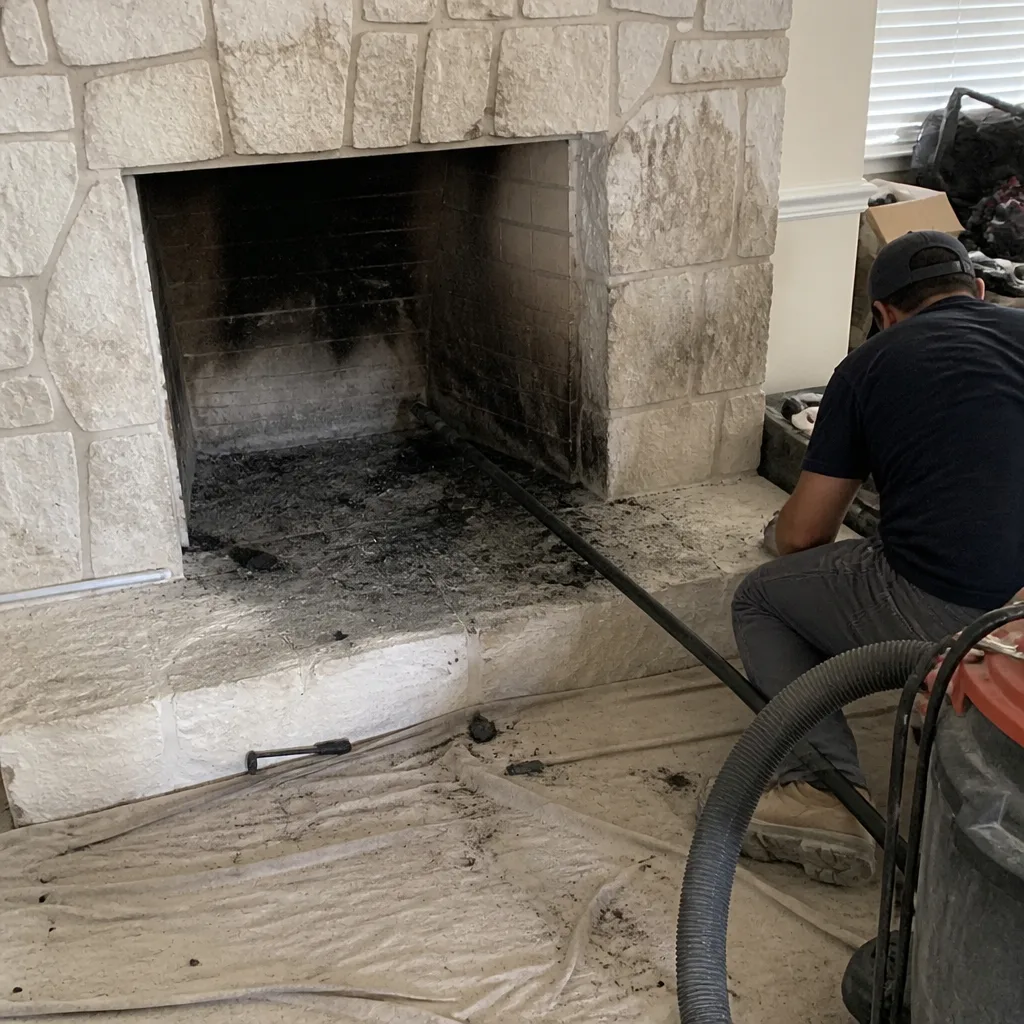 Before
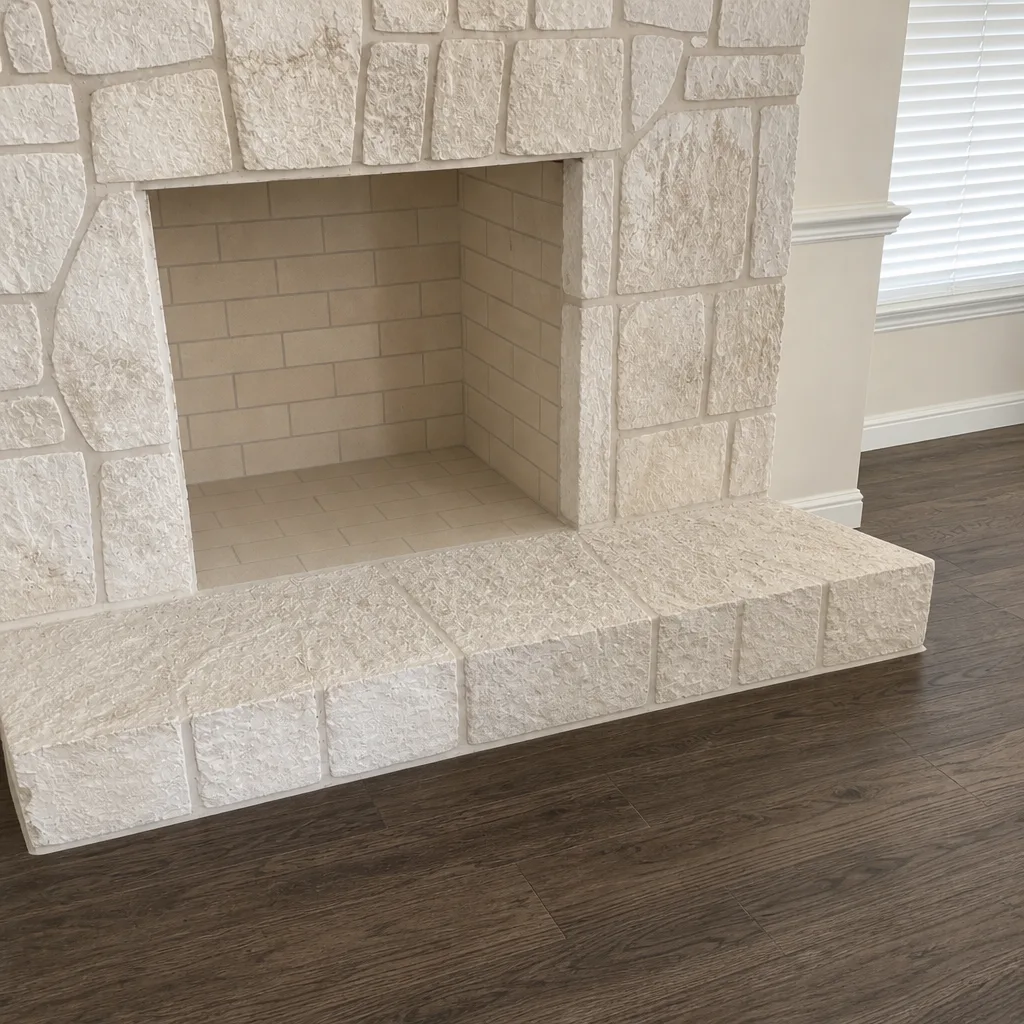 After
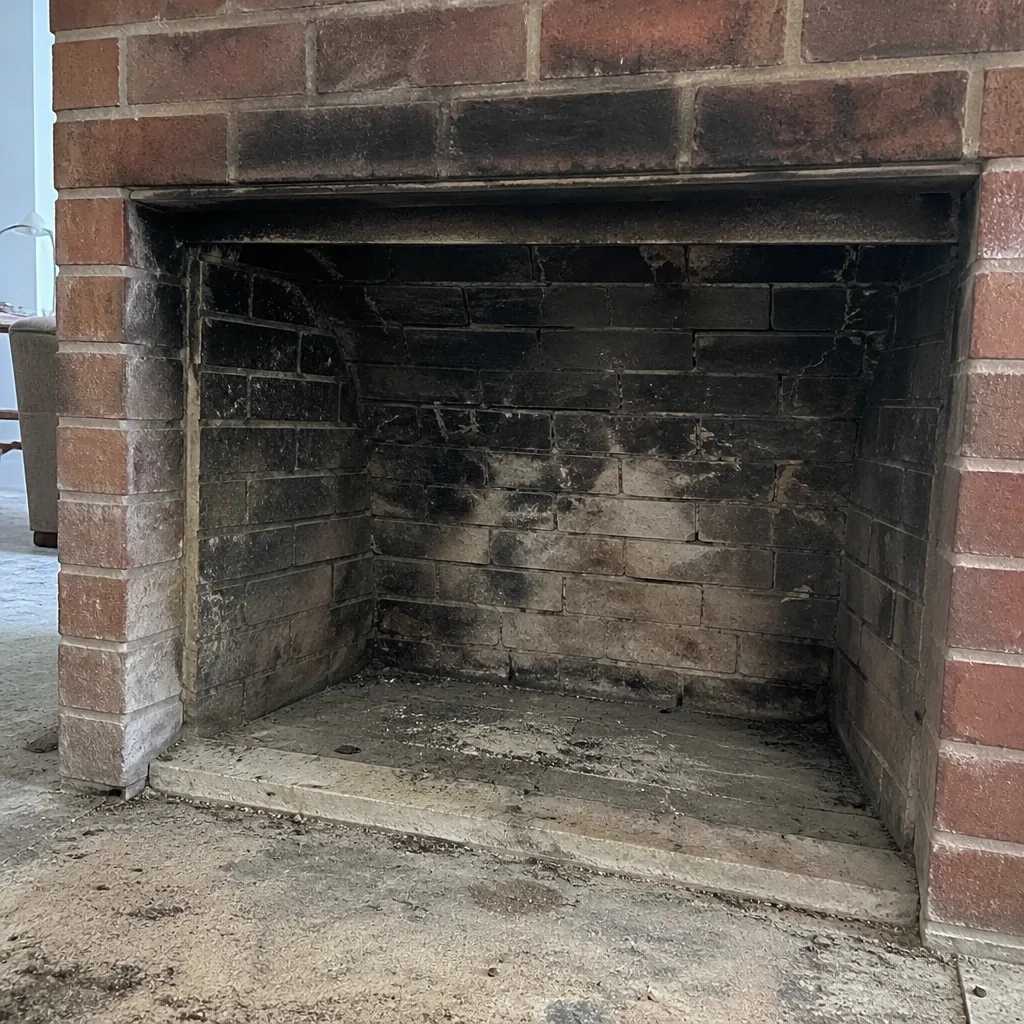 Before
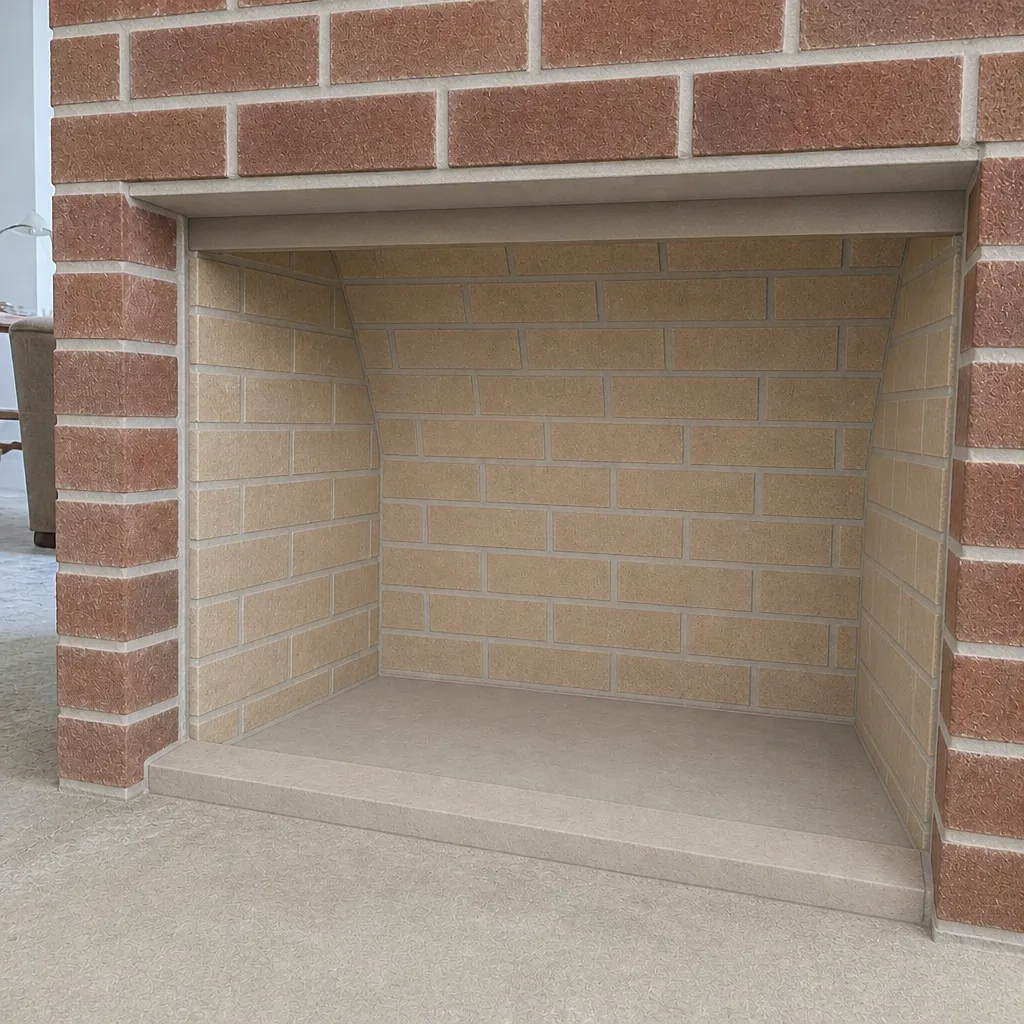 After
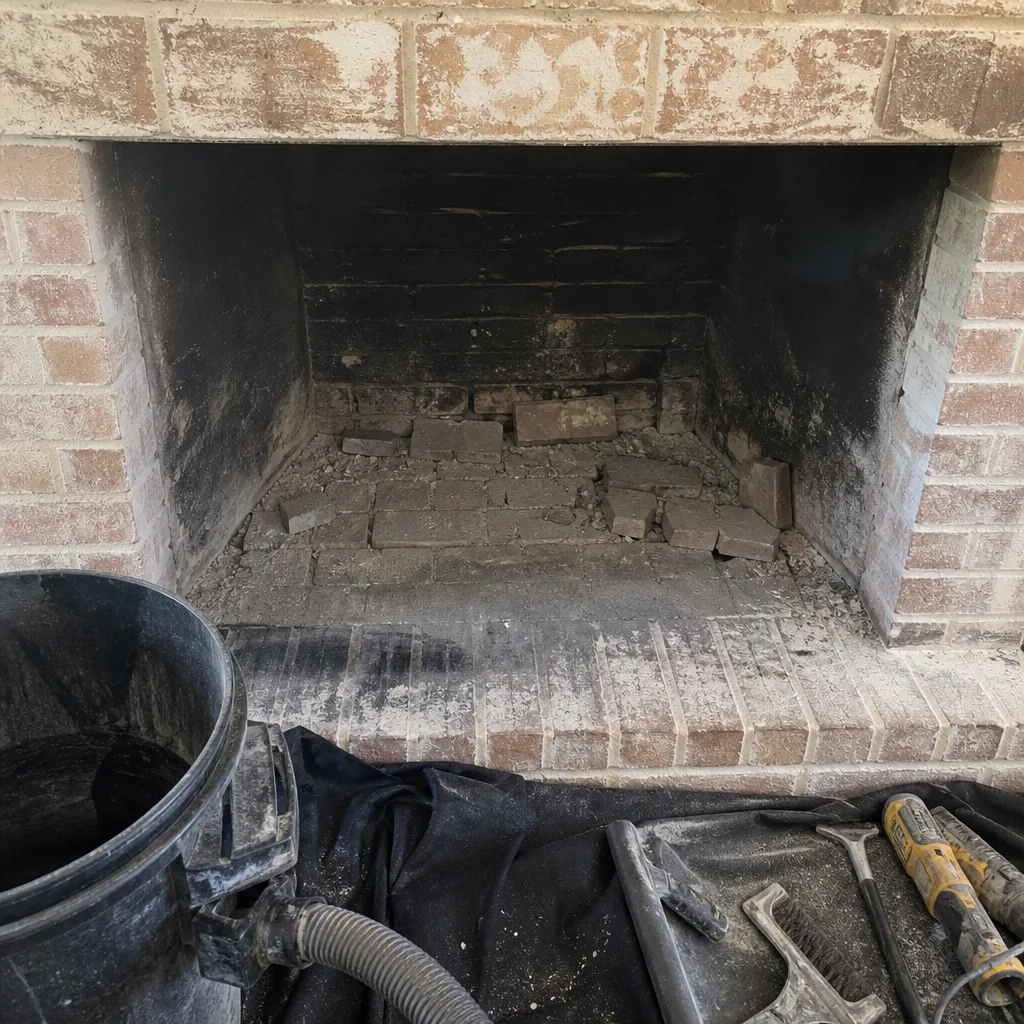 Before
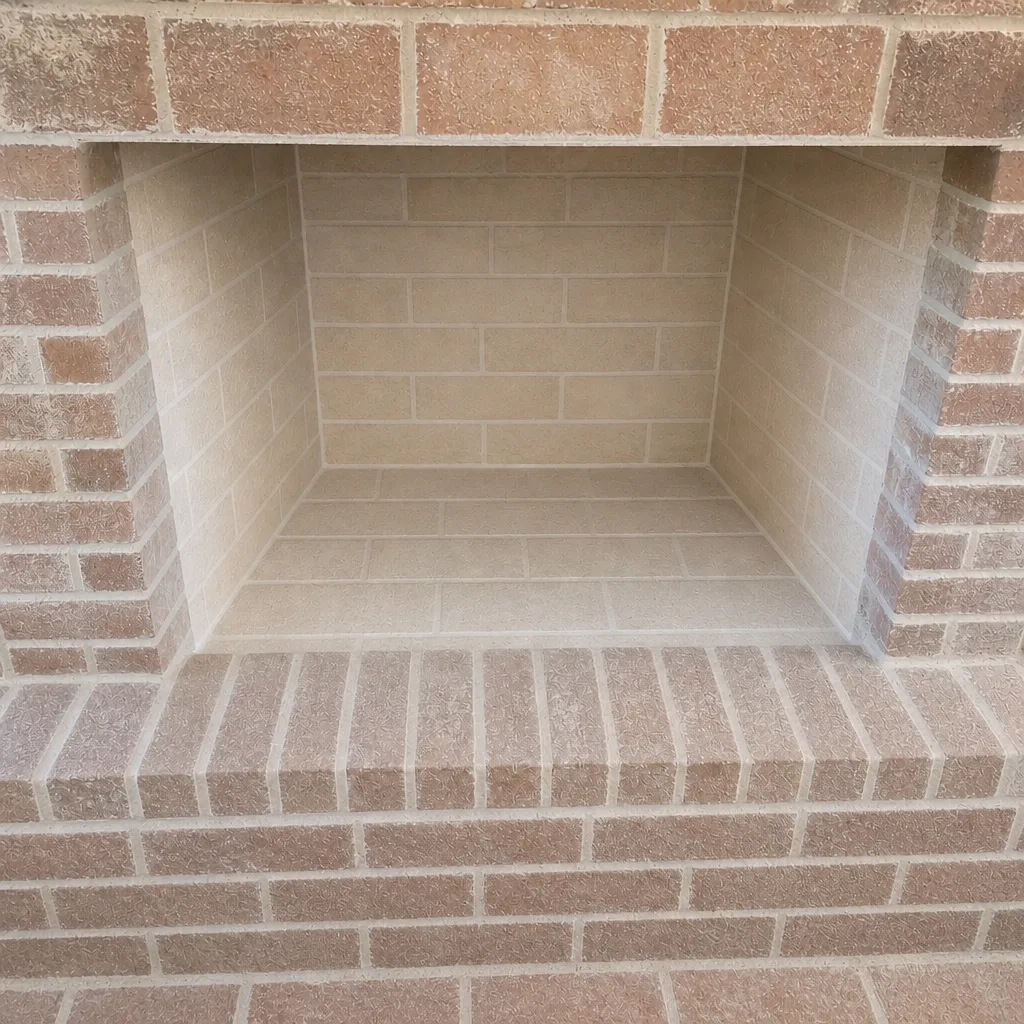 After
When to Call a Professional
Call a professional when any single warning sign in this guide is serious on its own, or when two or more mild signs show up together. Serious signs include rust streaks suggesting a compromised liner, visible gaps between firebricks, a nest in the flue, or smoke that backs into the room during a fire. If your damper is seized or your crown is visibly cracked, don’t wait. If you smell musty odors in a fireplace that hasn’t been used in weeks, that warrants a look before heating season. Between-use signals are exactly the ones most easily rationalized and the most worth checking. Starling Chimney Sweep offers free estimates in Corpus Christi. Call (888) 869-3130. We answer 24/7, with fast dispatch from 7am to 7pm, Sunday through Friday. Every visit includes a camera inspection and photo report, so you’ll see exactly what we see before anything is recommended.
Frequently Asked Questions
The most common warning signs in Corpus Christi are white efflorescence on exterior brick, a musty fireplace odor in warm months with no recent fires, rust staining inside the firebox or on the damper, brick flakes on the firebox floor, animal sounds in the flue, and smoke that doesn’t draft cleanly. Each one points to moisture, blockage, or corrosion, and none of them are purely cosmetic. If you see two or more together, a professional inspection is the right next step. Call (888) 869-3130 for a free estimate and a camera inspection with a photo report.
The National Fire Protection Association recommends a chimney inspection annually and sweeping as needed, which is the baseline we work from. Corpus Christi’s humidity means moisture-related damage often shows up between inspections, so it’s worth a visual pass after any long stretch of no fires. Wood-burning fireplaces in regular use typically need sweeping more often than gas appliances. If you haven’t had your chimney looked at since last heating season, that’s the timing to call. Call (888) 869-3130 and we’ll help you book an inspection.
White staining (efflorescence) means water has been moving through your masonry. On its own it’s harmless to the surface. What makes it serious is that efflorescence requires water penetration, which most often traces back to a failing crown, damaged flashing, or open mortar joints. A single bloom that scrubs off and never returns is minor. Efflorescence that returns every season, or comes with a crumbly feel under the surface, needs a professional look. Call (888) 869-3130 to have it inspected with a camera and a photo report.
A musty fireplace odor in summer, with no recent fire, usually means damp soot or mold inside the flue. In Corpus Christi, humidity drives this pattern, and the entry points are typically a cracked crown or failing flashing at the roofline. It’s not “just the humidity,” and it’s worth looking at before heating season. If the smell shows up reliably when the weather turns muggy, that’s a signal to get the crown and flashing checked. Call (888) 869-3130 for a free estimate and a camera inspection.
Sweeping a flue yourself is possible for some homeowners, but the important parts of a chimney inspection are the parts you can’t see from the firebox. The flue interior, the crown, the flashing, and the smoke chamber all need a camera and a trained eye. Attempting to climb or work on the roof is genuinely dangerous, and a sweeping rod in the wrong hands can damage the liner. We’d rather check it for you and tell you it’s fine than have you guess. Call (888) 869-3130 for an exact quote – estimates are free.
Many chimneys with early-stage damage can be repaired with HeatShield resurfacing rather than a full liner replacement. HeatShield seals hairline cracks and eroded mortar inside the flue, extending the chimney’s life and avoiding the cost of a full relining. When the liner is too far gone, a new DuraFlex liner is the right path instead. You shouldn’t have to take that decision on faith. We show you the camera footage and the photo report before recommending either path, and we tell you honestly when a chimney can wait. Call (888) 869-3130 for a free estimate.
The Bottom Line
Most chimney problems don’t announce themselves during a fire. They show up between uses, in the humid weeks when a musty smell or a chalky bloom on the brick seems easy to rationalize. In Corpus Christi, that’s a particular risk, because the climate hides water damage behind the very humidity that causes it. The signs worth acting on: recurring efflorescence, summer mustiness, rust in the firebox, brick flakes beyond the ordinary, animal sounds in the flue, and smoke that doesn’t draft cleanly. Two or more of those means call. One serious sign means call sooner. A camera inspection with a photo report, a written estimate, and honest advice about what can wait – that’s what you should expect from a professional sweep.
Same-Day Repair and Free Estimates Across Corpus Christi
Starling Chimney Sweep provides full-service chimney care across Corpus Christi, from routine sweeping to structural repair and dryer vent cleaning, all under one provider. We work with professional-grade materials – DuraFlex liner systems, HeatShield resurfacing, Gelco, Olympia Chimney, Famco, and Copperfield – because the sourcing matters as much as the craftsmanship. If you’ve spotted any of the signs in this guide, call (888) 869-3130 for a free estimate. We answer 24/7. Fast dispatch from 7am to 7pm, Sunday through Friday. Every visit includes a camera inspection and a photo report, so you see exactly what we see before any recommendation is made. Learn more about our team and our approach at Starling Chimney Sweep.
Written by the team at Starling Chimney Sweep.