
Last updated November 15, 2026
 Sweep & inspection
 Caps & crowns
 Flue relining
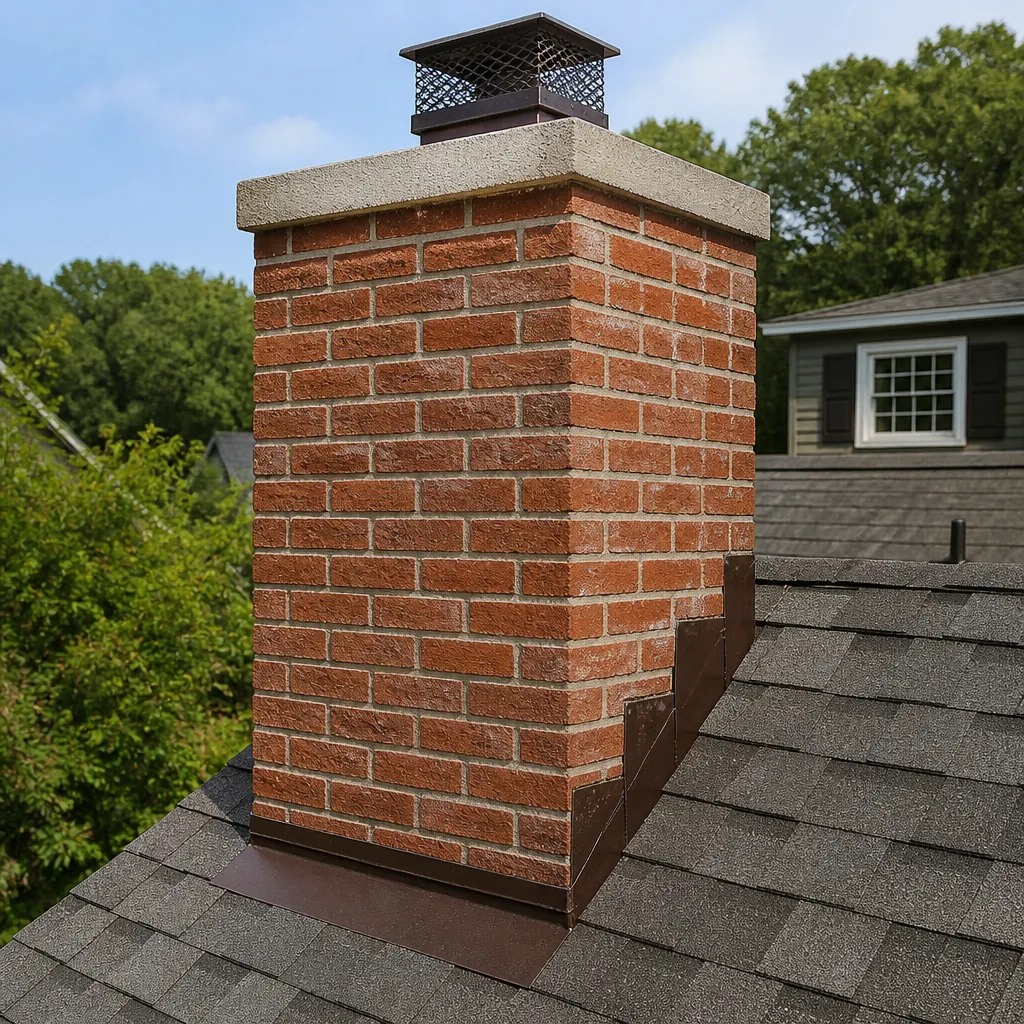 Masonry repair
 Gas fireplace service
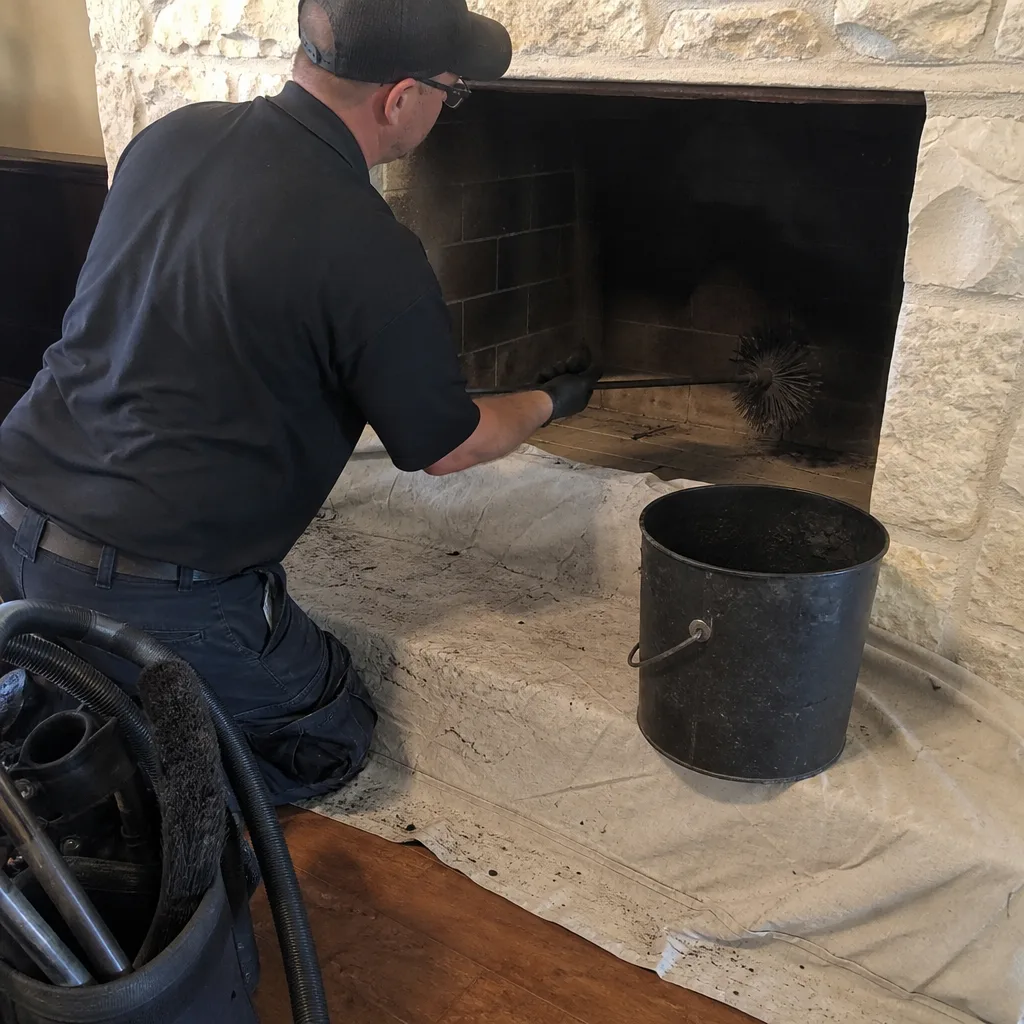
Level 1 sweep and inspection to the NFPA 211 annual standard - flue, crown, cap, and flashing checked and photographed
Chimney sweep logs do not sweep chimneys. They loosen some creosote - which then falls where a brush and vacuum still have to collect it.
Chimney Sweep Maintenance Schedule: What to Do and When
Most chimney advice you’ll find online was written for places with real winters, where a fireplace runs every night from October to April and the annual sweep is simply a fact of cold living. Corpus Christi doesn’t work that way. Here, a fireplace might see fewer than 30 genuinely fire-worthy nights a year. That short season is exactly why the inspection matters more than the sweep. A chimney that sits unused for ten months collects moisture, nests, and slow damage that a fire never warns you about. What follows is a maintenance calendar built for the Gulf Coast rhythm, not a Colorado one, plus the checklists, timing, and recordkeeping that keep a Corpus Christi chimney safe and insurable year after year.
Quick Answer
In Corpus Christi, schedule a professional chimney inspection every year, ideally in September before your first fire, and a full sweep whenever the inspection shows an eighth of an inch or more of creosote or any visible soot buildup. Because the local heating season is short and the humidity season is long, the annual inspection should weight moisture intrusion and animal debris more heavily than heavy creosote removal. Dryer vents run on household load: clean every 12 months for an average home, more often for large households, long vent runs, or pet hair.
Styles & brands we work with
- Sweep & inspection
- Caps & crowns
- Flue relining
- Masonry repair
- Gas fireplace service
Table of Contents
- Why a Corpus Christi Chimney Runs on a Different Schedule
- Why September Is the Right Inspection Month
- The Pre-Season Checklist: Damper, Cap, and Crown
- The Post-Season Check: Moisture and Animal Debris
- Your Month-by-Month Calendar
- Dryer Vent Cleaning Frequency: Load, Not Calendar
- What You Can Check Yourself Every Quarter
- Keeping Service Records That Hold Up
Why a Corpus Christi Chimney Runs on a Different Schedule
A chimney in a cold climate spends most of its life warm and dry. A chimney in South Texas spends most of its life cool and damp. That single difference flips the priorities. Up north, the threat is creosote from heavy, regular burning. Here, the bigger threat is moisture: humid air moving through an unused flue, rain finding its way past a failed crown or a missing cap, and the slow rust and spalling that follow.
We’ve watched this play out across homes near the bay and inland alike, where a chimney can be structurally compromised and still look perfectly fine from the hearth. The fireplace draws. The fire lights. Everything feels normal. But a cracked flue liner allows combustion gases into living spaces, and a hairline crack doesn’t announce itself. That’s why an inspection carries more weight than a sweep in this climate.
What actually matters here:
- Annual inspection first: The camera check is the priority, not the scrubbing. You need to know what’s happening inside the flue before another season passes.
- Sweep when the evidence says so: A light-use fireplace may not need a full sweep every year, but an inspection decides that, not a calendar alone.
- Moisture over soot: Failed crowns, missing caps, and water staining get flagged faster here than creosote alone.
- Humidity season, not just heating season: The months when the fireplace sits idle are the months when water and wildlife do their work.
The general rule most safety bodies use is an annual inspection for any chimney in use. In Corpus Christi, we treat that as a floor, not a target. Think of Starling Chimney Sweep care as three connected services – sweeping, repair, and dryer vent cleaning – because a combustion-safety check that ignores any one of them leaves a gap.
Why September Is the Right Inspection Month
September is the ideal inspection month in Corpus Christi because it lands after the long dormant stretch when moisture and animal damage accumulate, and just before the brief heating window when you actually need the fireplace working. Get the check done in late summer and you have time to schedule any repair before the first cool front arrives. Wait until January, when the fireplace is in use, and a needed repair forces a choice between unsafe burning and a cold house.
There’s a second reason. A September inspection catches the summer’s humidity damage while it’s still cheap to fix. A small crown crack spotted in September can be sealed. The same crack found in March, after months of rain working through it, can mean a resurfacing job or liner work that a timely check would have prevented.
Here’s how to time the year:
- Late August: Book your annual inspection and any sweep. Appointments fill as the season turns.
- Early to mid September: The inspection and sweep happen. Camera footage and a photo report come back to you.
- Late September through October: Complete any recommended repair before you light the first fire.
- First cold night: Burn with confidence, because the flue has been cleared for use.
If your fireplace is gas or a gas insert, the same timing holds. Gas logs and inserts still produce some residue and, more importantly, still sit attached to the same flue and venting that the humid season works on. A September inspection covers both.
The Pre-Season Checklist: Damper, Cap, and Crown
A pre-season check focuses on the parts that fail while a chimney sits idle: the damper, the cap, and the crown. These are the components that decide whether your flue stays dry and sealed between fires. In a climate where the chimney is dormant most of the year, these three items do more to protect the chimney than anything that happens during the fire itself.
The damper. A damper that sticks open is a slow leak of humid air and a standing invitation to birds and insects. A damper that sticks closed means you can’t safely burn. The check confirms it seals fully and opens freely. When it doesn’t, repair or replacement comes before the season.
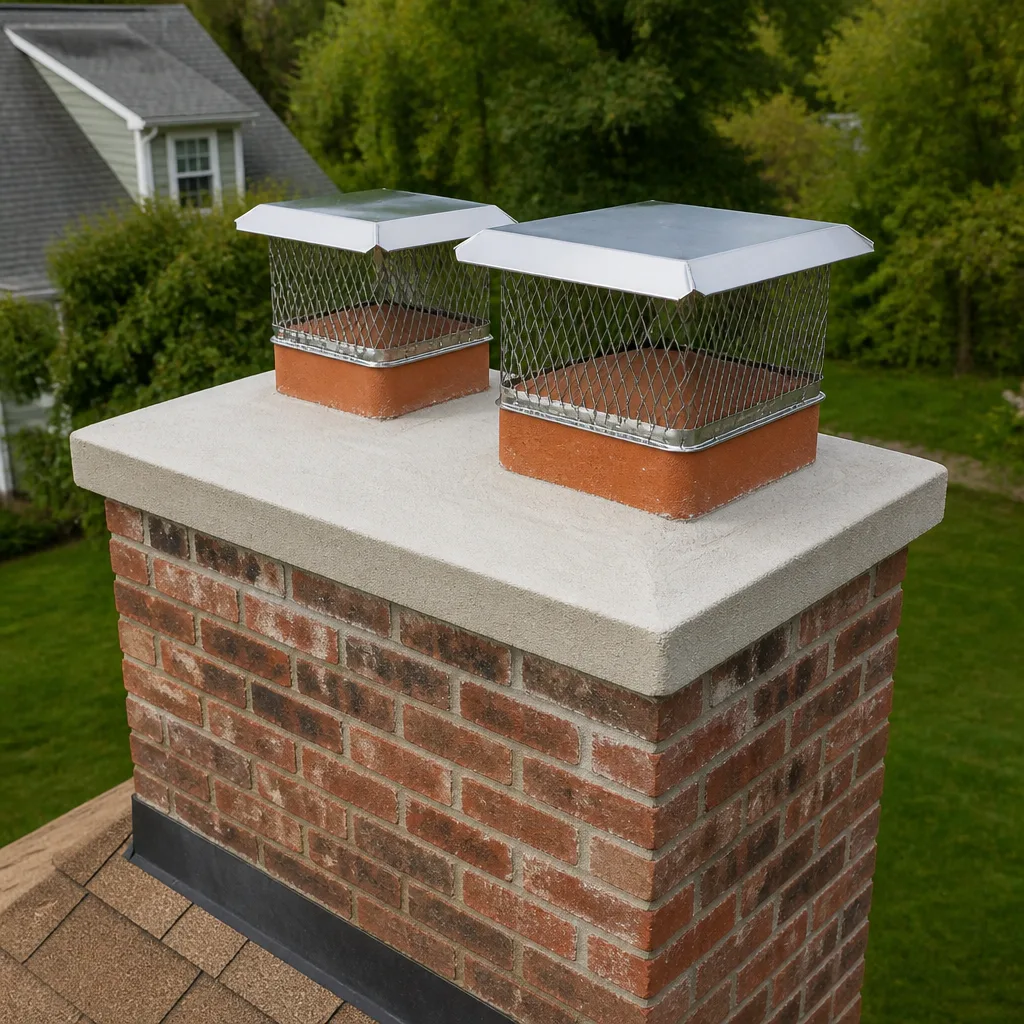
The cap. Starlings, in particular, are among the most common birds to nest in an unprotected flue – the name on our truck is a quiet nod to how often we find them there. A proper cap keeps birds, squirrels, and rain out. A missing or damaged cap is one of the most common findings on a September inspection in Corpus Christi, and one of the easiest to correct. We work with Copperfield chimney supplies and Famco venting products for caps and venting components that hold up to the local weather.
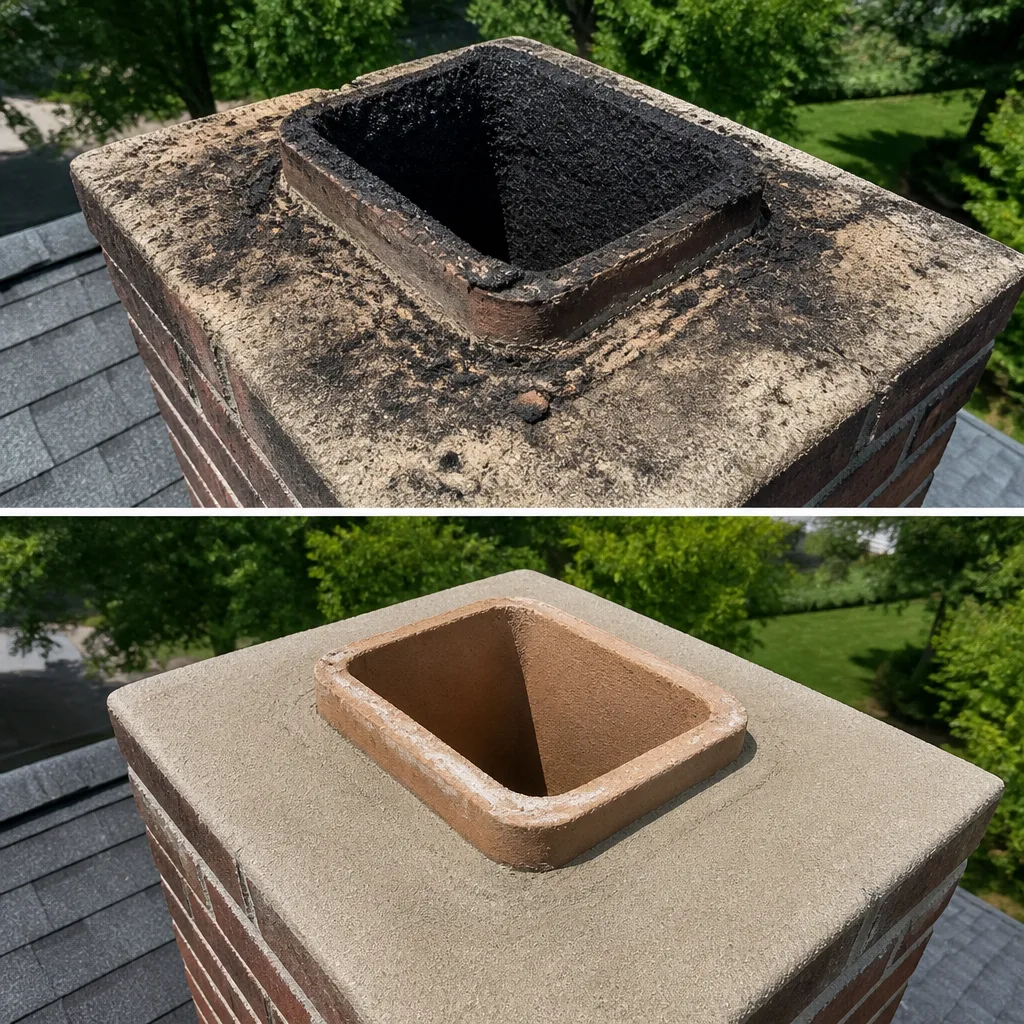
The crown. The crown is the concrete surface at the top of the chimney that sheds water away from the flue. A cracked crown lets water straight into the masonry. When the crown is failing, resurfacing with HeatShield is often the right call: it seals hairline cracks and restores the flue interior so it handles heat the way it was designed to, without going straight to a full liner replacement.
Run through this pre-season list each September:
- Damper opens and closes fully and seals when closed
- Cap is present, intact, and properly sized
- Crown is free of cracks and still sheds water away from the flue
- No visible water staining or rust on the firebox or damper assembly
- Flue is clear of nests and debris
The Post-Season Check: Moisture and Animal Debris
The post-season check happens in late spring, after the last fire, and it exists for one reason: to catch what the humid months ahead will worsen. In Corpus Christi, a chimney that just finished a short burn season is about to spend ten months mostly unused. That idle stretch is when water intrusion and wildlife cause the damage. A spring check closes the door on both before summer.
What the post-season check is looking for:
- Moisture intrusion: fresh water stains, rust, or crumbling mortar that appeared over the winter. Catching these in spring means the repair gets done before the wet season compounds it.
- Animal debris: nests, droppings, or a buildup of twigs and leaves that found their way in. A blocked flue is a carbon monoxide hazard the moment you next light a fire.
- Soot and residue levels: a note on how much built up over the season, which tells you how next year’s sweep should be timed.
- Liner condition: a camera look at the liner to confirm nothing shifted or cracked over the dormant months.
The post-season check is lighter than the fall inspection. It’s a look, not a full service. But skipping it means the first sign of trouble next fall is a problem that had all summer to grow. If you’re in a home that sat vacant or went dormant, this is the check that matters most.
Your Month-by-Month Calendar
Here’s the full maintenance calendar, tuned to the Corpus Christi year. This is the schedule we’d hand a homeowner who wants one page to follow instead of guessing.
January to February: Heating window. Burn as you like and note anything that feels off – weak draft, smoke rolling back, unusual odor. Keep the damper working and don’t burn wet wood.
March: Check for nests and debris after the last fire. If the fireplace will sit idle now, close the damper and confirm the cap is secure.
April: Post-season inspection window. Camera check on the liner, moisture and wildlife look, and a note on soot levels for next year’s timing.
May to July: The chimney is dormant, but the humid season is at its peak. This is the stretch to schedule any repair the spring check flagged, so it’s handled before the fall rush. Dryer vent cleaning often fits naturally here.
August: Book the fall inspection. Late August is the time to get on the schedule.
September: Pre-season inspection and sweep. Complete any recommended repair before the first fire.
October: Final pre-season check – damper, cap, crown, and a clear flue. You’re ready for the brief season.
November to December: Heating window. Keep the flue clear, watch the draft, and enjoy the fire.
Dryer Vent Cleaning Frequency: Load, Not Calendar
Dryer vent cleaning should run on household load, not a fixed calendar date. A two-person home that does three loads a week is very different from a family of five with a long vent run and a shedding dog. The lint that builds in a dryer duct is fuel, and the safety bodies that track residential fires treat dryers as a leading cause. That’s why we treat dryer vent cleaning as a core part of whole-home combustion safety, not an add-on.
Use these benchmarks to set your own schedule:
- Average two-to-three-person household, normal load: clean once every 12 months.
- Large household, frequent loads, or long vent runs: every 6 to 9 months.
- Pets in the home or a vent run that bends multiple times: lean toward the shorter interval.
- Rental units and property-managed homes: set a fixed annual cleaning and log it per unit for compliance.
The clues that say “sooner” are worth knowing. Clothes taking longer than usual to dry, the outside vent flap not opening fully, a hot dryer top, or a faint burnt smell are all signs lint is restricting airflow. If you see any of them, don’t wait for the calendar. For property managers, a written annual dryer vent cleaning record is the simplest way to demonstrate diligence to a tenant or an insurer.
What You Can Check Yourself Every Quarter
A homeowner can keep an eye on several things every few months without ever getting on the roof. These visual checks don’t replace a professional inspection, but they flag a problem early so it doesn’t spend months getting worse. None of them involve climbing, and none of them put you near a ladder or a hot chimney.
Quarterly, from the ground and from the hearth:
- Look up at the chimney from the yard. Is the cap still on and sitting straight? Any obvious cracks or missing mortar in the visible masonry?
- Open the damper and look up with a flashlight. Any daylight coming through where it shouldn’t? Any nests, leaves, or soot flakes falling down?
- Check the firebox and damper for rust or water stains. These point to moisture getting in from above.
- Check the dryer vent flue outside. Confirm the flap opens when the dryer runs and that lint isn’t caked around the opening.
- Note any draft changes. A fireplace that suddenly smokes or drafts poorly is telling you something changed inside the flue.
What not to do: don’t climb onto the roof, and don’t try to clean, repair, or inspect the flue interior yourself. A masonry chimney in this climate can have a failing crown or loose mortar that isn’t obvious from below, and the flue itself is a confined space. Leave the roof and the liner to a trained professional. Your quarterly job is the easy visual look.
Keeping Service Records That Hold Up
A simple service log protects you in two places that matter: an insurance claim and a home sale. When something goes wrong, an insurer wants to see that the chimney was maintained. When you sell, a buyer’s inspector will ask for service history. A folder of dated receipts and inspection reports answers both questions without argument.
What to keep, and how:
- Date of every service – sweep, inspection, repair, and dryer vent cleaning, each on its own line.
- Who did the work and what they found, in plain language.
- Camera inspection reports and photos from every inspection. These are the single most useful document in the folder.
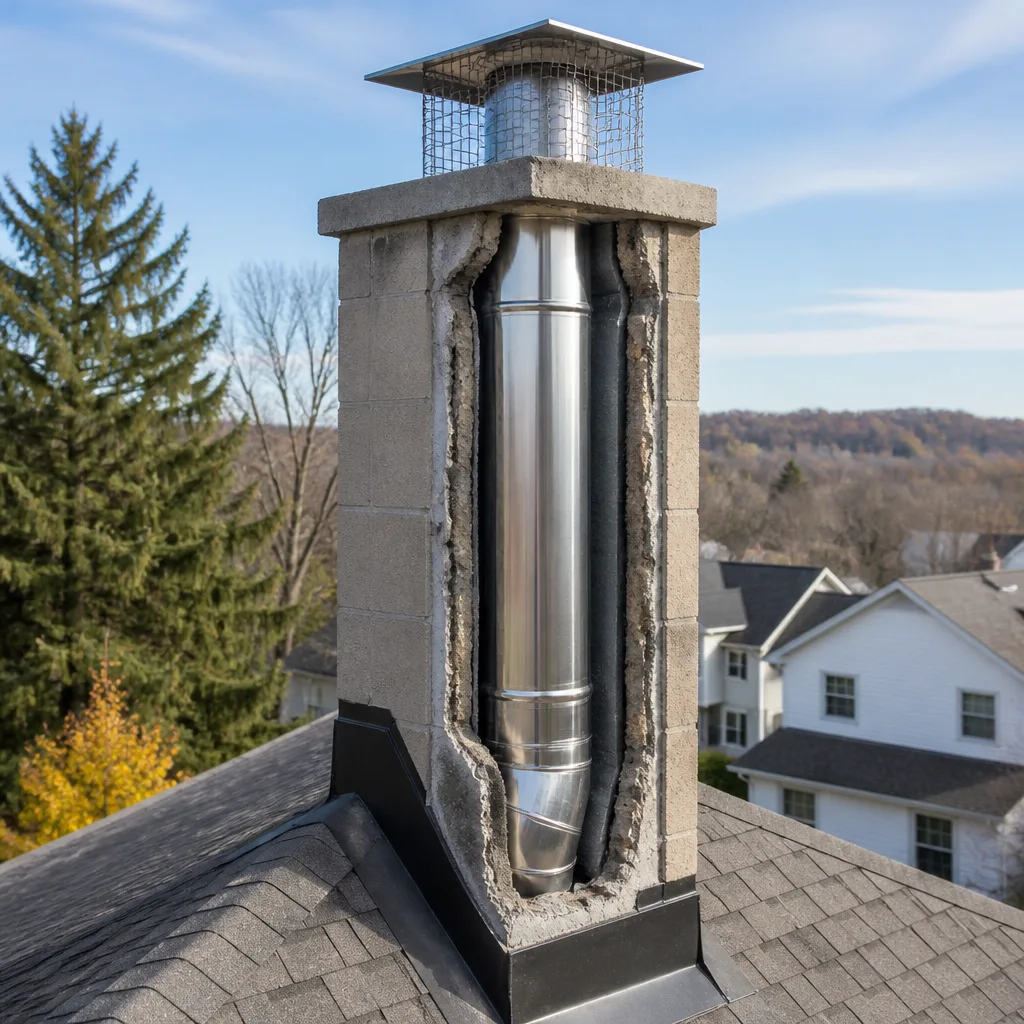
- Repair receipts with the materials named – for example, a note that a HeatShield resurfacing or a DuraFlex liner was installed, and when.
- Dryer vent cleaning records per unit if you’re a landlord.
Keep a paper folder and a phone photo of each report. If you move, hand the folder to the buyer. If you ever file a claim, the dated report showing the last inspection is your first line of defense. When we inspect a chimney in Corpus Christi, we hand over the camera footage and a photo report so you can see exactly what we saw and keep it for your records.
Common Mistakes to Avoid
- Treating a short heating season as a reason to skip the annual inspection. The fireplace is used less here, but the chimney still sits through ten months of humidity and wildlife exposure. The inspection protects the dormant chimney as much as the active one.
- Sweeping more often than inspecting. A sweep clears soot, but an inspection finds the cracked liner and the failed crown that a sweep never touches. In this climate, the camera check comes first.
- Ignoring the cap until spring. A missing cap lets birds nest in the flue over the idle months. Check it in September, not after the damage is done.
- Assuming a gas insert needs no service. Gas fireplaces still vent, still collect residue, and still connect to a flue that the humid season works on. They need an annual look like any other.
- Running the dryer vent on a calendar instead of load. A busy household or a long vent run needs cleaning more often than once a year. Waiting for the anniversary date risks lint buildup.
- Letting a repair wait until the fire is already lit. A September inspection leaves time to fix a problem. Discovering it in January leaves you choosing between an unsafe fire and a cold one.
- Skipping the record folder. Without dated reports, an insurance claim or a home sale turns into guesswork. Keep the camera footage and the receipts.
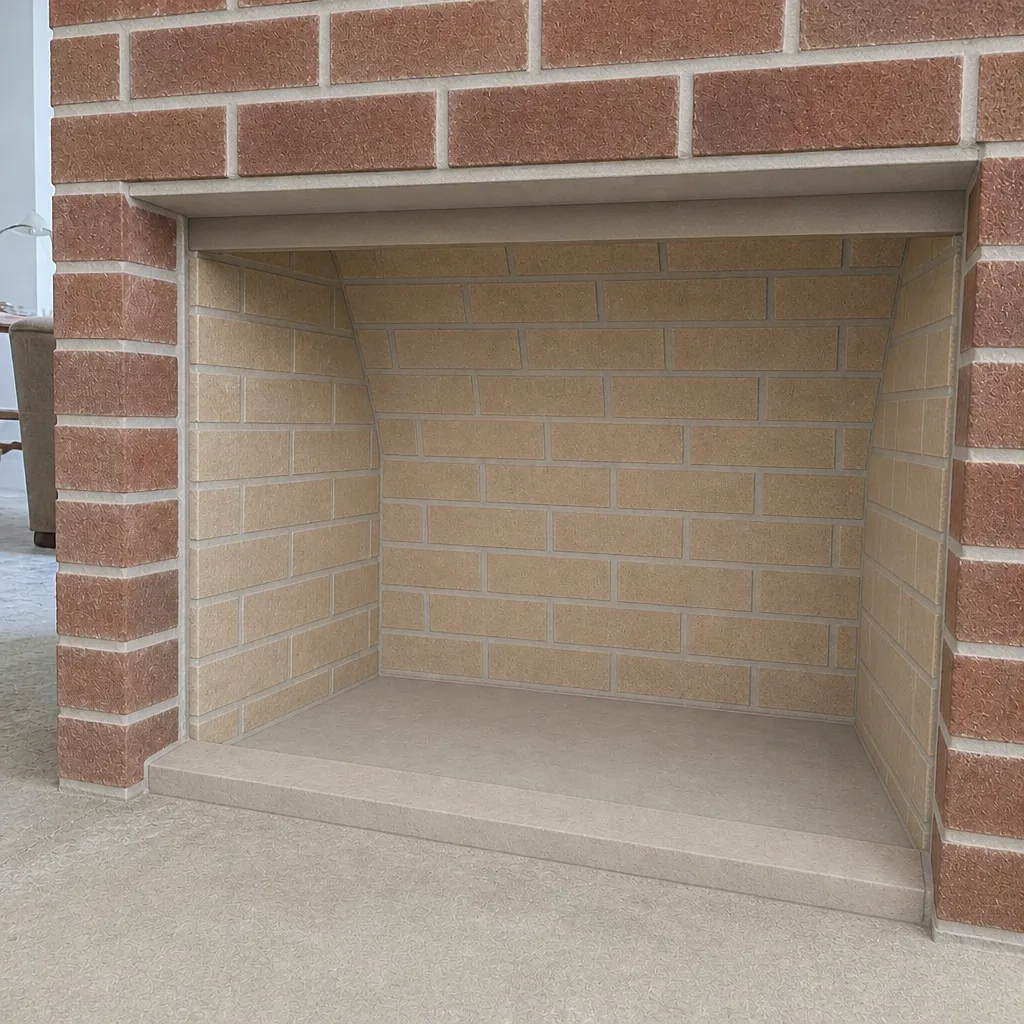
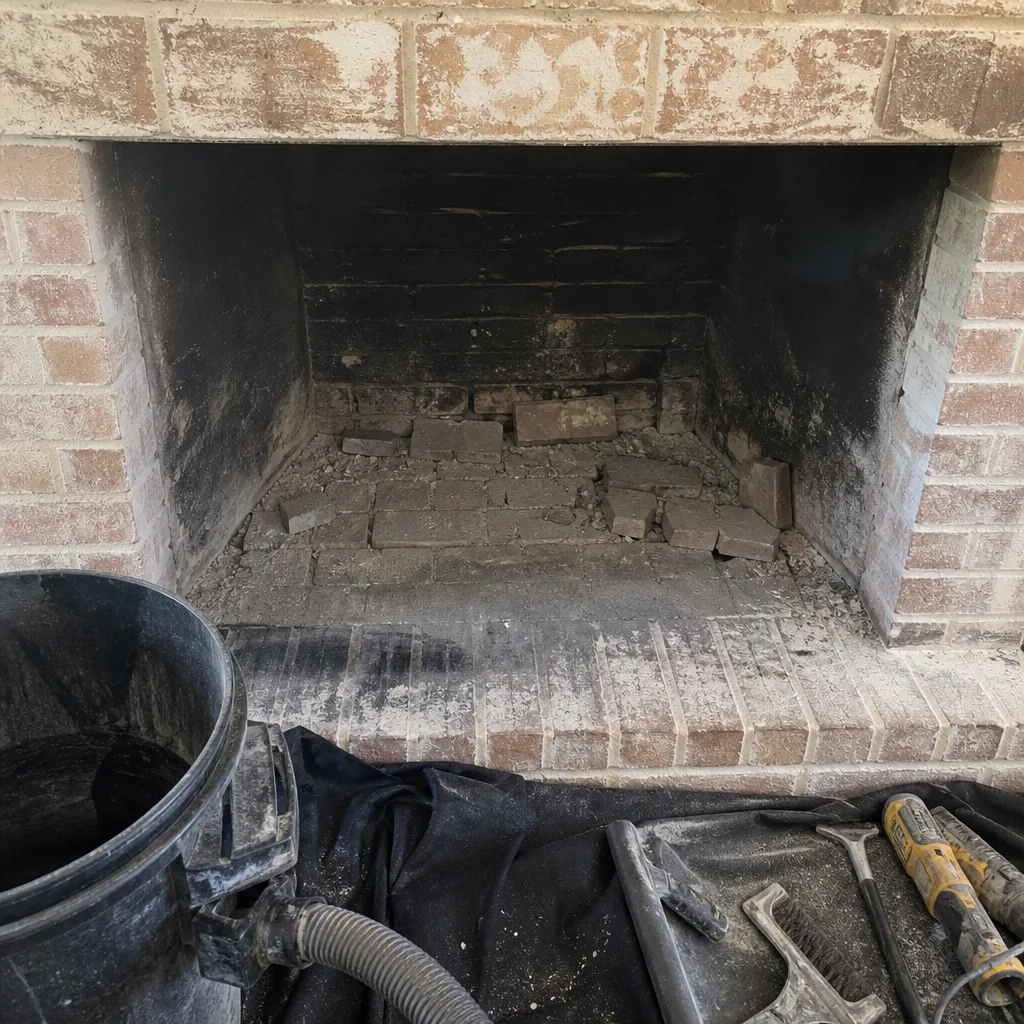
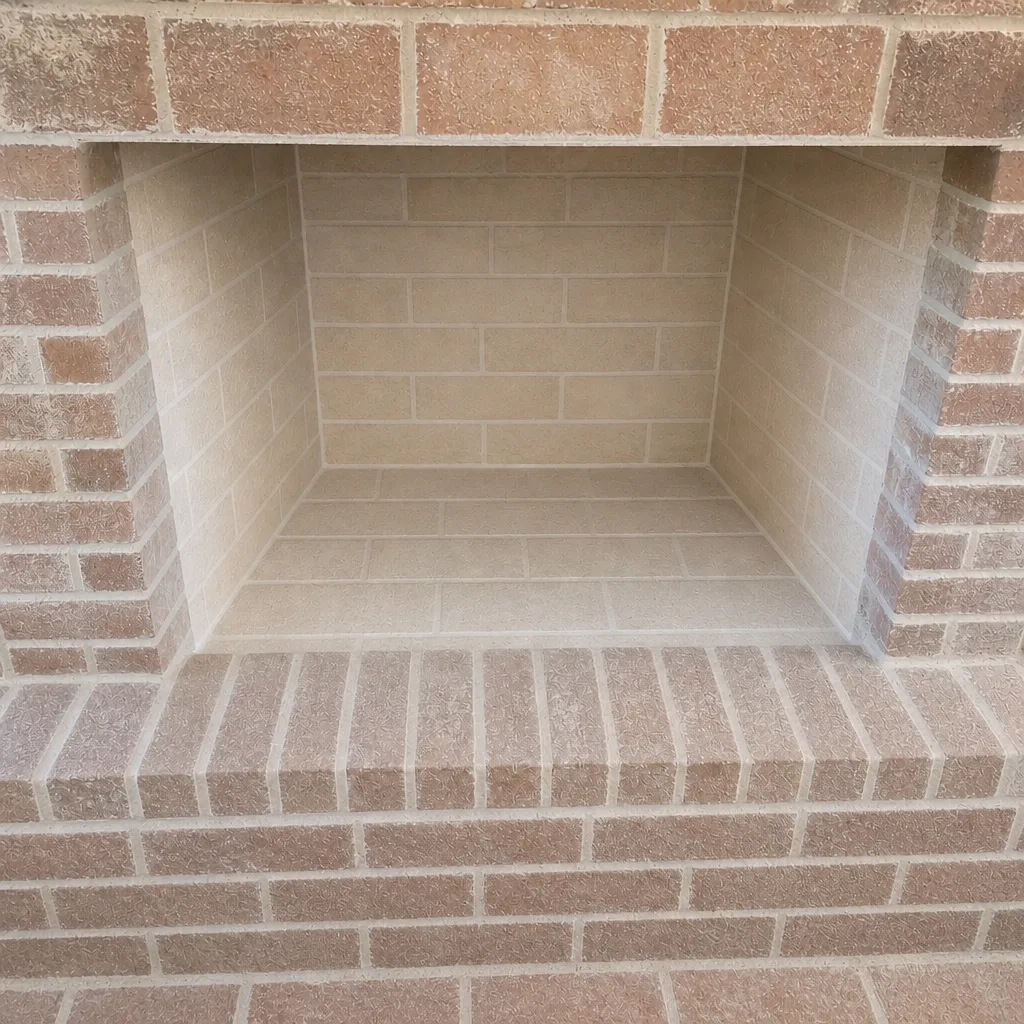
See the difference
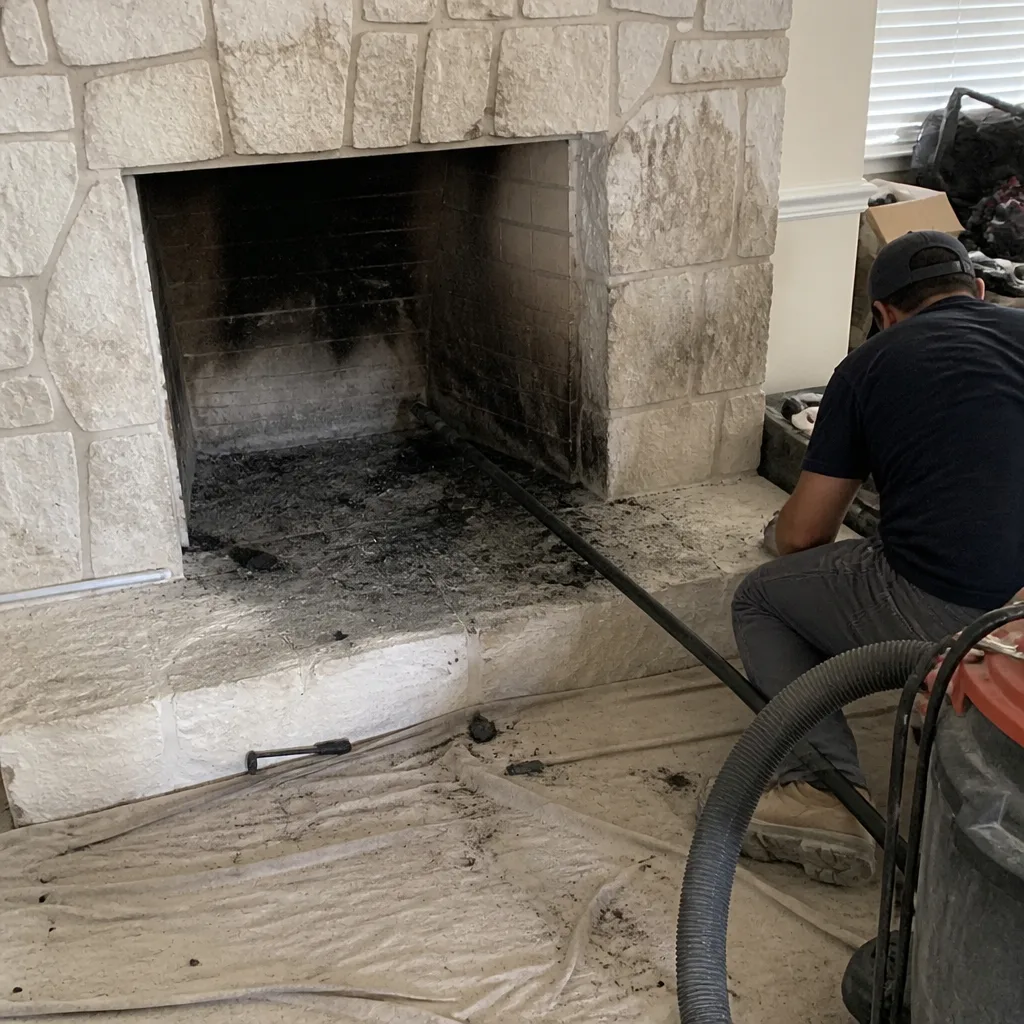 Before
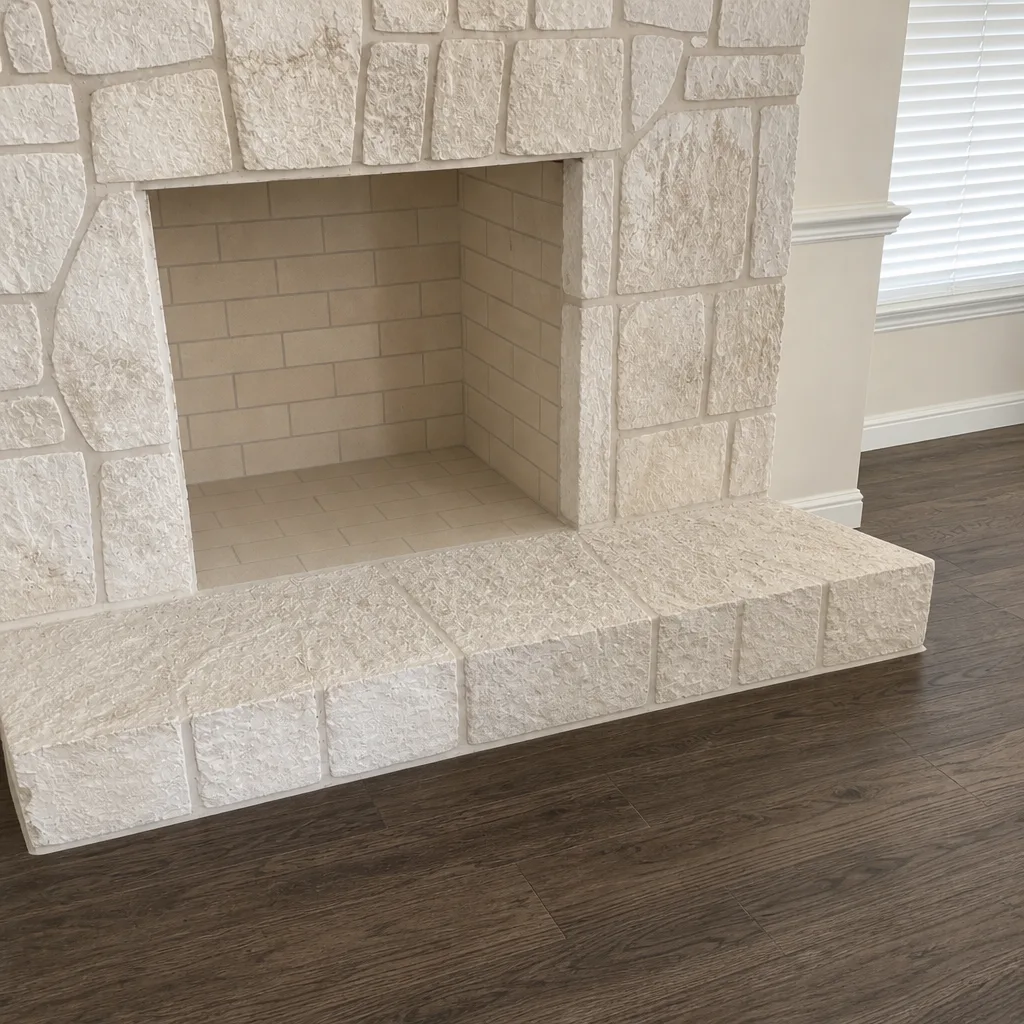 After
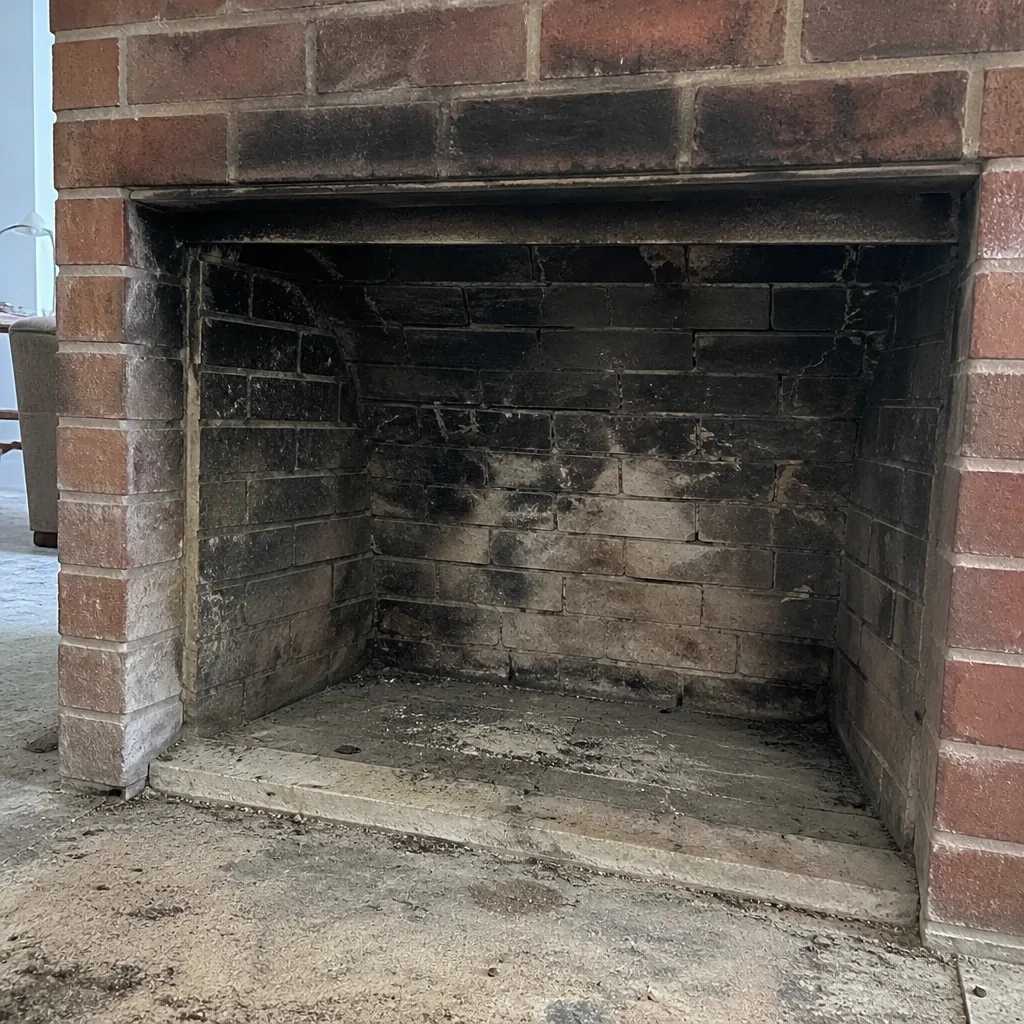 Before
 After
 Before
 After
When to Call a Professional
Call a professional if you’ve never had the chimney inspected, if it’s been more than a year, or if you’ve spotted any of the warning signs above – rust, water stains, a smoking fireplace, or a cap that’s come loose. Call before you burn after any long dormancy, and immediately if you smell gas or suspect a blocked flue. High-tension springs, live electrical components, and confined flue interiors are not places to work alone; a trained technician knows how to handle them safely. Starling Chimney Sweep offers free estimates in Corpus Christi – call (888) 869-3130. Our technicians have up to 9 years of experience across sweeping, repair, and dryer vent work, and we use professional-grade materials like HeatShield and DuraFlex for the jobs that need them.
Frequently Asked Questions
In Corpus Christi, aim for an annual inspection and sweep the chimney whenever the inspection shows a buildup of about an eighth of an inch of creosote or any visible soot. Because the heating season is short, some light-use fireplaces need only inspection in a given year, but the annual check itself isn’t optional. Call (888) 869-3130 for an exact quote on your chimney.
September is the right month because it comes after the humid dormant season and before the brief heating window, giving time to complete any repair before the first fire. Waiting until January forces a choice between unsafe burning and a cold house. Book by late August so the September slot is open.
Yes. Light use is precisely why the inspection matters here – a chimney that sits idle most of the year collects moisture, nests, and slow damage a fire never warns you about. The inspection protects the dormant chimney, not just the active one. Call (888) 869-3130 to schedule yours.
Clean the dryer vent every 12 months for an average household, and every 6 to 9 months for large households, long vent runs, or homes with pets. Set the interval by load rather than a fixed date. Signs like slow drying or a hot dryer top mean it’s time regardless of the calendar.
A pre-season check in September focuses on the damper, cap, and crown to make sure the flue is sealed and ready to burn. A post-season check in spring looks for moisture intrusion and animal debris that built up over the winter, so it can be repaired before the humid months worsen it. Both are worth keeping on the calendar.
You can do the quarterly visual checks – looking up at the cap from the yard, checking the firebox for rust, and watching the dryer vent flap – without any risk. Leave the roof, the liner, and the flue interior to a trained professional. A failing crown or a cracked liner isn’t visible from below, and the flue is no place to work alone.
The Bottom Line
A Corpus Christi chimney runs on a Gulf Coast schedule, not a northern one. The fireplace may only burn a couple dozen nights a year, but the chimney spends the rest of the year exposed to humidity and wildlife, so the annual inspection carries more weight than the sweep. Book it in September, check the damper, cap, and crown, follow up with a spring look for moisture and debris, keep your dryer vent on a load-based interval, and log every visit. That routine keeps the flue safe for the short season and keeps your records ready for an insurer or a buyer. For full-service chimney care – sweeping, repair, and dryer vent cleaning from one provider – see how we serve Corpus Christi, and book your chimney sweep before the season turns.
Call (888) 869-3130 for a free estimate. We answer 24/7. Fast dispatch from 7am to 7pm, Sunday through Friday.
Written by the team at Starling Chimney Sweep.