
Last updated November 15, 2026
 Sweep & inspection
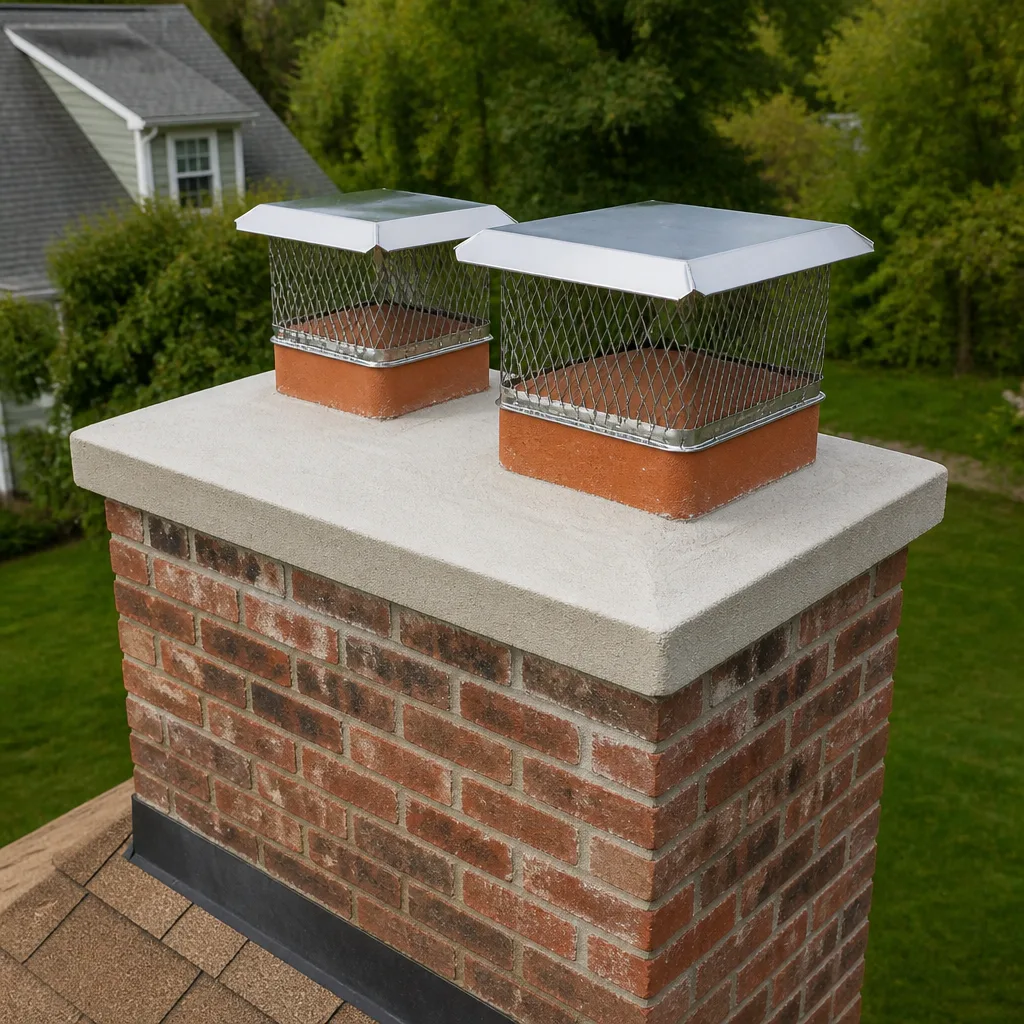 Caps & crowns
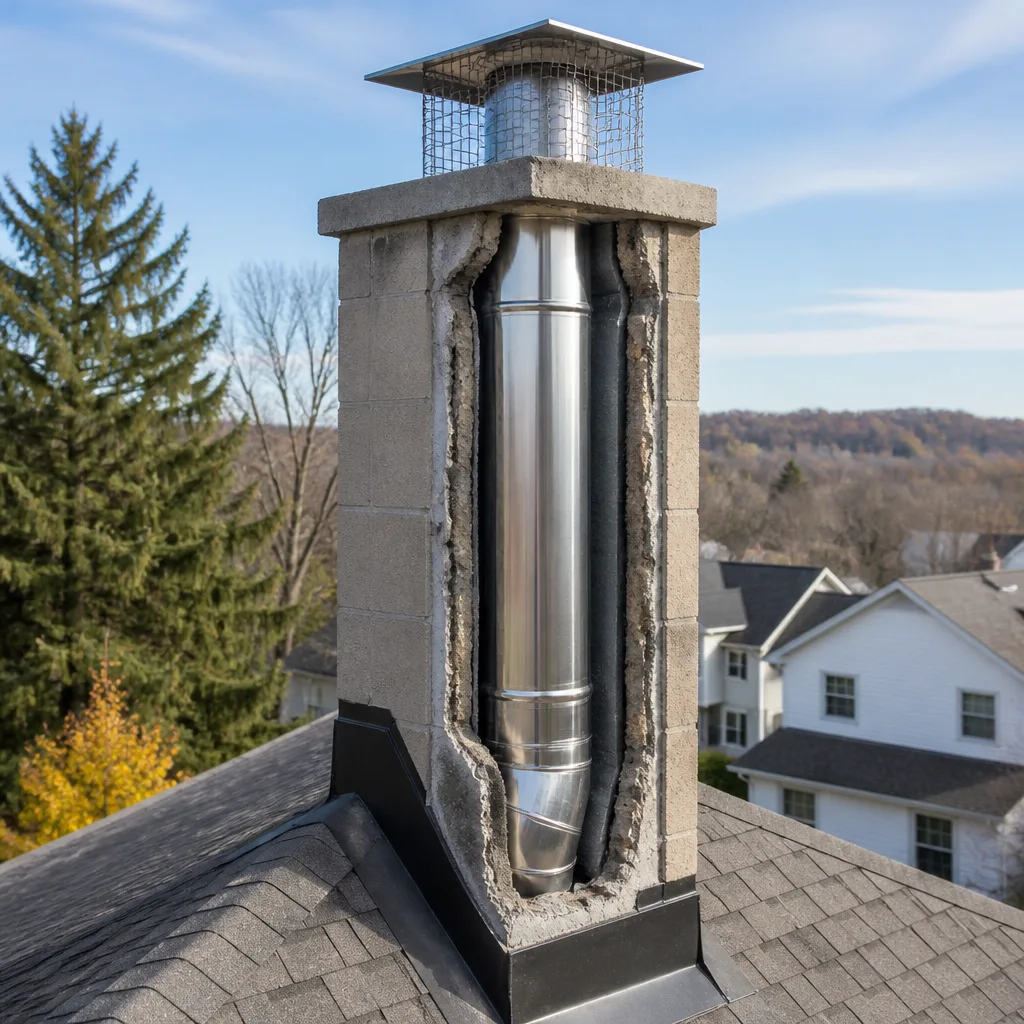 Flue relining
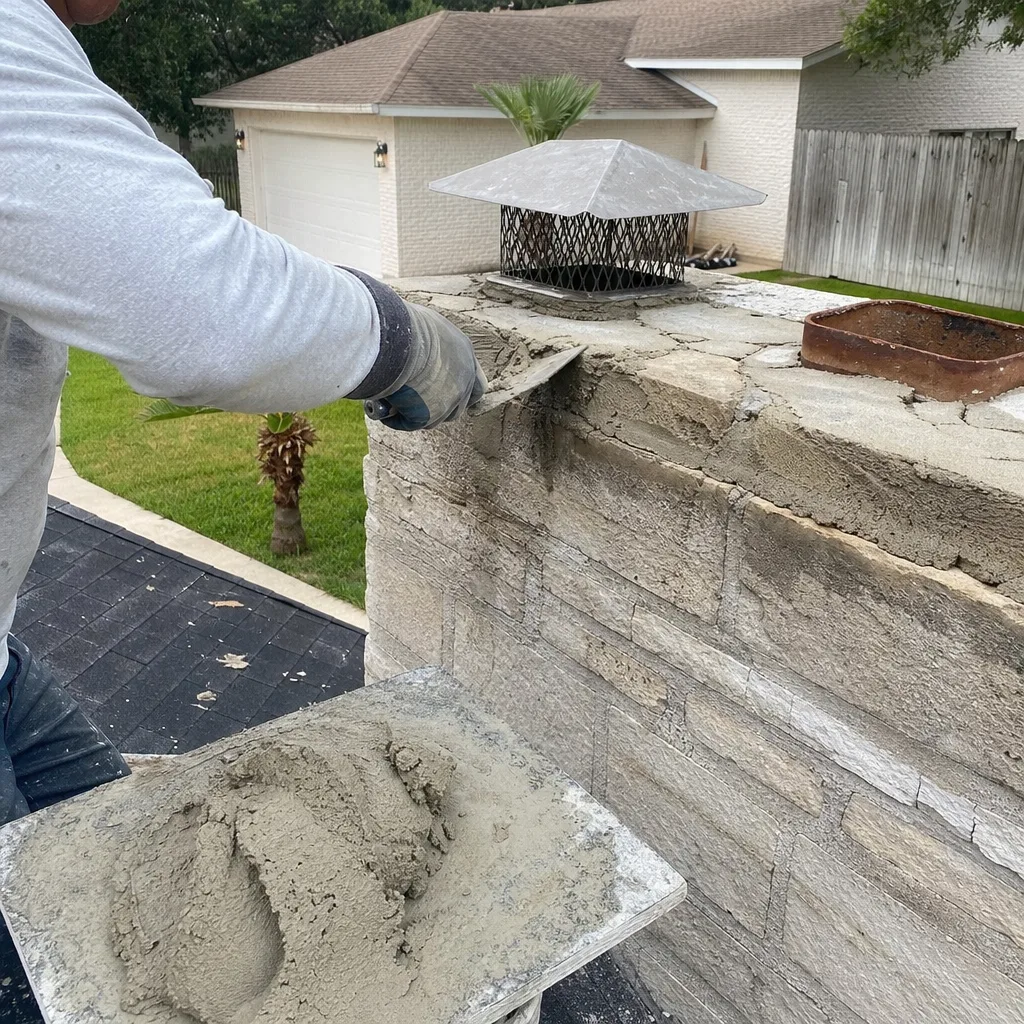
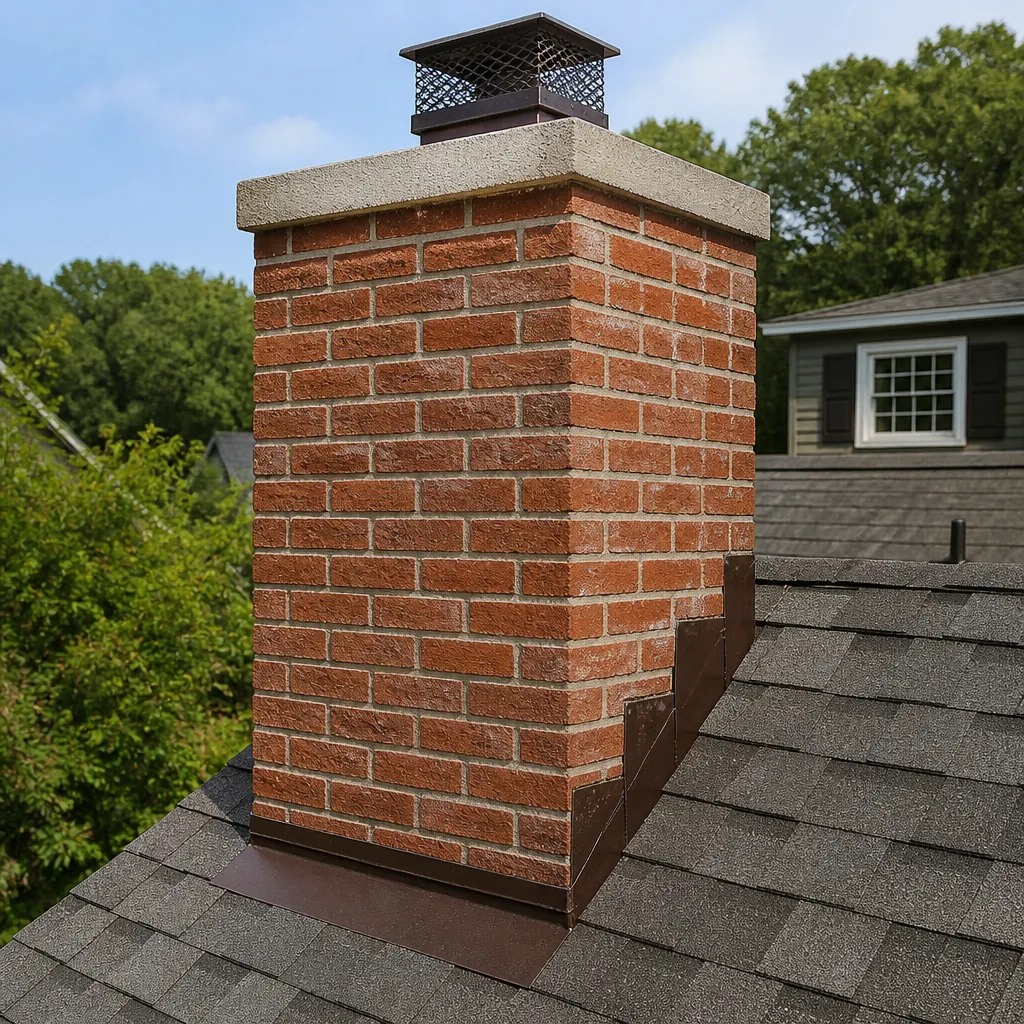 Masonry repair
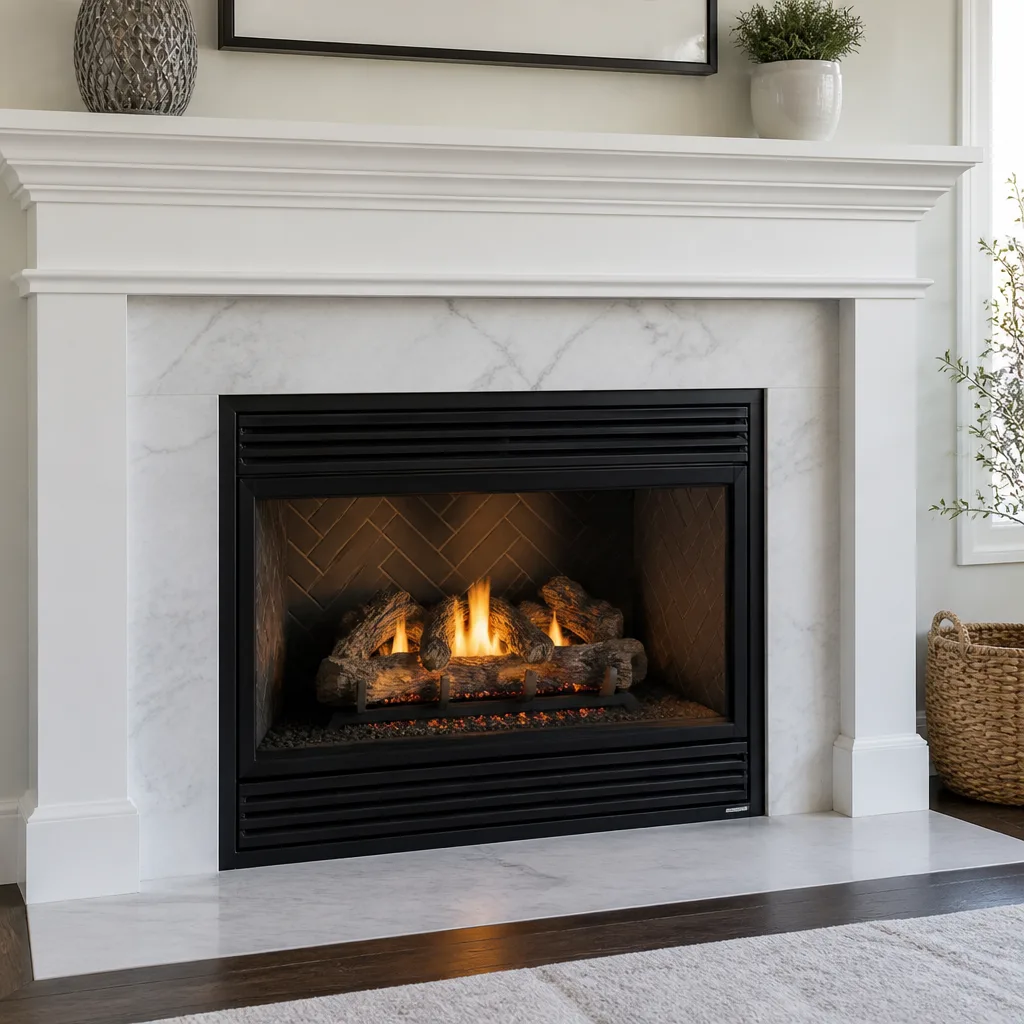 Gas fireplace service
Level 1 sweep and inspection to the NFPA 211 annual standard - flue, crown, cap, and flashing checked and photographed
Chimney sweep logs do not sweep chimneys. They loosen some creosote - which then falls where a brush and vacuum still have to collect it.
How to Hire a Chimney Cleaning Contractor in Corpus Christi: A Step-by-Step Guide
Most homeowners think a chimney sweep is a chimney sweep. The brush goes up, the soot comes down, money changes hands, and everyone moves on. That’s the misconception worth clearing up before you book anyone in Corpus Christi. The person who shows up can either be a specialist trained on flue systems, draft, and combustion safety, or a general handyman who owns a brush because chimney work pays the bills between drywall jobs. Both will hand you a receipt. Only one protects your home. This guide walks through the exact questions and credential checks that separate the two, so you can hire with confidence and skip the second-guessing.
Quick Answer
To hire a chimney cleaning contractor in Corpus Christi, verify three things before you book: the specific certifying body behind any certification (CSIA and NFI mean something; “experienced” means nothing), written proof of Texas liability insurance, and a written inspection report with photos or video footage after every visit. A legitimate contractor will answer all three without hesitation and give you a written scope before touching the flue. If any of those three stalls the conversation, that’s your answer.
Styles & brands we work with
- Sweep & inspection
- Caps & crowns
- Flue relining
- Masonry repair
- Gas fireplace service
Table of Contents
- Why Chimney Hiring Matters More Than You Think
- Certifications: CSIA, NFI, and “Experienced”
- Red Flags in the Corpus Christi Market
- What to Ask About Liner Materials
- Verifying Insurance and Liability
- What a Real Post-Service Report Includes
- Step-by-Step: Questions to Ask on the Phone
- What the Work Should Cost and How to Compare Quotes
Why Chimney Hiring Matters More Than You Think
A chimney is the one part of your home’s heating system that carries fire and combustion gas out of the living space. When it’s clean and intact, it does that quietly for decades. When it isn’t, it’s a path in for trouble: a cracked flue liner allows combustion gases into living spaces, and a heavy creosote deposit can ignite under the right conditions. Neither failure is dramatic at first. That’s what makes the hiring decision matter.
Corpus Christi’s climate keeps chimneys dormant for months at a time. Summers here are long and hot, and the fireplace sits unused from roughly spring through late fall. That dormancy matters for hiring because it’s the season when small problems go unnoticed. Creosote residue from last winter sits in the flue, moisture works on the masonry from the outside, and birds and animals find open flues to nest in. When heating season returns, the first fire pushes heat against whatever’s been sitting there.
A trained sweep spots these conditions during a routine visit. A general handyman with a brush might not, because sweeping a flue and inspecting a flue are two different skills. Before heating season and after a long dormancy are the two natural windows to call. If you’ve moved into an older Corpus Christi home, or you can’t remember the last time the chimney was checked, that’s your cue.
One more thing worth naming up front: the brand on the truck isn’t the credential. A company that lists chimney sweeping among ten other trades will send whoever’s available. A specialist does this work every day and knows what a healthy flue looks like versus one that’s one cold snap from trouble. When you’re hiring in Corpus Christi, prioritize the specialist. It’s the difference between a sweep and an actual safety check.
Certifications: CSIA, NFI, and “Experienced”
Asking “are you certified?” isn’t enough. Nearly anyone will say yes. The question that separates real credentials from marketing language is: “Which body certified you, and can I see the certificate?” That’s when the conversation gets honest, because real certification takes coursework and a proctored exam, and the body that issued it has a paper trail you can verify.
Here’s how the common credentials break down:
- CSIA (Chimney Safety Institute of America): The standard certification for chimney sweeps in the US. It requires classroom training, hands-on field training, and a written exam, and it’s renewed on a cycle with continuing education. A CSIA-certified sweep understands venting science, not just brushing technique.
- NFI (National Fireplace Institute): Focused on installation and venting for wood, gas, and pellet appliances. NFI certification matters when you’re having a fireplace or insert installed or when someone is evaluating an existing appliance’s vent.
- “Experienced” or “trained in-house”: Unverifiable by itself. Someone with ten years of carrying a brush is not the same as someone who passed a certification exam and keeps up with current venting code. Experience isn’t nothing, but it isn’t a credential, and it puts the liability question squarely on your shoulders if the work goes wrong.
Why this matters for you, practically: certified sweeps are trained to spot the signs that a flue has been compromised, and certified companies typically require their technicians to follow cleaning standards and documentation protocols. If a fire or carbon monoxide incident ever traces back to a chimney problem, documentation and certification records are the difference between a covered loss and a difficult insurance conversation. The certifying body’s name is the right question, not the word “certified.”
When we work with the professional-grade brands in our inventory – HeatShield, Gelco, Olympia Chimney, Famco, and DuraFlex liner systems – the certifications are part of why we can use them correctly. A certification isn’t just a badge on a website. It’s the baseline for knowing which materials are appropriate for which flue condition.
Red Flags in the Corpus Christi Market
In a smaller metro like Corpus Christi, the chimney service market attracts two kinds: full-service chimney companies and multi-trade home-services companies who list chimney work as one line item among a dozen. You’ll also see general handymen who take chimney jobs between other work. The market also sees seasonal pressure: before heating season, contractors book up and some get creative about scope. Here are the specific red flags to watch for:
- No written scope before work starts. If the contractor can’t tell you in writing what they’ll do, where they’ll do it, and what the price will be, walk away. Handshake-scope work is where the surprises live.
- Vague inspection reports. “Everything looked fine” is not a report. Neither is a two-line receipt. A real report has photos or video footage showing the inside of the flue, and it names the conditions found.
- Pressure to approve repairs on the same visit. If you call for a sweep and end up in a conversation about an urgent liner replacement before you’ve seen any evidence, that’s a sales pattern, not a service call. Get the footage first. Then think about it for 24 hours. A contractor who pushes back on that is telling you something.
- No visible insurance or licensing information. Chimney work is in-home fire-risk work. Ask for the certificate of insurance. A company that can’t produce one shouldn’t be on your roof, let alone in your flue.
- Unverifiable certifications and vague experience claims. The certifying body matters. Name it, then verify it. This is the single easiest way to filter the market.
- Aluminum flex on a wood-burning flue. If a contractor quotes a liner and can’t tell you what material and system they’re installing, ask. Aluminum flex is not appropriate for a wood-burning appliance; stainless steel systems like DuraFlex are. A contractor who doesn’t have a specific system in mind has never installed one.
One Corpus Christi-specific note: our winters are mild, so the temptation is to skip the pre-season check. Don’t. Mild winters make the sweep easier to forget, and the creosote from a few seasons builds up quietly. When a sweep recommends a service call, ask what evidence supports it before you book. That’s not being difficult. That’s being a good customer.
What to Ask About Liner Materials
If your chimney needs a new flue liner, the material choice is the most important thing you’ll discuss, and it’s the question most homeowners don’t know to ask. Ask the contractor directly: “Do you stock stainless steel liner systems, and which system do you install?” A serious answer names the brand and the reason.
Here’s why it matters. Stainless steel liner systems like DuraFlex are engineered to handle the heat and corrosive byproducts of wood combustion. Aluminum flex is cheaper and has its place in venting certain gas appliances, but it’s not appropriate for a wood-burning flue. If a contractor quotes a liner and can’t tell you the material, the manufacturer, or why that system fits your chimney, they’re not doing the work you’re paying for.
Repair options matter too. A cracked or deteriorating flue doesn’t always require a full liner replacement. HeatShield resurfacing is a repair method that coats the inside of the flue with a ceramic sealant designed to address damage without a full relining in qualifying chimneys. It’s the option that extends chimney life for a lower cost when the flue is a candidate. Gelco and Olympia Chimney components show up in more complex reconstruction work. Famco covers venting accessories. A contractor who names only one material option, and only for full replacement, is either unfamiliar with the repair side or steering you to the bigger bill.
The right question, in short: “If my flue can be resurfaced instead of relined, will you show me the evidence and the option?” A specialist will say yes and pull up the camera footage. Our approach with the brands we work with is to walk you through the footage first, then talk options. Nothing gets recommended without documentation you’ve seen yourself.
Verifying Insurance and Liability
Chimney work is in-home fire-risk work, which means liability insurance is non-negotiable. The right coverage protects you, not the contractor, and verifying it takes about five minutes. Don’t skip this step because it feels awkward.
Here’s what to ask and how to check it:
- Ask for the certificate of insurance (COI) before the visit. Any legitimate company can email this to you. If they hesitate or say they’ll bring it, ask them to send it first. You want to see it in writing before anyone is on your roof.
- Verify the policy is current. The COI should show active dates covering the visit. An expired certificate means no coverage, even if the contractor is licensed.
- Look at general liability coverage. Chimney work involves heights, in-home access, and fire risk. Coverage should be in place for all of those. Ask them to confirm general liability is active and in force for the visit.
- Ask about workers’ compensation if technicians will be in your home. A company whose technicians aren’t covered leaves the homeowner exposed if someone is injured on the property. If a contractor is a one-person operation with no employees, ask how they handle injury coverage for themselves.
- Check whether the company name on the COI matches the name on the quote. Mismatches are common with subcontracting. If a different company shows up, ask why.
Texas doesn’t license chimney sweeps the way it licenses electricians or plumbers, which means “licensed and insured” can mean a lot or almost nothing depending on the company. When unlicensed trades are the norm, insurance is the real backstop. That makes the COI check the most important step in this entire guide. Don’t book without it.
What a Real Post-Service Report Includes
When the visit ends, you should receive documentation, not a verbal “looks good.” A legitimate post-service report is your record of what was found and what was done, and it protects you if anything goes wrong later. Here’s what it should contain:
- Before-and-after photos or video of the flue interior. Camera footage is the standard. The sweep should show you the creosote level and condition before cleaning, and the condition after.
- A written description of findings. Not “flue OK.” Specific language: “Moderate third-degree creosote in the upper flue, cleaned to bare metal,” or “Hairline crack visible in the liner at 6 feet, recommend further evaluation.”
- Clear recommendations with urgency levels. A good report says what needs attention now, what can wait, and what to monitor.
- Photos of the firebox, damper, cap, and exterior if visible. Chimney health isn’t just the flue. The damper, crown, cap, and masonry all matter.
- A written scope of work performed and a receipt. What was cleaned, what was repaired, what was not touched. This keeps your records straight for insurance and future maintenance.
The core rule: if a recommendation can’t be backed with footage you’ve seen, don’t approve it. A cracked flue liner allows combustion gases into living spaces – not a subtle problem, and not one to take on faith. If a contractor wants to recommend a $3,000 liner replacement and can’t show you the crack, ask them to show it or hold the recommendation. That’s not an unreasonable request. A specialist will meet it without pushback.
Step-by-Step: Questions to Ask on the Phone
The first phone call with a chimney contractor should take five minutes and tell you most of what you need to know. Here’s a script-style sequence that works for any homeowner. Ask in this order, and notice how they answer:
- “Which certifying body issued your chimney sweep certification?” Correct answers name CSIA, NFI, or both. If they say “we’re certified” without naming a body, ask again. If they can’t, that’s the end of the call.
- “Can you email me your certificate of insurance before the visit?” The answer should be yes. If they say they’ll bring it, tell them you’ll need it before they arrive. Nerves at the door come later.
- “What does a routine sweep include, and do I get photos or video of the flue after?” The answer should mention a full interior inspection and documented findings. “Just a sweep” without documentation is a red flag.
- “If the flue needs a liner, what material do you install, and do you offer resurfacing options?” A good answer names specific systems and mentions that resurfacing may be possible depending on the condition. A contractor who can’t answer this is learning on your chimney.
- “Can I get a written scope and price before any work starts?” Yes must be the answer. If they hedge, hang up.
- “If I decide to wait on a recommended repair, is that okay?” A specialist will say yes and explain what to monitor. High-pressure answers should send you elsewhere.
Run through this list with two or three Corpus Christi contractors before you book. The difference between the good ones and the rest will be obvious by the third question. A company that answers all six without hesitation and volunteers details you didn’t ask for is who you want. That’s the only interview process you need.
What the Work Should Cost and How to Compare Quotes
Pricing in Corpus Christi is per job by written estimate, and it varies with the condition of the chimney and the specifics of the home. A general rule: the estimate is free, the written scope sets the final price, and nothing should be billed outside the scope without your signature. Anyone who quotes a number without seeing the chimney is guessing. Anyone who quotes a number and won’t put the scope in writing is testing you.
When you compare quotes, use these checkpoints:
- What’s included in the base price. Sweep only, sweep plus inspection, sweep plus camera footage, sweep plus a written report – make sure each quote covers the same deliverables, or the numbers aren’t comparable.
- What’s the liner material and brand, if a repair is recommended. “Stainless liner” is not the same as “DuraFlex stainless liner system.” The system matters.
- Whether resurfacing is on the table. HeatShield resurfacing is a repair option that can extend flue life without full replacement in qualifying chimneys. If no contractor mentions it, ask why.
- Whether a written scope and written report are included. They should be. If a contractor charges extra for documentation, that’s a sign of how they’ll treat the rest of the job.
Compare on scope and evidence, not on price alone. The cheapest quote on a chimney job is often the one with the least documentation, and if you need to call them back about a problem you’ll appreciate having paid for the version with a paper trail. Call (888) 869-3130 for a free estimate with a written scope before any work begins. We answer 24/7. Fast dispatch from 7am to 7pm, Sunday through Friday.
Common Mistakes to Avoid
- Asking “are you certified?” and taking yes for an answer. Ask which body, then ask to see the certificate. A real certification has a paper trail. “Experienced” isn’t a body, and it puts the liability on you if something goes wrong.
- Booking the cheapest sweep in Corpus Christi without checking documentation. A cheap sweep without a written scope or a photo report is the most expensive way to learn this lesson. Compare scope and evidence side by side, not just numbers.
- Approving a liner replacement without seeing the evidence. If a contractor recommends a repair, ask for camera footage first. A real recommendation has a photo attached. If they can’t show you the crack, don’t approve the work.
- Skipping the insurance check because it feels awkward. It’s a five-minute email request and it’s the single best filter in this guide. Texas doesn’t license sweeps comprehensively, which makes the certificate of insurance the real proof of business legitimacy.
- Waiting until the first cold week to book. Pre-heating-season and post-dormancy visits are easier to schedule and give you time to think about any recommendations. The first cold snap is the worst time to be looking for an available technician.
- Not asking about dryer vent cleaning. Dryer vent cleaning is a separate fire risk from the chimney, but it belongs in the same home-safety conversation. Ask whether your contractor offers both. If they don’t, that’s worth noting in your comparison.
- Not keeping the report. The written report is your record for insurance, resale disclosures, and future maintenance. File it where you can find it.
When to Call a Professional
Some chimney work is safe to think about. Some isn’t. Call a professional in Corpus Christi if any of these apply: you’ve never had the chimney inspected and don’t know its history; you see signs of creosote buildup or a smoky draft; you hear animals in the flue; a visible crack or damage appears in the firebox or liner; you smell smoke inside the house when the fireplace isn’t in use; you see moisture or staining on the chimney exterior. Dryer vent cleaning is also worth a professional visit if your dryer takes longer than it used to, feels hot to the touch, or if you haven’t had the vent inspected since moving in. If a flue is cracked or the venting is compromised, stop using the appliance until it’s evaluated. Starling Chimney Sweep offers free estimates in Corpus Christi – call (888) 869-3130.
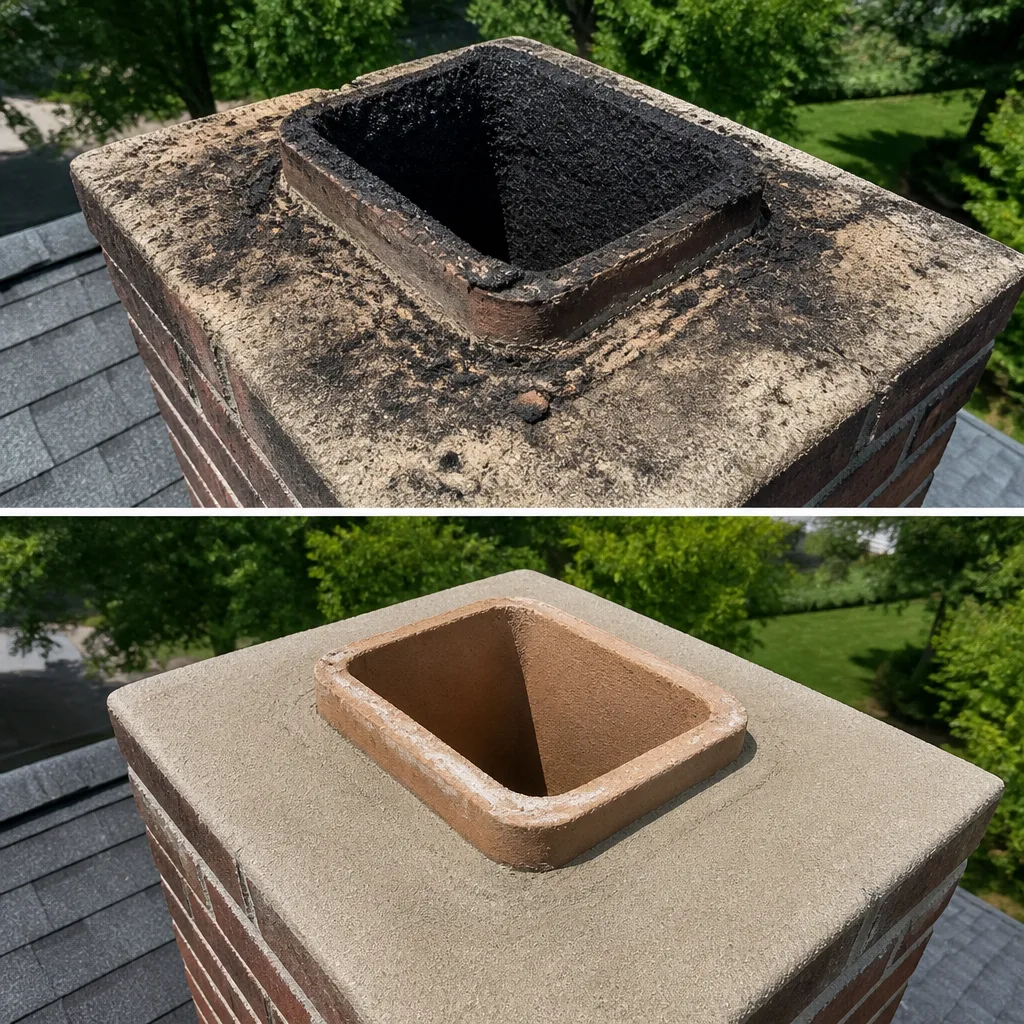
See the difference
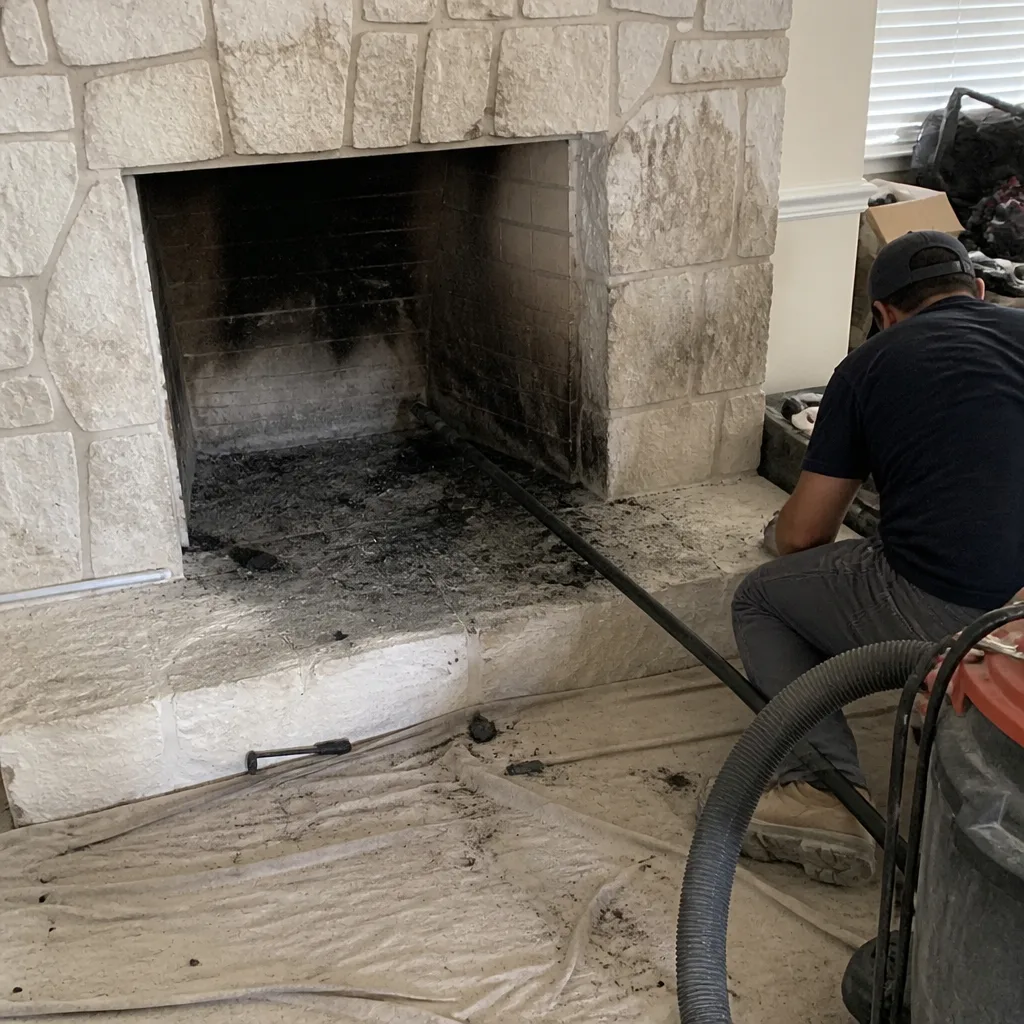 Before
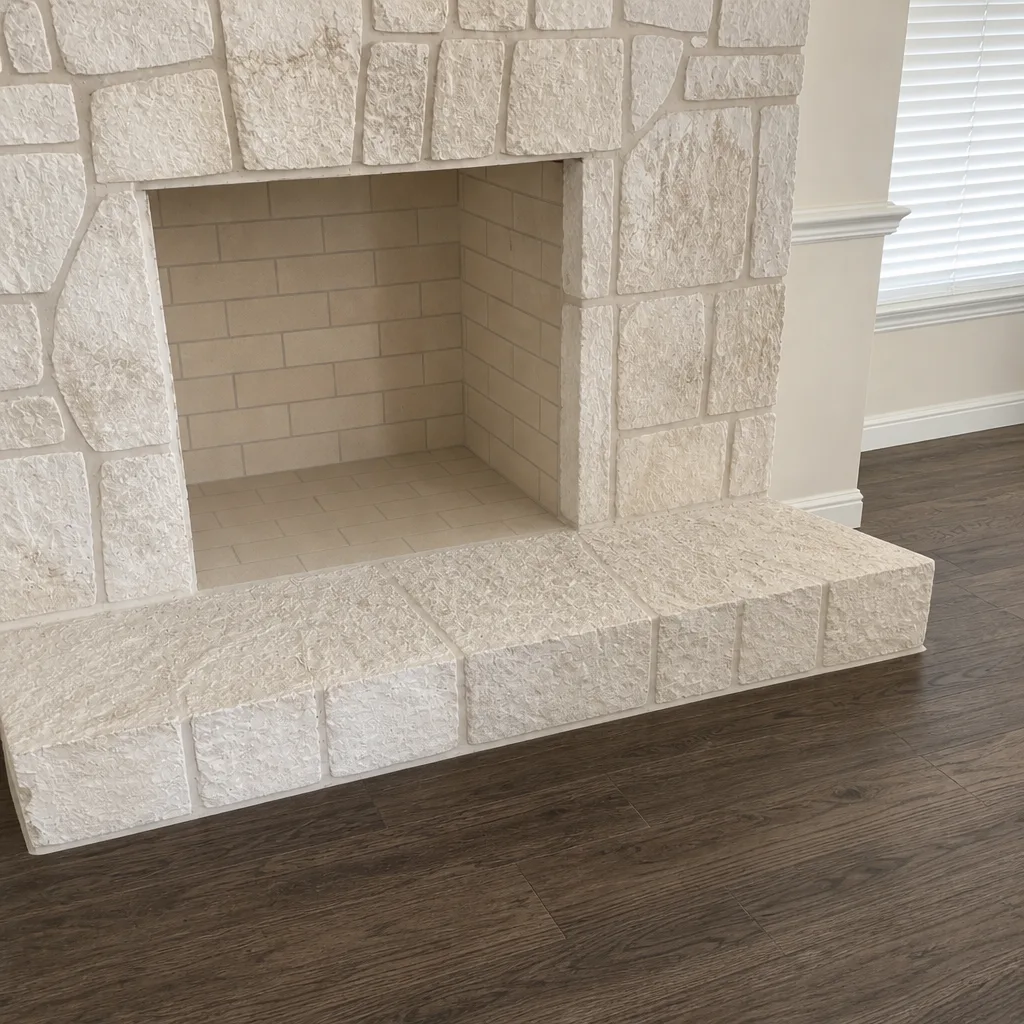 After
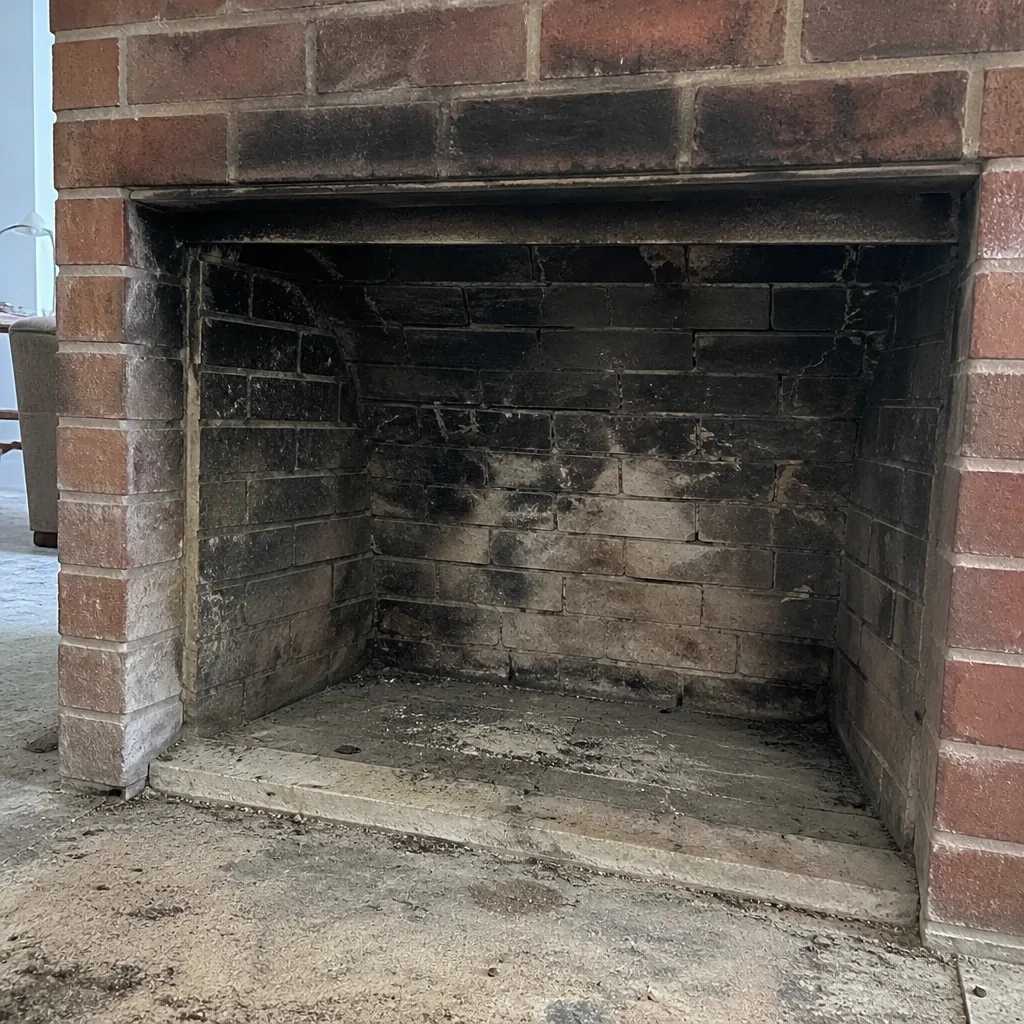 Before
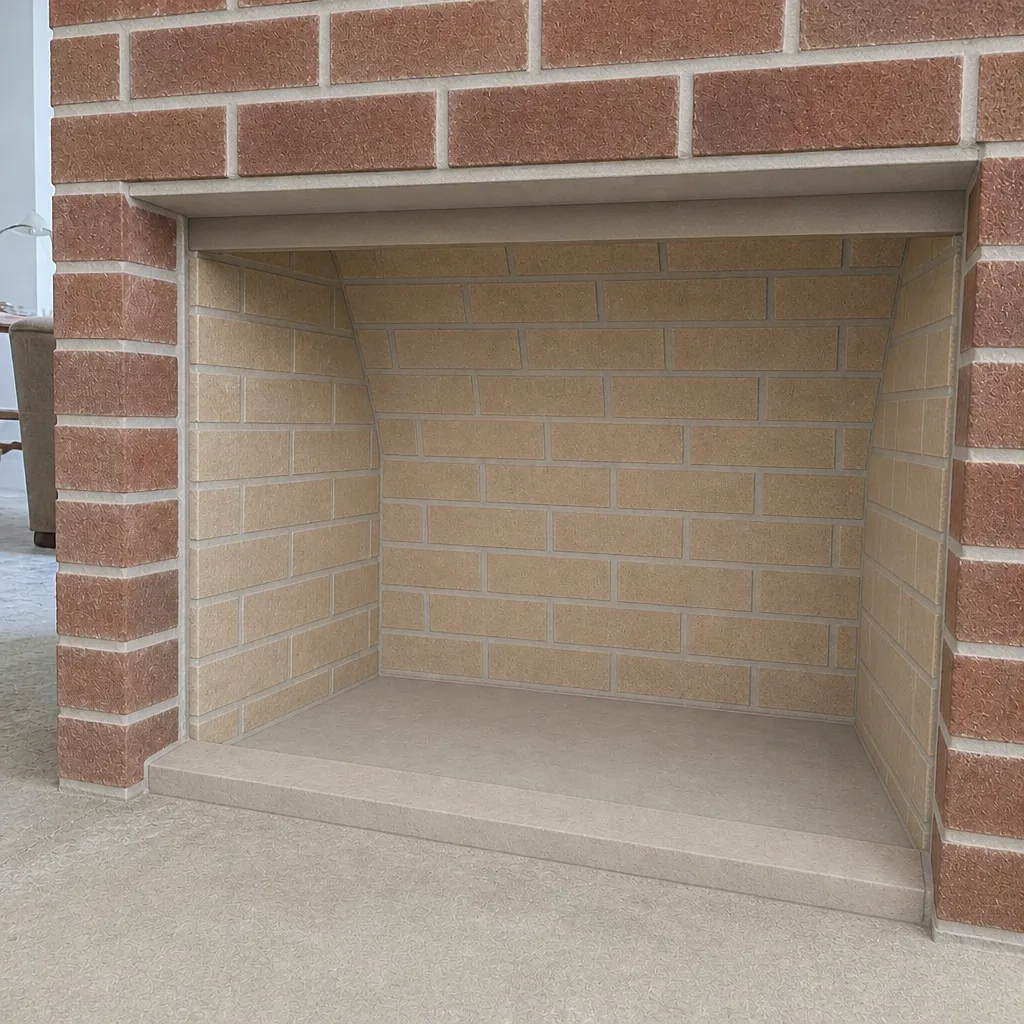 After
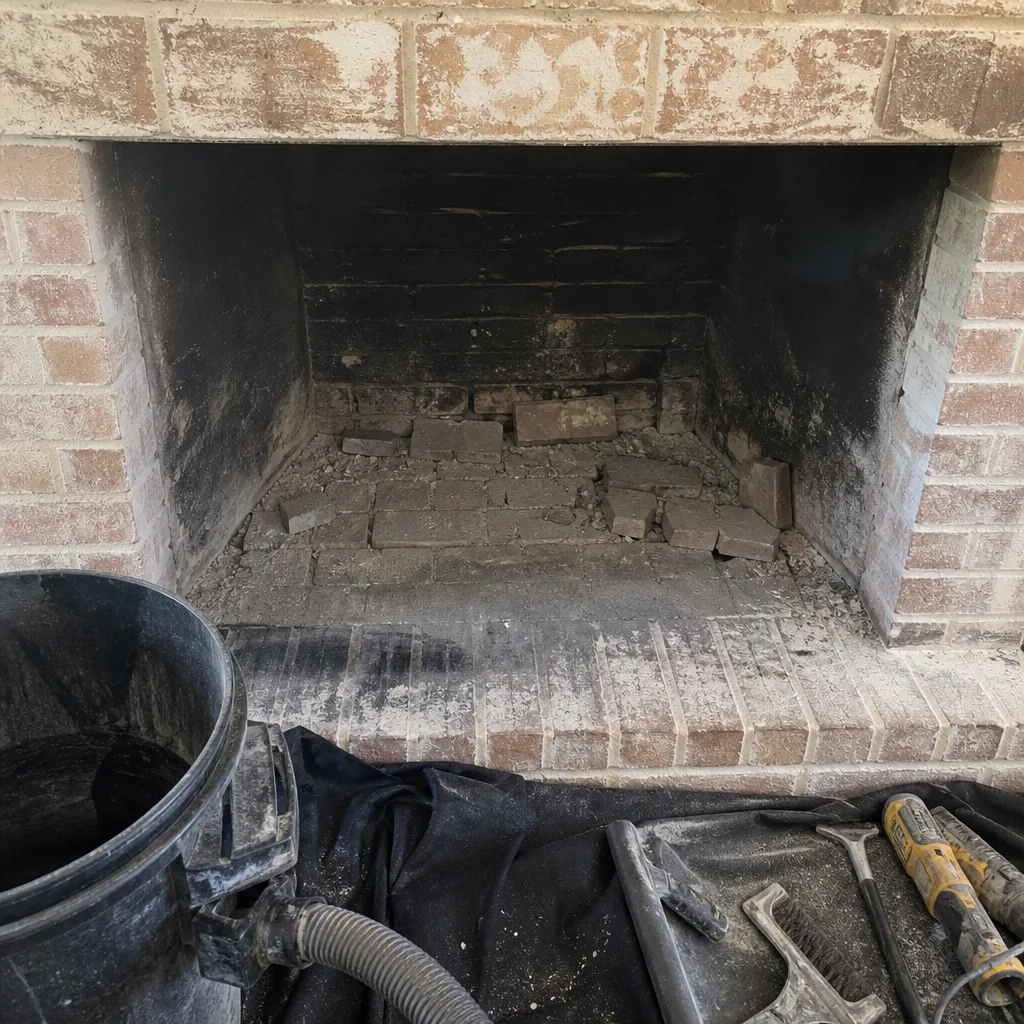 Before
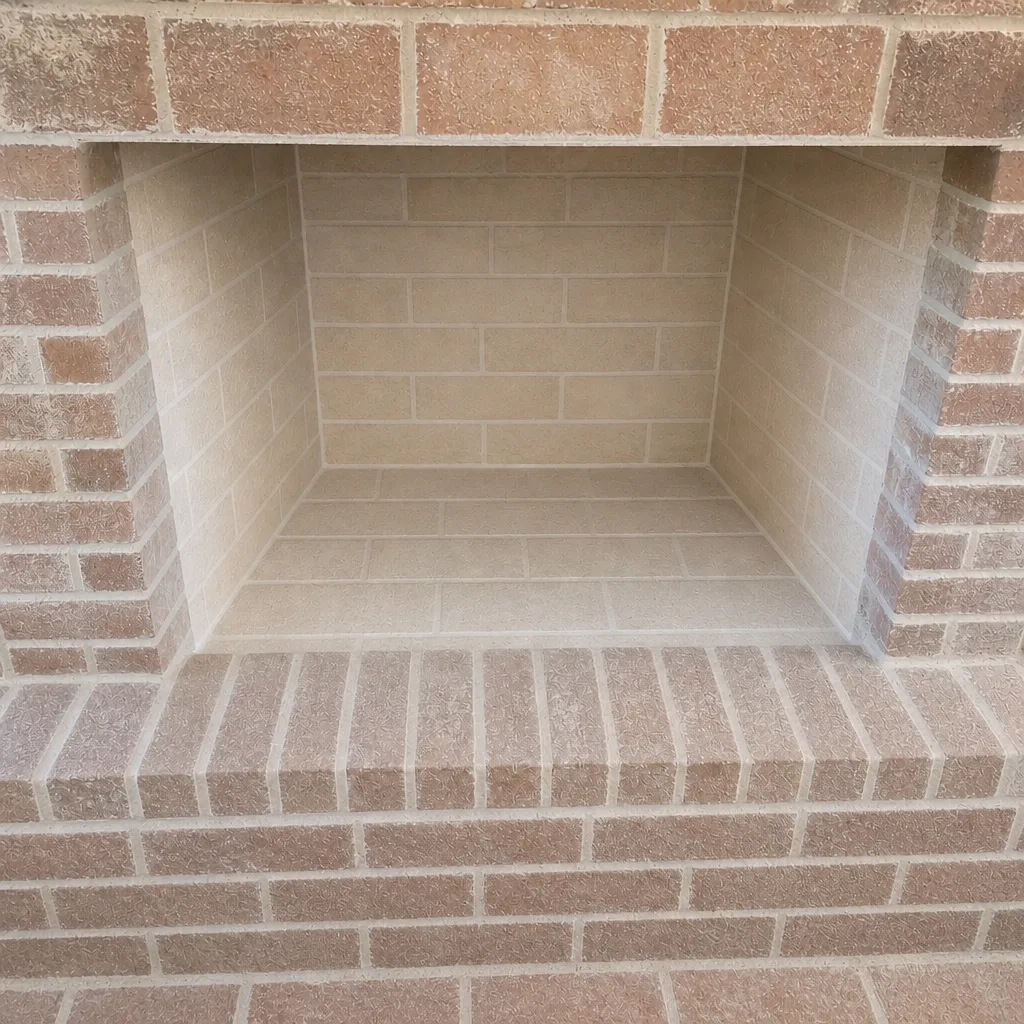 After
Frequently Asked Questions
You need a sweep if you burn wood with any regularity. Skipping it lets creosote accumulate in the flue, and creosote is what makes chimney fires possible. It also means small cracks and cap damage go unnoticed until they get expensive. If you’ve never had the chimney inspected and don’t know its condition, book a sweep before heating season. Call (888) 869-3130 for an exact quote – estimates are free.
Ask which certifying body issued the certification and request a copy. CSIA and NFI are the two that matter. A contractor who says “we’re certified” but can’t name the body or produce documentation is not certified in any verifiable sense. That’s the whole check.
Photos or video of the flue interior before and after cleaning, a written description of conditions found, and clear recommendations with urgency levels. A verbal “looks good” is not a report, and a two-line receipt isn’t either. If you don’t get documentation, ask for it. A specialist will provide it without being asked.
It depends on the condition of the flue, and the right answer comes from camera footage. Resurfacing options like HeatShield can restore qualifying flues without full replacement. Ask to see the footage first and ask whether resurfacing is an option for your chimney. Nothing should be recommended without evidence you’ve seen yourself. Call (888) 869-3130 for a free estimate.
Pricing is set per job by written estimate, and the estimate is free. The cost depends on the flue condition, the home, and what’s included (sweep only vs. sweep with camera inspection and report). Compare quotes on scope and documentation, not price alone. Call (888) 869-3130 for an exact quote – estimates are free.
It’s a useful sign if they do. A company that handles both treats the two fire risks in a home as one safety conversation, which is how it should be handled. If your contractor doesn’t offer dryer vent cleaning, ask for a referral. Both are worth checking on the same home-safety cycle.
Why “I Don’t Trust the Recommendation” Is the Real Question
The biggest obstacle to hiring a chimney contractor isn’t finding one. It’s trusting one. Homeowners hesitate to approve liner or masonry work because they have no way to verify whether the recommendation is real or whether they’re being sold a bigger job than they need. That’s the honest fear, and a good contractor should address it without being asked.
Here’s how to protect yourself with no technical knowledge required:
- Ask for the evidence before the price. Camera footage first, quote second. That order tells you everything.
- Ask what happens if you wait. A specialist will tell you plainly which recommendations can safely wait, which need to be monitored, and which are urgent. If every recommendation is “urgent,” that’s a sales pattern.
- Take a picture of the quote and sleep on it. There’s no legitimate reason a chimney liner decision needs to be made on the same visit.
- Ask about resurfacing. They shouldn’t default to replacement unless the footage proves replacement is the only safe option.
That’s the standard we hold ourselves to in Corpus Christi. Nothing is recommended without camera evidence you can see for yourself, and we’ll tell you when work can safely wait. Our technicians have up to 9 years of experience, and we work with HeatShield resurfacing and DuraFlex liner systems so that “repair or replace” is a real conversation, not a one-option pitch.
What the Full Service Arc Looks Like
When you hire well, the relationship covers more than one service. A chimney sweep can clean the flue in a single visit. The same contractor can repair the flue if needed, resurface it when the condition allows, and clean the dryer vent on a schedule. That’s full-service chimney care, and it means one point of accountability for every combustion-related vent in your home.
The alternative is common in smaller metros: one contractor for the sweep, another for the liner, another for the dryer vent. Every handoff is a place where scope gets lost, evidence gets thin, and the homeowner ends up coordinating work between people who’ve never talked to each other. That’s why we do chimney sweeping, chimney repair, and dryer vent cleaning under one roof. It’s how we’ve built our practice in Corpus Christi, and it’s the model we recommend you look for wherever you hire.
If you’re new to this work, the place to start is a chimney sweep with a camera inspection. That visit tells you what the flue looks like now, and gives you a basis for any future conversation. If you’re not in Corpus Christi, our parent site can help you understand the full range of services: Starling Chimney Sweep. Dryer vent cleaning can be scheduled on the same visit or separately.
The Bottom Line
The chimney market in Corpus Christi favors specialists over generalists, and the way to find them is by asking the questions most homeowners never think to ask. Name the certifying body behind the certification. Verify the certificate of insurance before the visit. Get a written scope, a written price, and camera footage of the flue. Never approve a liner repair without seeing the evidence. Ask whether resurfacing is an option before assuming replacement is inevitable. And remember that the contractor who pushes back on documentation is telling you something important. That checklist will serve you on every chimney visit for as long as you own your home. The work is worth doing right.
Contact
If you’re ready to book a sweep in Corpus Christi, we’re here to make the process clear and the work documented. Call (888) 869-3130 for a free estimate. We answer 24/7. Fast dispatch from 7am to 7pm, Sunday through Friday. You’ll get a written scope, camera photos of your flue, and a recommendation you can take your time with. That’s what a chimney visit should look like, every time.
Written by the team at Starling Chimney Sweep.