
Last updated November 15, 2026
 Sweep & inspection
 Caps & crowns
 Flue relining
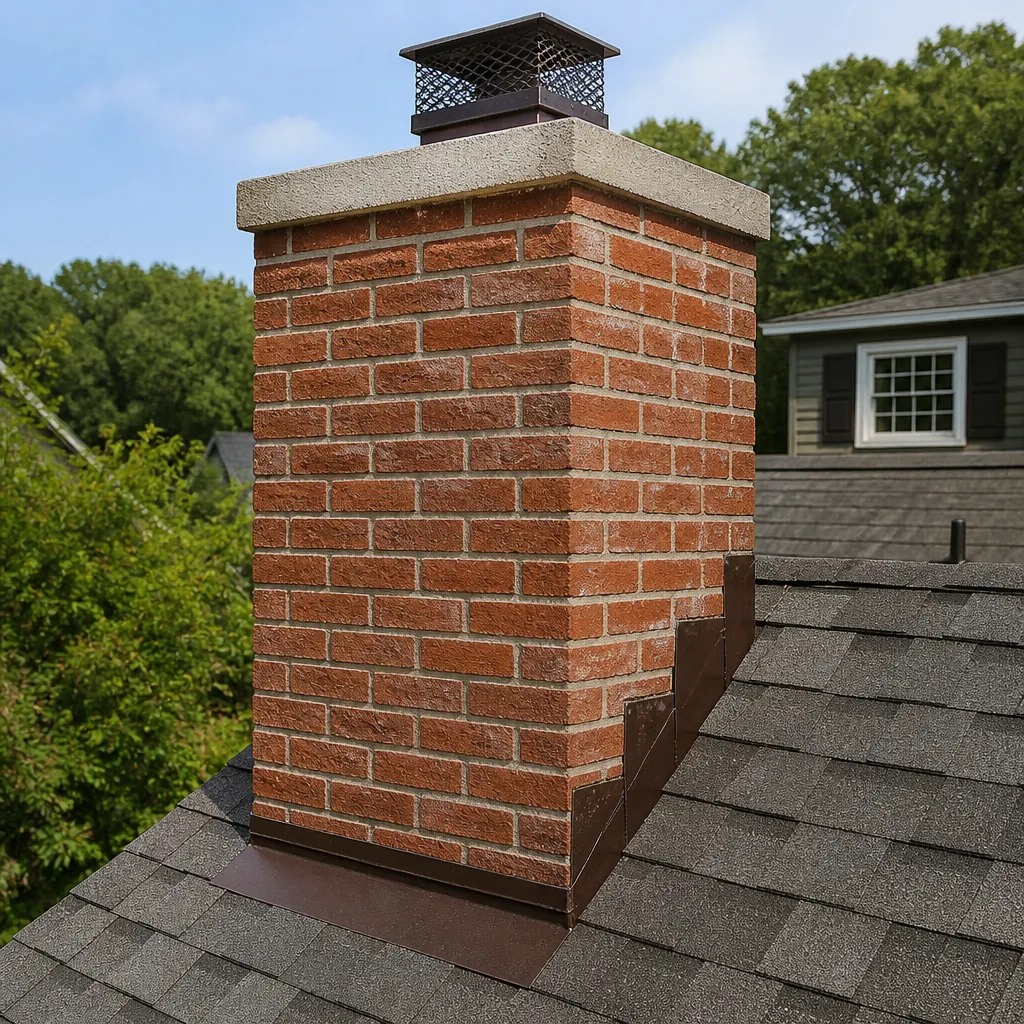 Masonry repair
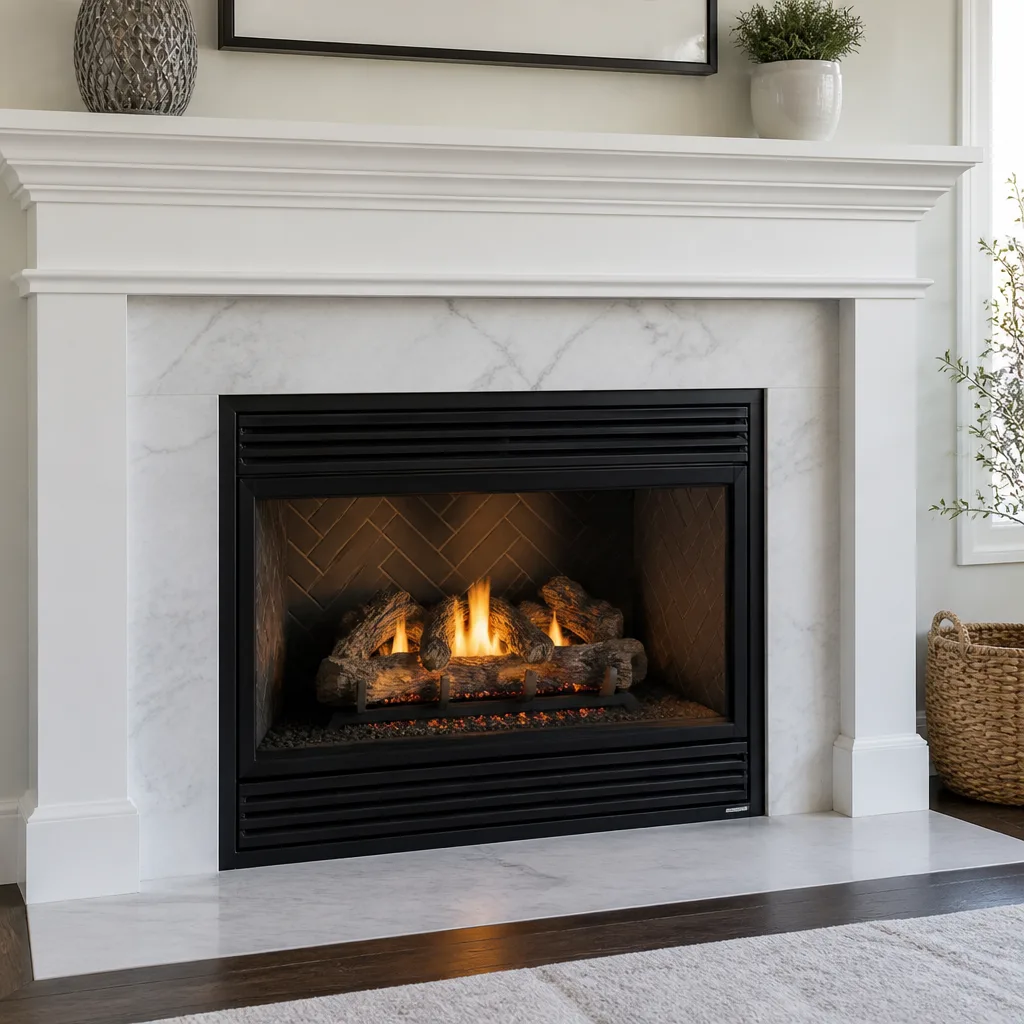 Gas fireplace service
Level 1 sweep and inspection to the NFPA 211 annual standard - flue, crown, cap, and flashing checked and photographed
Chimney sweep logs do not sweep chimneys. They loosen some creosote - which then falls where a brush and vacuum still have to collect it.
Chimney Sweep Maintenance Checklist for Corpus Christi Homeowners
The most dangerous item on any chimney inspection isn’t creosote. It’s the thing the homeowner already checked off as “fine” because they didn’t know what a problem actually looks like. A flue liner with a hairline crack looks perfectly normal from the firebox. A crown with one small separation looks like brickwork doing its job. A dryer vent packed with lint behind the wall gives no sign at all until it does. This checklist is built differently from the generic ones: instead of telling you what to look at, it tells you what you’re looking for, with pass/fail criteria you can apply yourself before you ever pick up the phone. What follows is a practical maintenance schedule for Corpus Christi homes, organized around the failure points we actually see here.
Quick Answer
A chimney sweep maintenance checklist for Corpus Christi typically covers six checks: an annual professional sweep and inspection before heating season, an exterior masonry and crown review, a cap inspection for wind damage, a flashlight test of the flue liner from the firebox opening, a damper function test, and dryer vent cleaning folded into the same yearly schedule. Most homes here need the professional sweep once a year, with the homeowner-level visual checks done once in spring and again before the first burn of fall.
Styles & brands we work with
- Sweep & inspection
- Caps & crowns
- Flue relining
- Masonry repair
- Gas fireplace service
Table of Contents
- How Often Should You Do Each Chimney Check in Corpus Christi?
- What Should You Look For on the Exterior Masonry?
- Cap and Crown Inspection for a High-Wind Environment
- The Interior Liner Flashlight Test You Can Safely Do
- Damper Function Test in a Humid Climate
- Why Dryer Vent Cleaning Belongs on the Same Schedule
- Your Seasonal Calendar: Before Heating Season and After Dormancy
- Common Mistakes to Avoid
- When to Call a Professional
How Often Should You Do Each Chimney Check in Corpus Christi?
Once a year for the professional sweep and inspection, and twice a year for the visual checks you can do yourself. That’s the short version. The reason the professional visit is annual rather than “when it looks dirty” is that the problems most worth catching early, like a flue liner losing its seal or a crown beginning to separate from the chimney, don’t announce themselves through visible soot in the firebox. By the time a chimney looks bad to a homeowner, the underlying issue has usually been developing for a while.
Here’s how the full schedule breaks down by task:
- Professional sweep and inspection: once per year, ideally before heating season starts.
- Exterior masonry walk-around: twice per year, in spring and again before the first burn in fall.
- Cap and crown visual check from the ground: twice per year, and after any significant wind event.
- Flue liner flashlight test: twice per year, at the same time as your masonry walk-around.
- Damper function test: before every heating season, and any time the fireplace has sat unused for months.
- Dryer vent cleaning: once per year on the same schedule, or sooner if any warning sign appears.
For homes in Corpus Christi with a wood-burning fireplace used regularly through our mild winter, an annual sweep is the right cadence. If you burn only a few fires a year, the professional inspection is still annual, because the inspection is really about the chimney’s structure and venting, not just how much soot accumulated. Homes that have sat dormant for a season or more are the ones most likely to reveal a problem on the first inspection, since small issues had a whole year to develop without anyone looking.
The reason we anchor the professional visit to “before heating season” rather than a fixed calendar date is that it puts the inspection ahead of the time of year when the chimney actually has to perform. A problem found in September is something you have time to address at your convenience. A problem found on the first cold night of the year, when you’ve already lit a fire, is a problem you have to solve in a hurry. Scheduling the annual chimney sweep ahead of the season is the calmer path by a wide margin.
What Should You Look For on the Exterior Masonry?
On a Corpus Christi home, the exterior masonry check has one job: distinguishing normal weathering from the failure pattern that means the brick is losing its structural integrity. Normal weathering on South Texas brick looks like a uniform, gradual dulling of the surface color with some fine surface dust. What you’re looking for instead is a change in texture: brick faces that are flaking, crumbling, or peeling away in thin layers, leaving a rough, pitted surface where there was a smooth face before. That’s spalling, and it means moisture is getting into the brick and pushing back out.
Run your hand along a section of exterior chimney brick, low down and again near the top if you can reach safely from the ground. Pass/fail criteria:
- Pass: the surface feels solid and uniform in texture. Color variation from top to bottom is normal.
- Fail: brick faces feel grainy, pitted, or flake off when you rub them. Any brick where a whole face is missing is a fail.
- Pass: mortar joints are full and firm to a light touch.
- Fail: mortar joints are recessed, crumbly, or easily dug out with a fingernail. Any visible crack in the mortar wider than a hairline is worth flagging.
Also look at the base of the chimney where it meets the roof, and along the roof-to-chimney seam. Staining down the masonry face below the roofline is a sign that water is getting in somewhere above. On Corpus Christi homes, the flue needs to shed heavy rain from summer storms and it needs to handle the temperature swing between a hot afternoon and a cool morning without trapping moisture inside the masonry. A mortar joint that’s started to fail will pull in water, and once the brick behind it stays wet, the spalling accelerates.
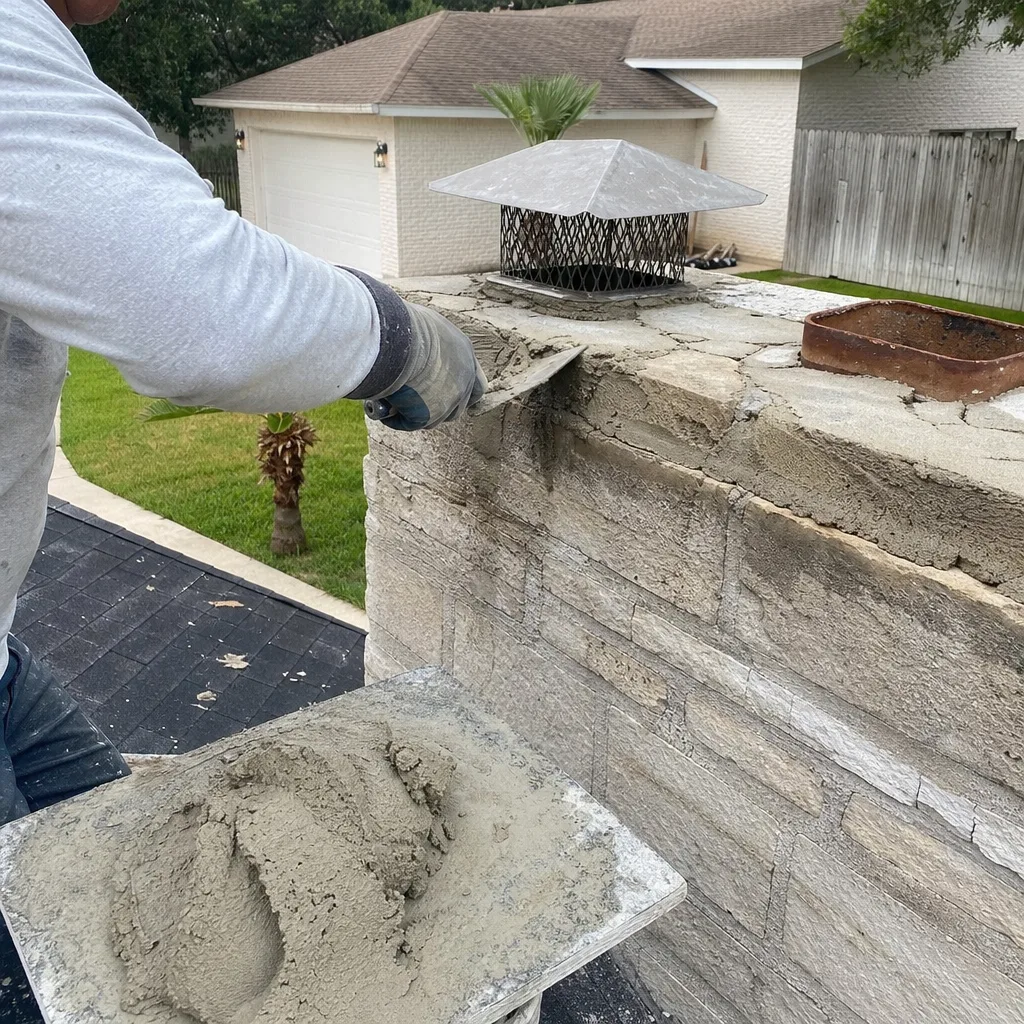
What spalling actually means for you: the brick face is no longer protecting the softer brick body underneath, and the chimney is absorbing moisture it wasn’t designed to absorb. Left alone, what starts as cosmetic flaking becomes a masonry repair. We handle chimney repair as one of our three core services specifically because surface masonry issues are the most common repair call we get after the annual inspection. If your mortar is failing, the correct fix is usually repointing, not cosmetic sealing, and that’s a job for someone who works on chimneys specifically.
Cap and Crown Inspection for a High-Wind Environment
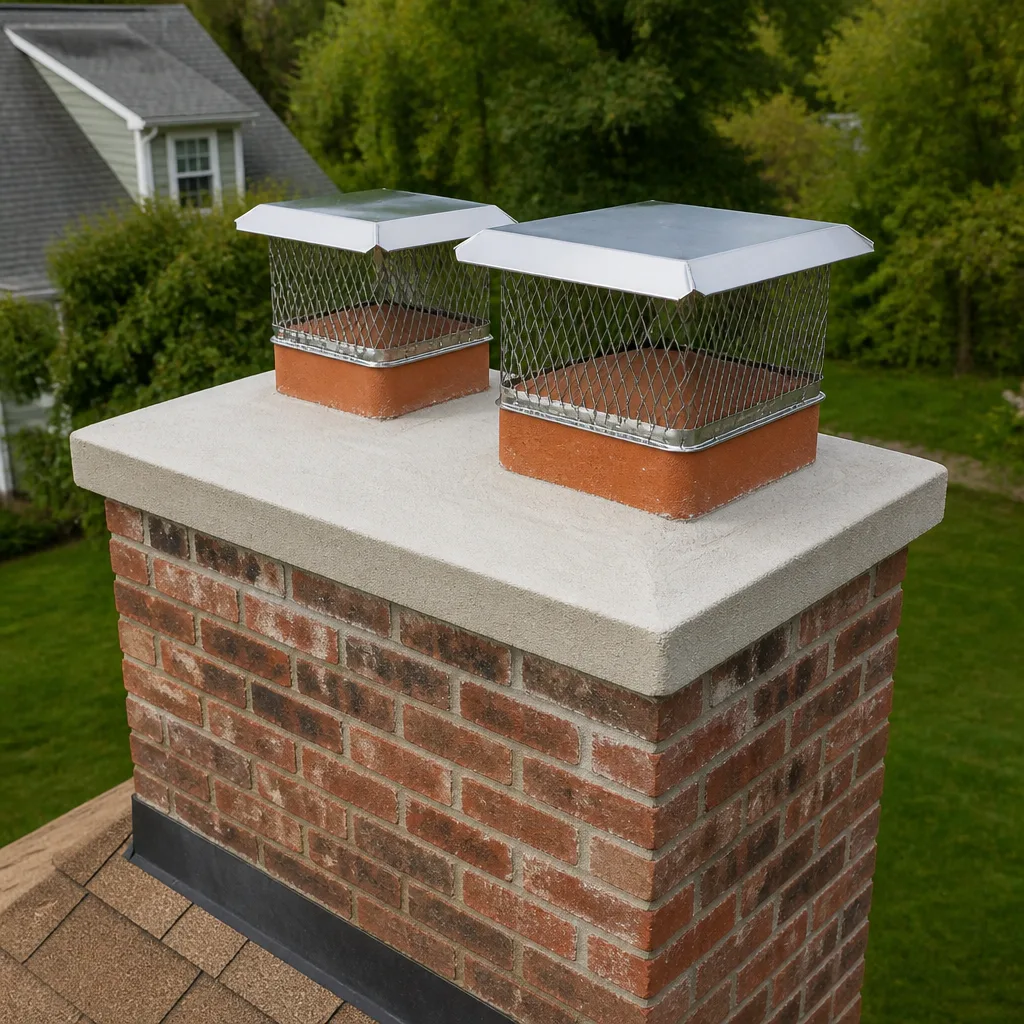
The cap and crown are the two parts of your chimney that take the most punishment from wind, and Corpus Christi gets wind that puts real load on both. The crown is the sloped concrete or masonry slab at the very top of the chimney that sheds water away from the flue. The cap is the metal or masonry cover sitting above the flue opening, designed to keep rain, debris, and animals out. Both need a check at least twice a year, and again after any significant storm.
For the crown, the pass/fail criteria are:
- Crown intact and sloped: the crown should have a clear pitch away from the flue. Pass.
- Hairline surface cracking: fine cracks in the top surface are worth noting but not urgent if the pitch still sheds water. Monitor.
- Any crack that reaches the flue: even a narrow crack at the flue-to-crown seam is a fail. Water runs into the crack and down the outside of the flue liner.
- Any crown section separated from the chimney body: fail. This is the failure pattern high wind causes most often.
For the cap:
- Secure and level: pass. Check that the cap isn’t tilted or shifted off-center.
- Loose fasteners or lifting edges: fail. A cap that’s starting to lift will come off in the next strong wind.
- Visible rust-through: fail. A rusted-through cap is no longer keeping rain out.
- Birds or nesting material visible around the cap: fail, needs a professional look. This is a case where the cap was either missing or not sized correctly.
The bird connection is something we care about specifically. Starlings are one of the most common birds to nest inside unprotected flues, and a chimney with a missing or loose cap is exactly what they look for. A nest in the flue blocks the draft, and a blocked flue is a carbon monoxide risk if the fireplace is used before the nest is cleared. The cap is the first line of defence, and it’s cheap to inspect compared to what a blocked flue costs to resolve.
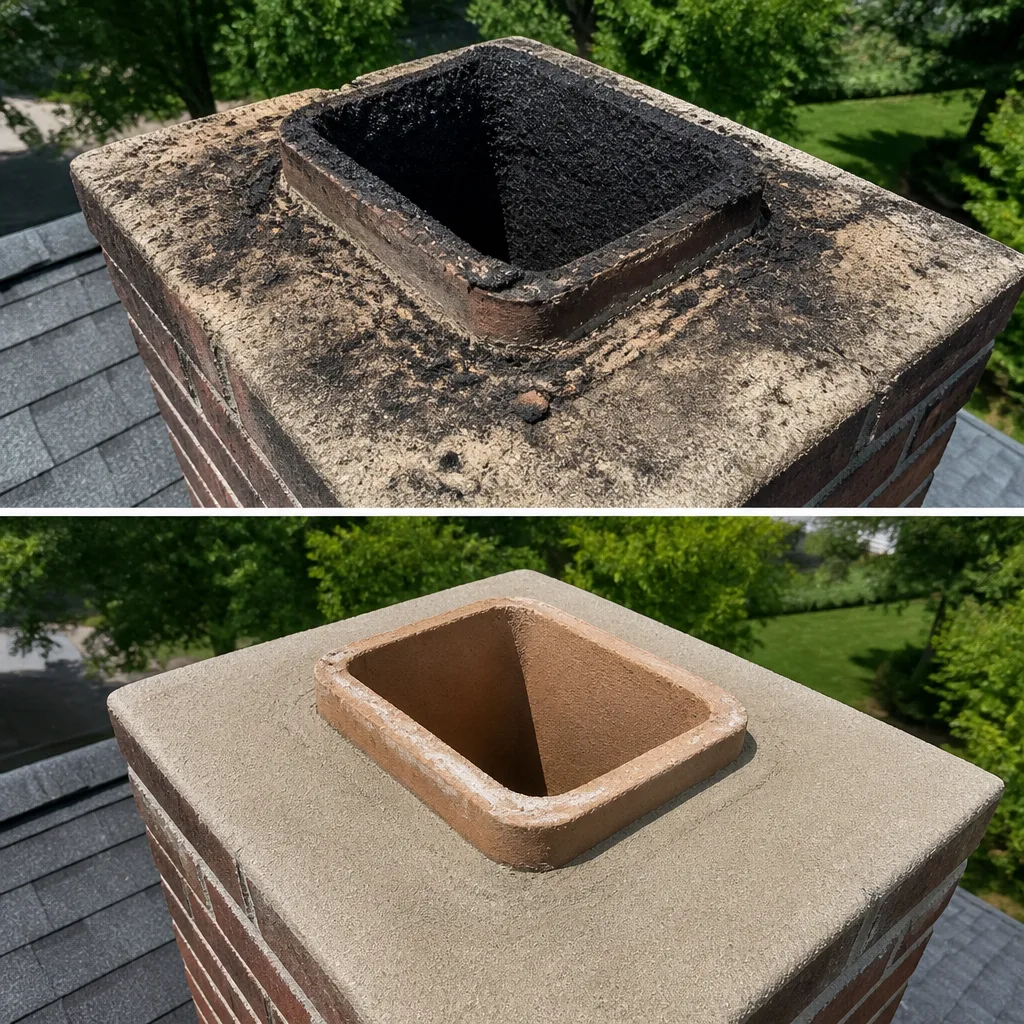
On Corpus Christi homes, the specific failure pattern we see most often is a crown that’s developed a separation at the flue-to-crown seam after a summer of thermal cycling, followed by wind pushing water into that seam through the fall. If the crown is failing but the masonry above and below is sound, crown repair is usually the fix. Once that separation is visible from the ground, that’s the point to get it looked at rather than the point to wait and see.
The Interior Liner Flashlight Test You Can Safely Do
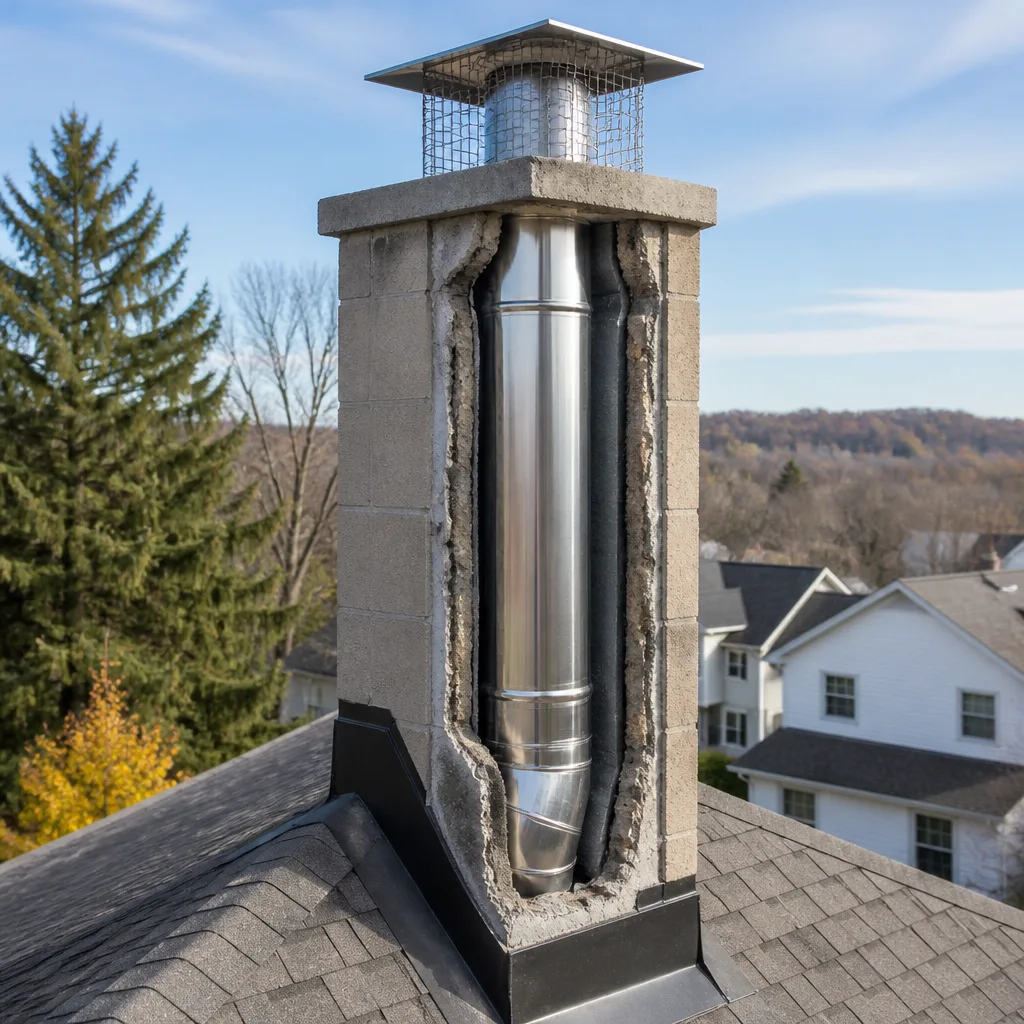
The flue liner is the innermost channel the smoke and combustion gases travel up, and its job is to keep those gases inside the chimney and away from the wood framing of the house. Most homes in Corpus Christi with a wood-burning fireplace have a clay tile liner, a metal liner, or a cast-in-place liner; the inspection question is the same regardless. You can do a basic visual check yourself from the firebox opening, with a flashlight, without climbing anything and without opening any part of the chimney. This is a visual test, not a DIY repair, and nothing about what you observe should lead you to try to fix the liner yourself.
Here’s the safe procedure:
- Make sure the fire is fully out and the firebox is cool. Do not attempt this after a fire, even a small one.
- Open the damper fully.
- Shine a strong flashlight up the flue from the firebox opening and look for the inner surface of the liner.
- Look specifically for the flash of light coming through a gap, a crack, or a missing section of liner. You’re not looking for soot, which is normal. You’re looking for light where light shouldn’t be.
- Note any visible gap at the damper frame, at the smoke chamber above the damper, or at the top of the firebox opening.
Pass/fail criteria:
- Pass: the liner surface is continuous and unbroken. Soot coating is normal and does not indicate a problem.
- Fail: any visible crack, gap, or missing tile section. Stop using the fireplace until a professional has looked at it.
- Fail: any visible light coming through the liner wall. A cracked flue liner allows combustion gases into living spaces, and that’s the case where you don’t use the fireplace at all until it’s inspected.
We want to be direct about the safety piece here. Carbon monoxide is invisible, and a liner with a crack can vent combustion gases into the house even when the fire is drawing normally. If your flashlight test shows a fail, don’t burn another fire until a professional has seen the chimney. We work with HeatShield resurfacing as one of our repair options because it can seal hairline cracks in qualifying chimneys without a full liner replacement, which is both a money saver and less invasive when the liner is otherwise sound. For liners that can’t be resurfaced, we work with DuraFlex liner systems, and the written estimate will tell you which route applies to your specific chimney before any work is booked.
Damper Function Test in a Humid Climate
The damper is the plate above the firebox that you open to burn a fire and close to keep the house from losing heat up the chimney when the fireplace is idle. In Corpus Christi’s humid air, the damper is one of the parts most likely to go stiff or corroded from sitting unused, and a stiff damper is a bigger problem here than in a drier climate because the corrosion tends to happen quietly over the off-season. A damper that opens three-quarters of the way still looks open to a homeowner, and the fireplace will still burn, just badly.
The test takes under a minute:
- Open the damper fully. It should move through its full range of travel without binding.
- Look up at the damper plate. It should sit flat and fully horizontal when open, not tilted partway.
- Close it fully. It should seat completely, not hang slightly open.
- Open and close it a second time to check that the motion is smooth and consistent.
Pass/fail criteria:
- Pass: the damper opens fully, closes fully, and moves smoothly through its range.
- Fail: the damper binds, sticks, or needs force to move. Fail if it doesn’t fully open or fully seat when closed.
- Fail: visible rust or corrosion on the damper plate or the hinge mechanism.
A damper that’s partially stuck open will let smoke drift back into the room on the first fire of the season, and a damper that won’t fully close is a heat loss every hour the fireplace isn’t burning. Both are addressed quickly by a professional, and both are on the checklist because a stiff damper in our climate is one of the simplest early warnings that the fireplace has been sitting close to a year without a look. If the damper is functional but the chimney is due a sweep anyway, the annual visit is the right time to have the mechanism checked and lubricated with a proper high-temperature product rather than whatever’s in a garage toolbox. We use Gelco components when a damper or other access part needs replacing, because they’re rated for the heat the damper actually sees.
Why Dryer Vent Cleaning Belongs on the Same Schedule
Dryer vent cleaning belongs on the annual chimney schedule because it’s the same kind of risk in a different part of the house. Both a chimney and a dryer vent exist to carry heat and combustion byproducts safely out of the home, and both fail in the same way: lint or creosote accumulates, the airway narrows, heat builds up behind the blockage, and the material itself is flammable. The NFPA identifies dryers as a leading cause of residential fires, and a clogged vent is the mechanism. A home where the annual chimney visit is scheduled but the dryer vent is never looked at is a home with half its combustion-safety picture covered.
Physical signs the dryer vent is overdue, regardless of when it was last serviced:
- The dryer takes noticeably longer to dry a normal load, usually a second cycle where one used to do.
- The outside of the dryer is hot to the touch during operation, or the laundry room feels noticeably warmer than the rest of the house when the dryer is running.
- Lint is visible around the outside vent hood, or the hood flap doesn’t open fully during a cycle.
- You can’t remember the last time the vent was cleaned. This is the most reliable sign of all, because most homeowners have no schedule for it.
- There’s a burning smell during the dry cycle, however faint. That’s not a faint smell to ignore.
For landlords and property managers, the annual dryer vent cleaning is also a tenant safety item worth having on file, since the compliance conversation around vent cleanliness typically starts from the same NFPA guidance. For homeowners, it’s simply a piece of home maintenance that’s easy to forget because nothing visibly breaks when it’s overdue. The dryer keeps running, just hotter and slower than it should.
We offer dryer vent cleaning as a core service rather than an afterthought, and our recommendation is to put it on the same annual schedule as the chimney. One visit, one calendar reminder, both vents handled by the same team. That’s the point of full-service chimney care: your home has two combustion-venting systems, and they deserve the same attention on the same cadence. We use Famco venting products on the dryer side where a vent component needs replacement.
Your Seasonal Calendar: Before Heating Season and After Dormancy
Two moments in the year matter more than any other for chimney maintenance: the weeks before heating season begins, and the transition out of a long dormant period. In Corpus Christi, “heating season” is gentle, but the fireplace still sees real use through the cooler months, and the chimney still needs the same structural and venting inspection that any chimney needs. The schedule below assumes a wood-burning fireplace, a gas insert may have a different inspection cadence, and the annual inspection will confirm which applies to your setup.
Before heating season (late summer into early fall):
- Book the annual professional sweep and inspection.
- Do your exterior masonry walk-around and flashlight liner test.
- Do the damper function test.
- Look up at the cap and crown from the ground, or with binoculars.
- Schedule the dryer vent cleaning on the same booking.
After a long dormancy (any home that’s sat a season or more without use):
- Don’t light the first fire until the flue has been inspected. A dormant chimney can hold a bird nest, a fallen cap, or a collapsed liner piece that wasn’t there when the house last had a fire.
- Do the flashlight liner test before the first fire.
- Check the damper for stiffness caused by the layoff.
- Book the sweep before you burn, not after.
The reason we put “don’t light the fire before the inspection” first is that a dormant flue has had months to accumulate the kind of problem that the inspection exists to find. This is especially true of homes in Corpus Christi where the fireplace sat through a summer of heat and a winter of no use. The first fire of the season is exactly the wrong time to discover that the cap came off in a storm or that a bird got in. Book the inspection, then burn. And if you need to know whether you should call, our free estimates exist precisely for that question.
Common Mistakes to Avoid
- Skimping on the exterior check because the firebox looks clean. A clean firebox tells you nothing about the masonry or the crown. The exterior is where most of the repair issues we see in Corpus Christi start, and the firebox is the last place to show the problem.
- Treating the flashlight liner test as an optional extra. It takes a minute and it’s the single check most likely to catch a cracked liner before it becomes a combustion-gas problem. Skipping it because the fireplace has been working fine is the mistake that matters most.
- Assuming the annual sweep is only about soot. The sweep is the inspection, and the inspection is looking at structural and venting condition. A home with a light soot load can still fail the inspection on the liner or the crown.
- Letting the dryer vent fall off the schedule. Most homeowners have no annual vent cleaning date at all, and the vent doesn’t send a warning before it becomes a fire risk. Put it on the same booking as the chimney sweep and it stops being a to-remember item.
- Waiting until the first cold night to schedule. The pre-heating-season window is the right time because it lets you schedule the sweep calmly. A chimney problem discovered on the first cold night is a problem you have to sort out in a hurry, and it’s avoidable.
- Booking the sweep only when the fireplace looks dirty inside. The visible soot level and the structural condition are two different things. An annual inspection catches the second regardless of the first.
- Assuming a stiff damper just needs more force. A damper that binds has a reason, usually corrosion from sitting idle in our humid air. Forcing it can damage the mechanism, and the damper usually isn’t the right thing to force.
For a more general look at how the sweep and inspection fit together, our chimney sweep page walks through the full visit. If you’re deciding what’s due for your particular home, that’s the place to start.
When to Call a Professional
Call a professional if any of the following apply: your flashlight liner test shows a crack, gap, or light coming through the liner wall; your exterior masonry shows spalling brick, crumbly mortar, or visible cracks in the crown; the cap is loose, rusted through, or missing; the damper binds, sticks, or won’t fully close; you’ve had a chimney fire, or suspect you’ve had one; the chimney has sat dormant for a season or more without an inspection; or it’s simply been more than a year since the last professional sweep. Any of these is a reason to book rather than a reason to watch and wait, and the annual inspection is what keeps the list short in the first place.
Our technicians have up to 9 years of experience on exactly these checks, and the estimate is free. Starling Chimney Sweep offers free estimates in Corpus Christi. Call (888) 869-3130. We answer 24/7. Fast dispatch from 7am to 7pm, Sunday through Friday. Nothing is recommended without evidence you can see for yourself, and the written estimate sets the final price before any work is booked.
See the difference
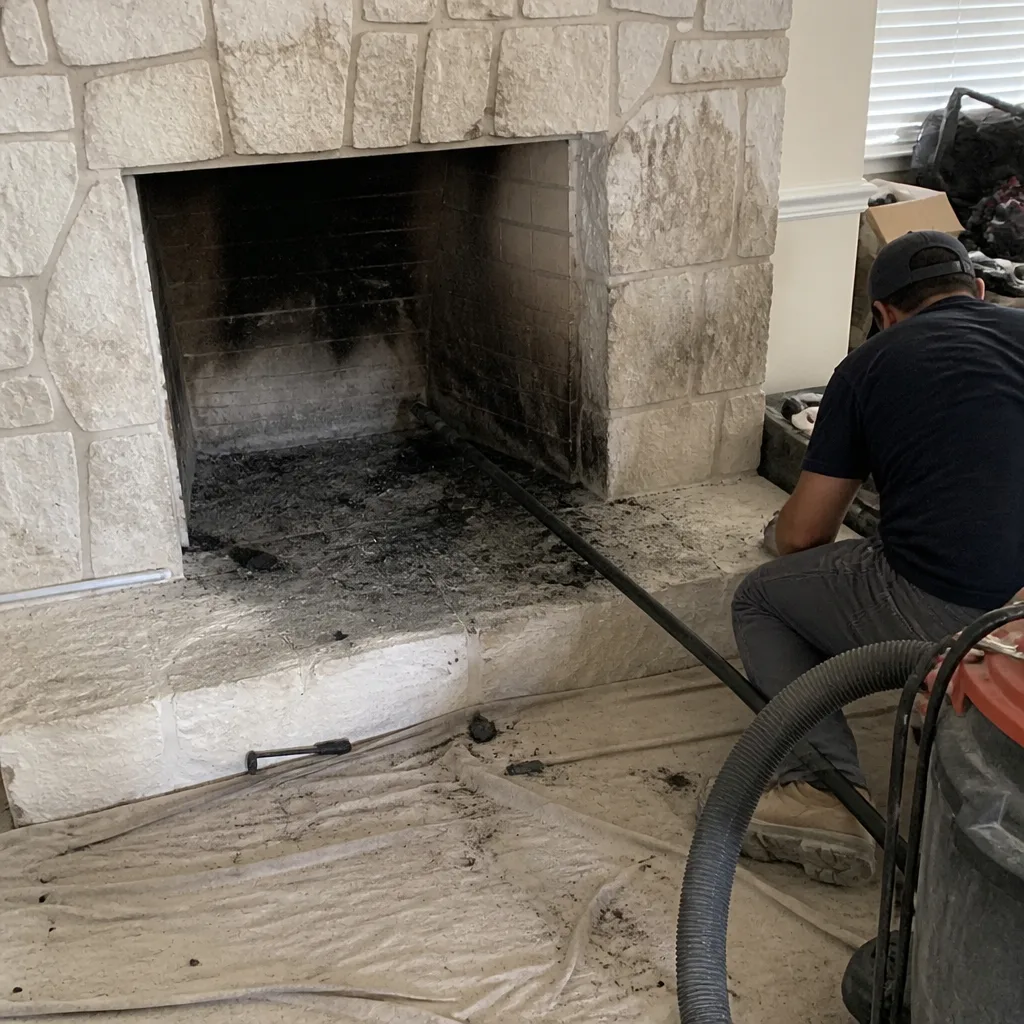 Before
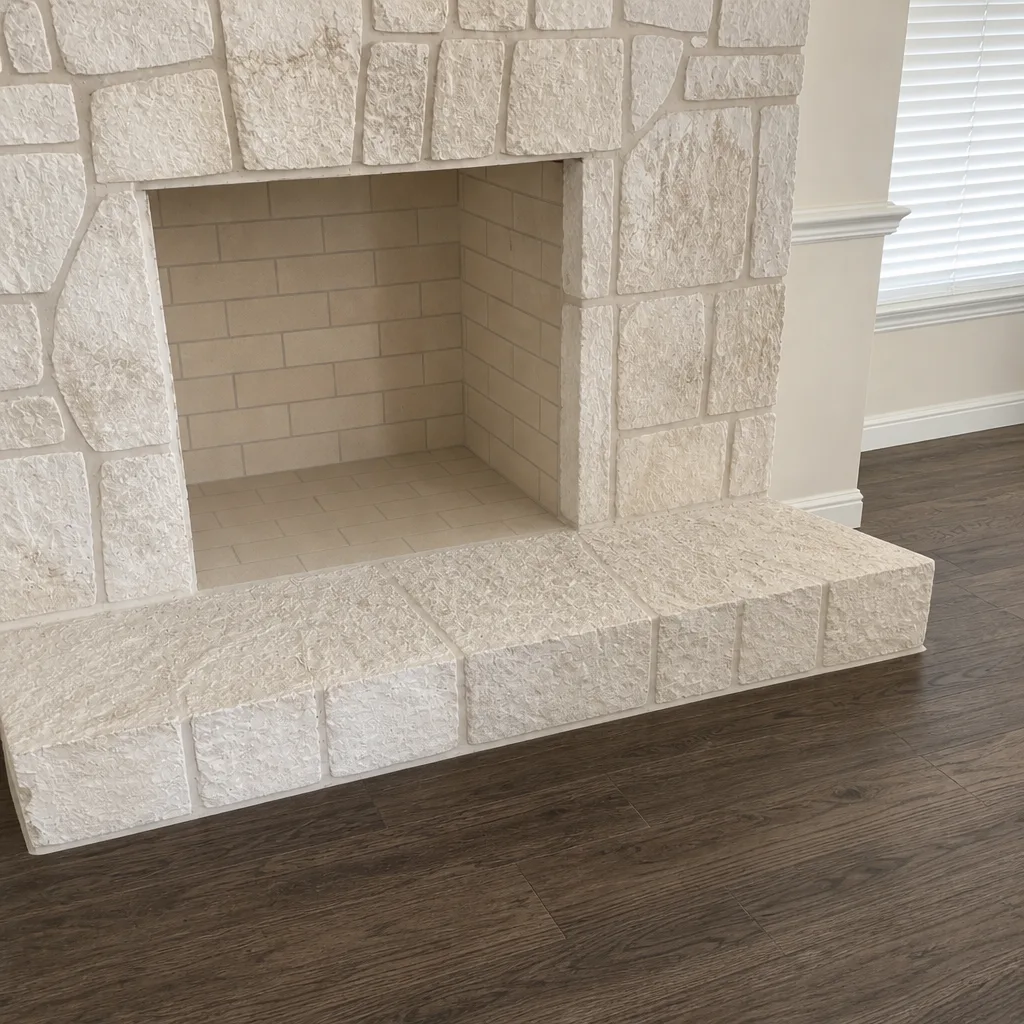 After
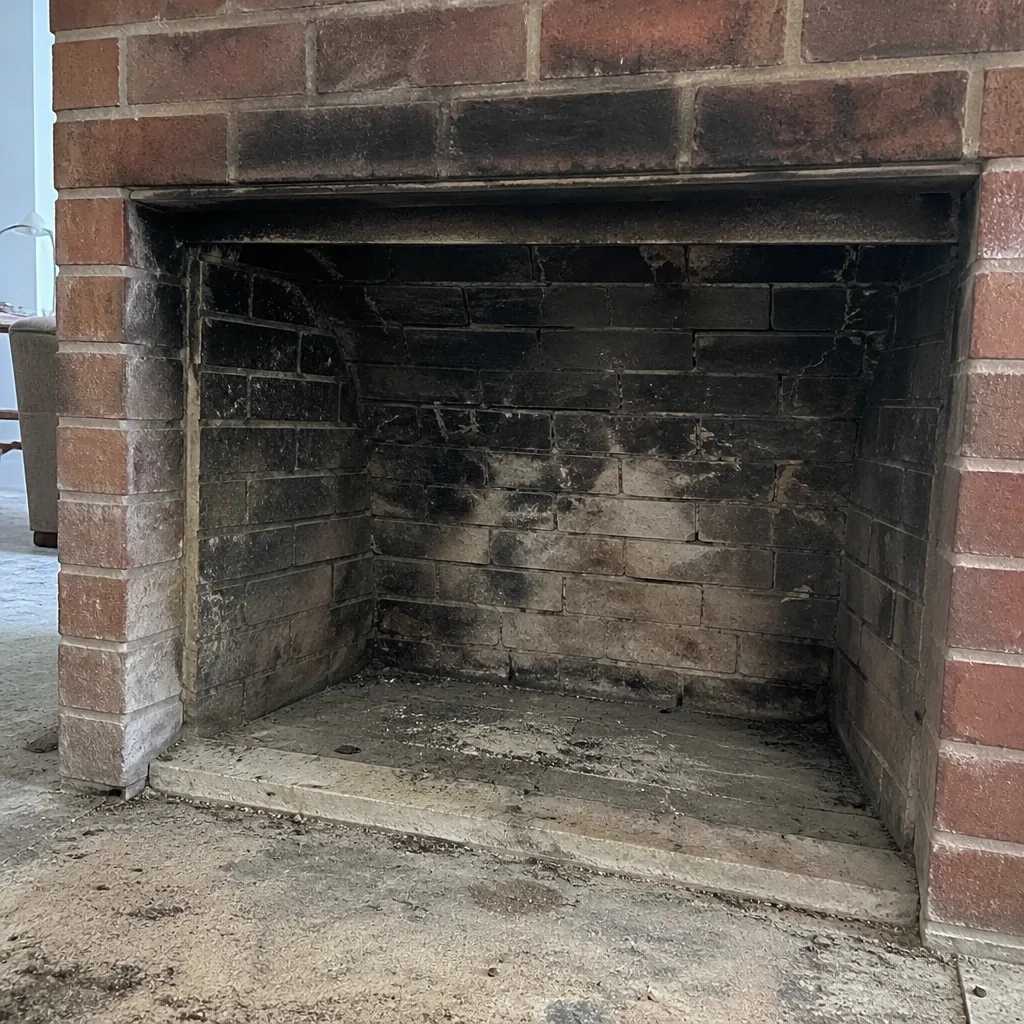 Before
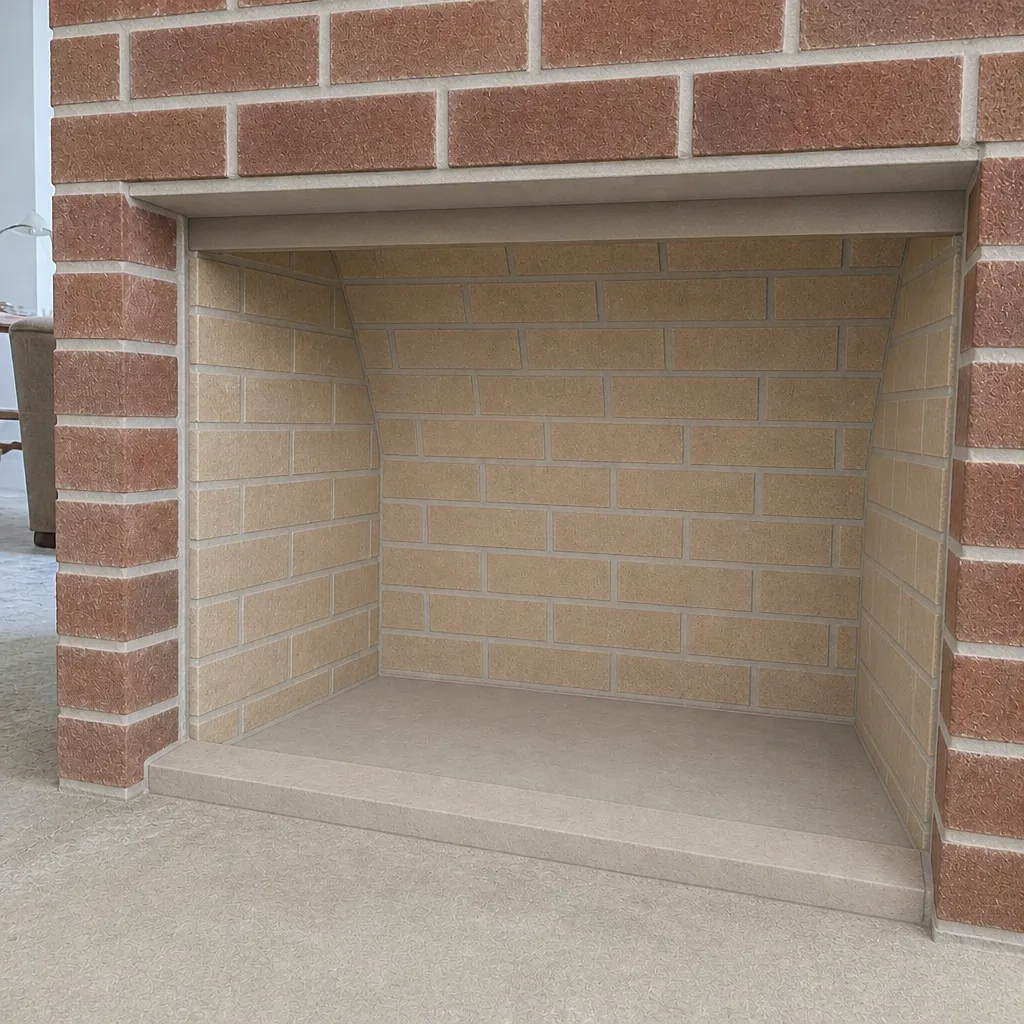 After
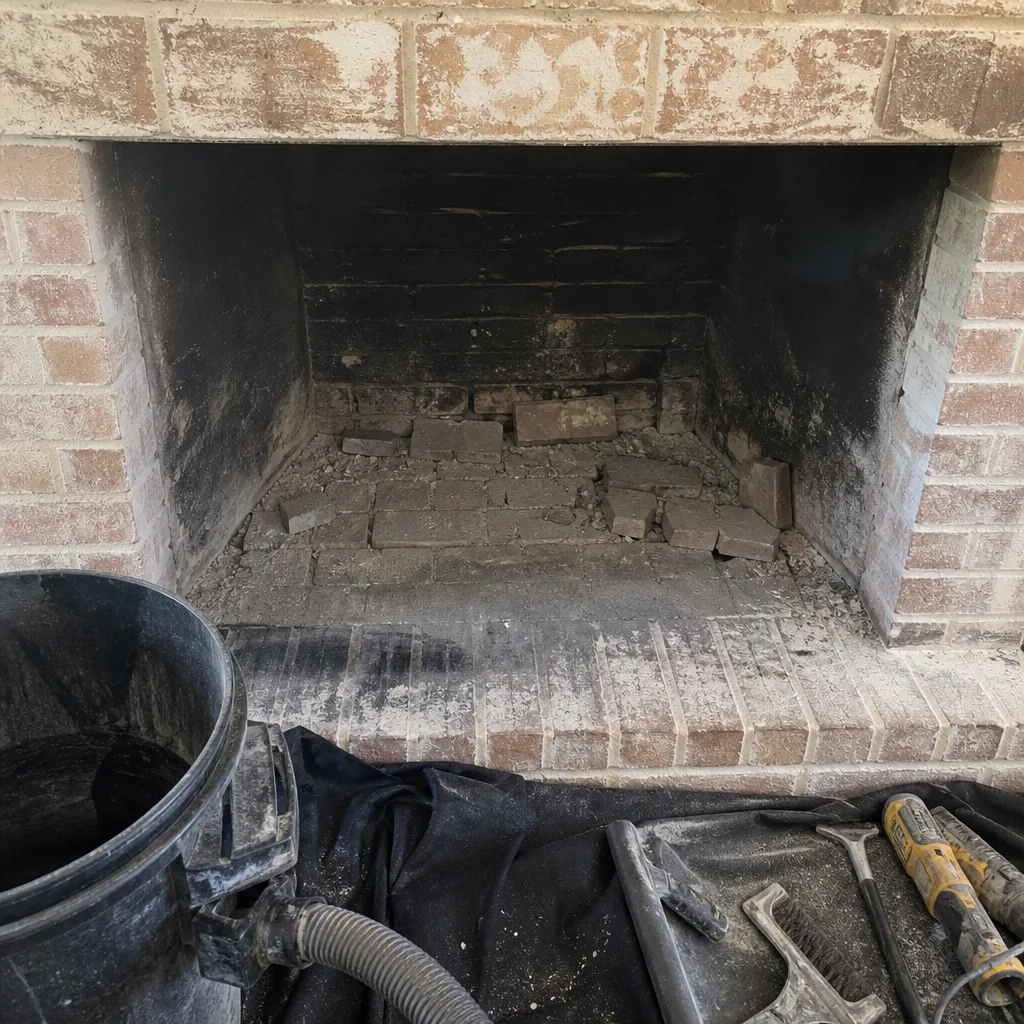 Before
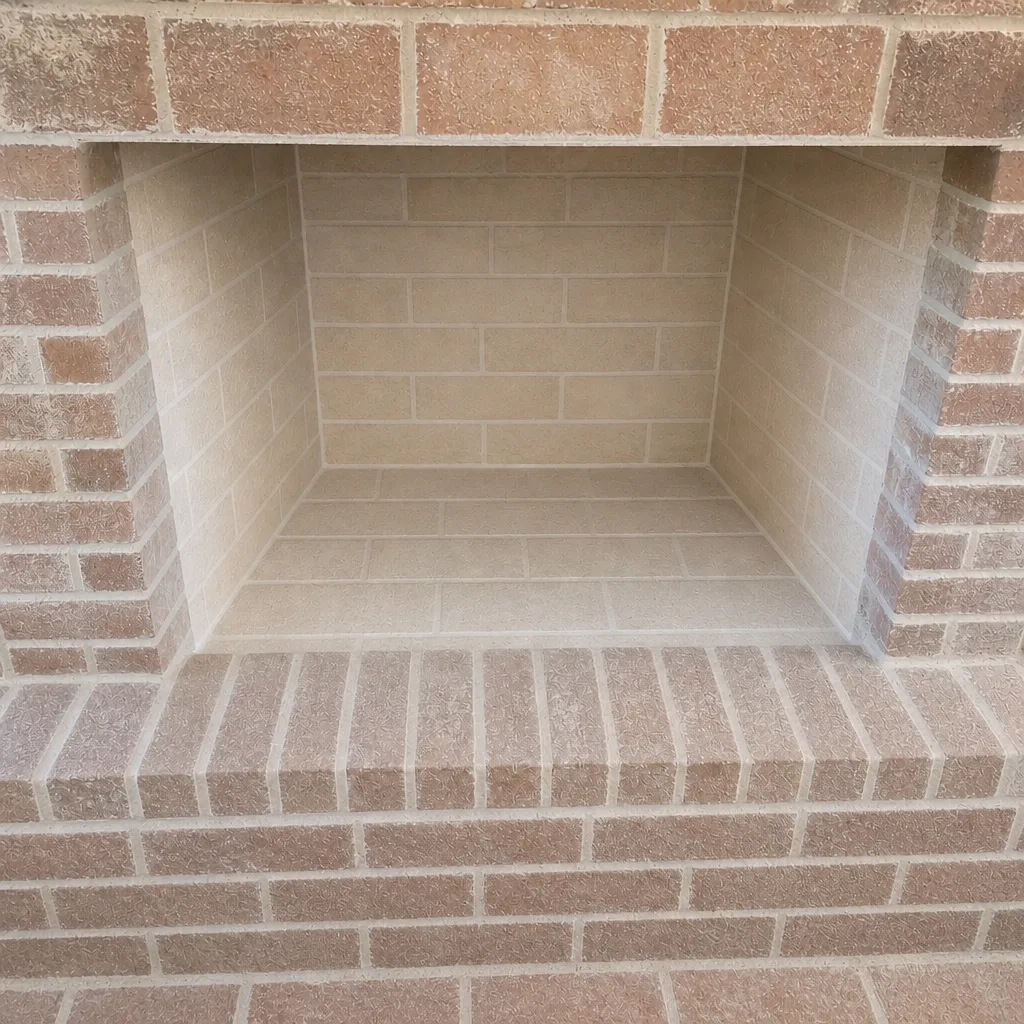 After
Frequently Asked Questions
A standard chimney sweep and inspection in Corpus Christi typically lands in the low-to-mid hundreds of dollars, and the exact price depends on the chimney’s condition and whether any repair is needed. The written estimate you get before booking sets the final price. Call (888) 869-3130 for an exact quote. Estimates are free.
Not always. A liner with hairline cracks can sometimes be restored with HeatShield resurfacing rather than fully replaced, while a liner with a missing section or a liner that has failed at multiple points will need a full relining job. The inspection evidence decides which route is right, and we show you the evidence before recommending either. Call (888) 869-3130 for a free estimate that spells out which option applies.
Once per year for most homes, with an inspection every year regardless of how much the fireplace was used. The inspection is the more important part of the annual visit because it looks at structural and venting condition, not just soot. Homes that have sat dormant for a season or more should be inspected before the first fire of the next season. Call (888) 869-3130 to get on the annual schedule.
Problems that would have been caught small have more time to develop into repairs. A failing crown lets water into the masonry, a hairline liner crack grows, and a small exterior mortar issue becomes a repointing job. It’s a slower and more expensive version of the same maintenance. Call (888) 869-3130 before heating season to book the inspection rather than after a problem surfaces.
Because it’s the same risk in a different room. A clogged dryer vent traps heat behind lint the same way a blocked flue traps products of combustion, and the NFPA identifies dryers as a leading cause of residential fires. Both vents need annual attention, and scheduling both on the same visit means neither gets forgotten. Call (888) 869-3130 to book both together.
No, and we don’t recommend it. The exterior masonry, cap, and crown can be checked from the ground or with binoculars, and the liner is checked safely from the firebox opening with a flashlight. Anything that requires going up on the roof is a professional job, and the ground-level checks will tell you whether a professional visit is needed. Call (888) 869-3130 for a free estimate if you want the full inspection done.
The Bottom Line
The chimney maintenance checklist for a Corpus Christi home has two layers. The homeowner layer is a twice-a-year exterior walk, a flashlight liner test from the firebox opening, a damper function check, and a ground-level look at the cap and crown. The professional layer is the annual sweep and inspection that catches everything the homeowner layer can’t, plus the dryer vent cleaning that rounds out the full combustion-safety picture. The checklist works because each item has a pass/fail answer you can apply yourself, and because the timing is anchored to the two moments that matter: before heating season and after a long dormancy. Do the homeowner checks a couple of times a year, book the professional visit on the annual cadence, and add the dryer vent to the same booking so nothing gets forgotten.
Book Your Chimney Checklist Visit
If you’re reading this and realize any item on the checklist is overdue, the right next step is a call. Starling Chimney Sweep offers free estimates in Corpus Christi. Call (888) 869-3130. We answer 24/7. Fast dispatch from 7am to 7pm, Sunday through Friday. We work on Corpus Christi homes with the professional-grade materials the chimney industry relies on, including HeatShield, Gelco, Olympia Chimney, and Famco, and we recommend nothing without evidence you can see for yourself. The written estimate sets the final price before any work is booked. To see what else we cover, visit Starling Chimney Sweep.
Written by the team at Starling Chimney Sweep.