
Last updated November 15, 2026
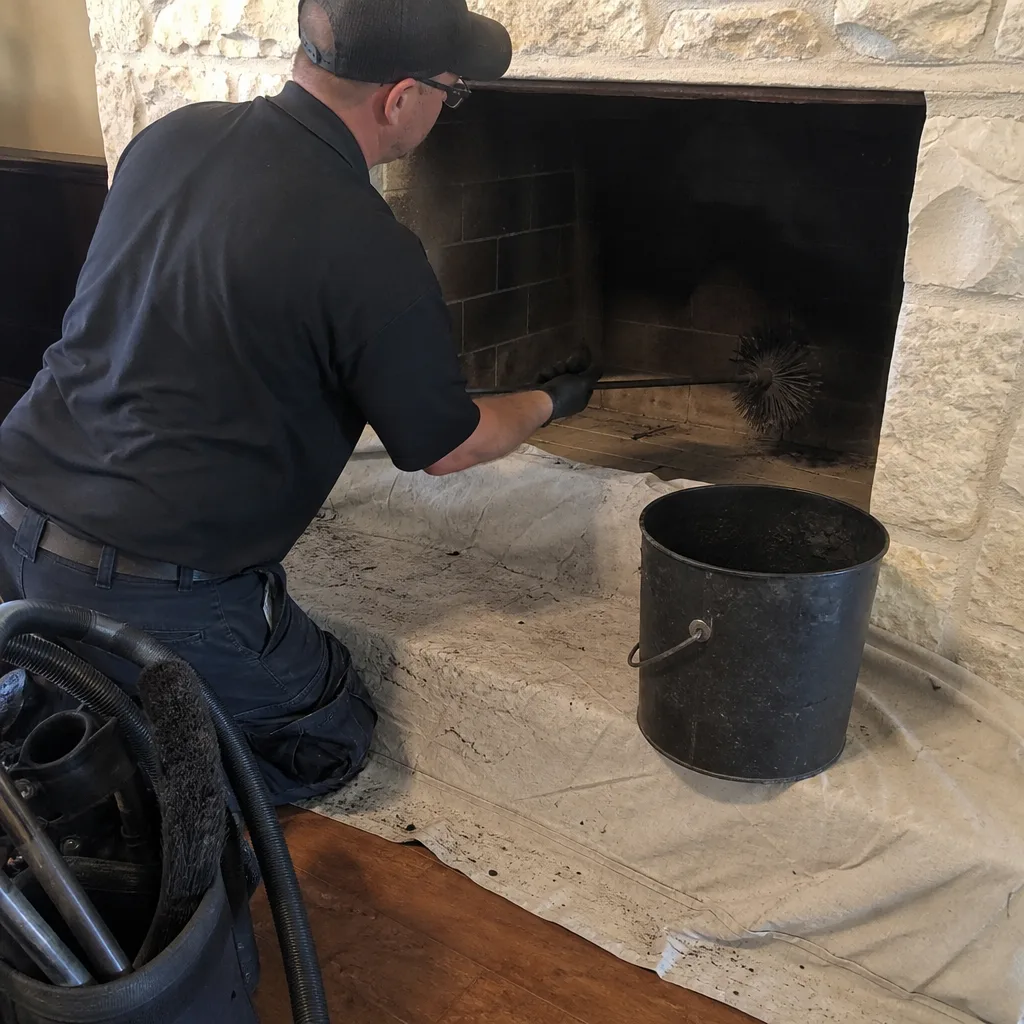
 Sweep & inspection
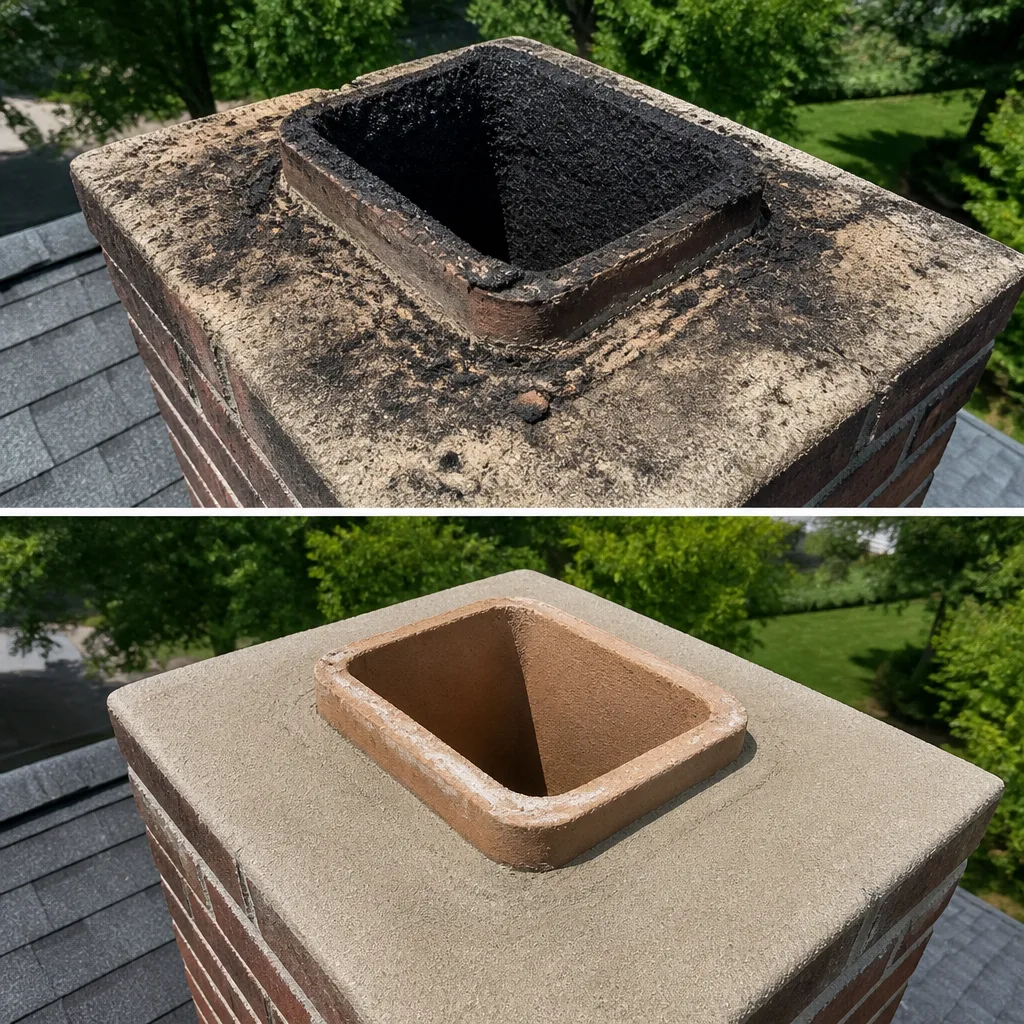
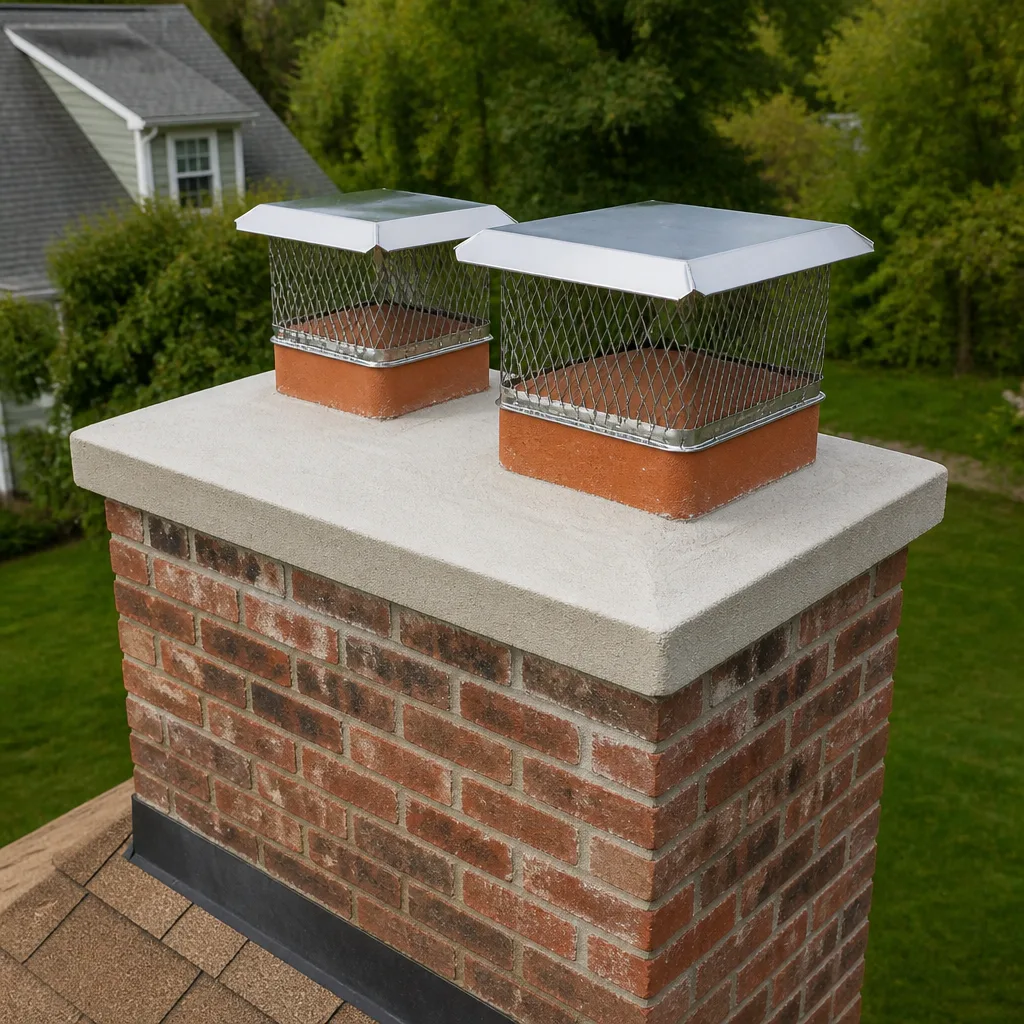 Caps & crowns
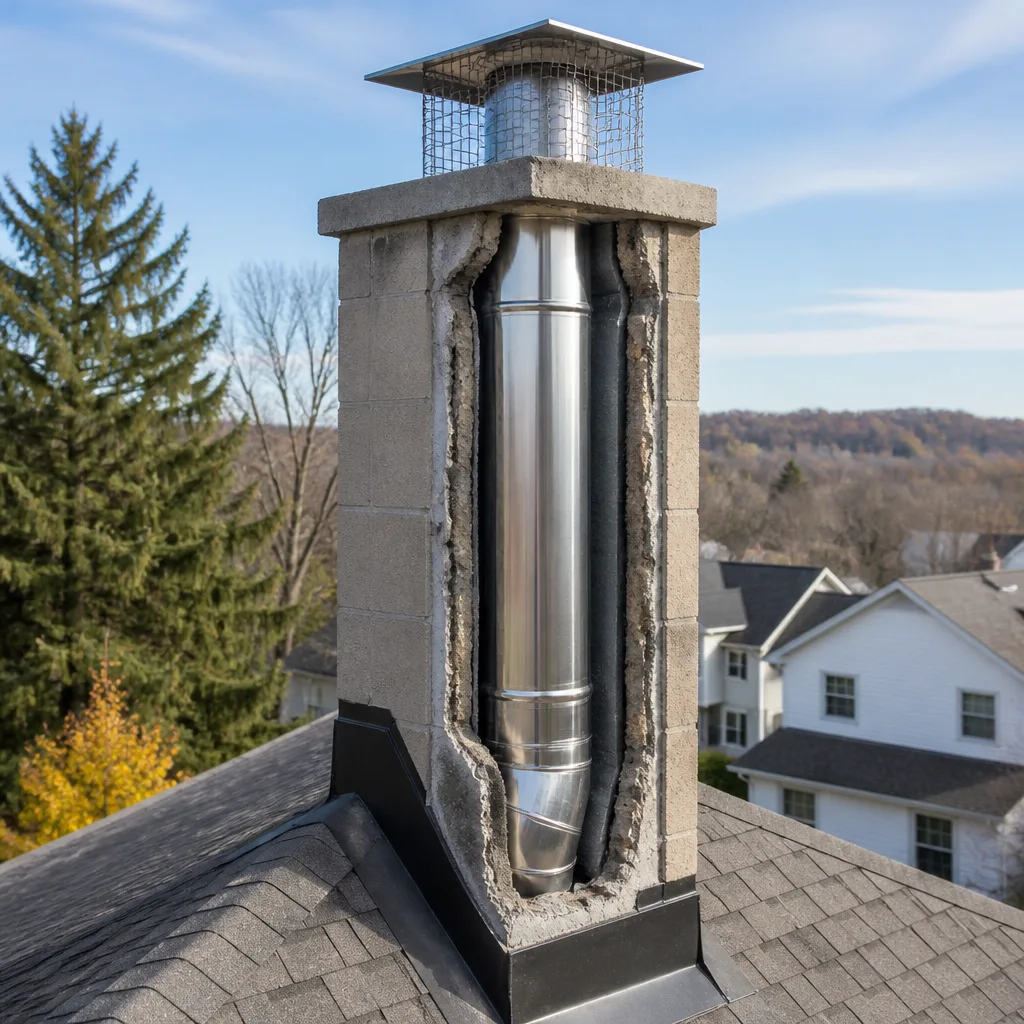 Flue relining
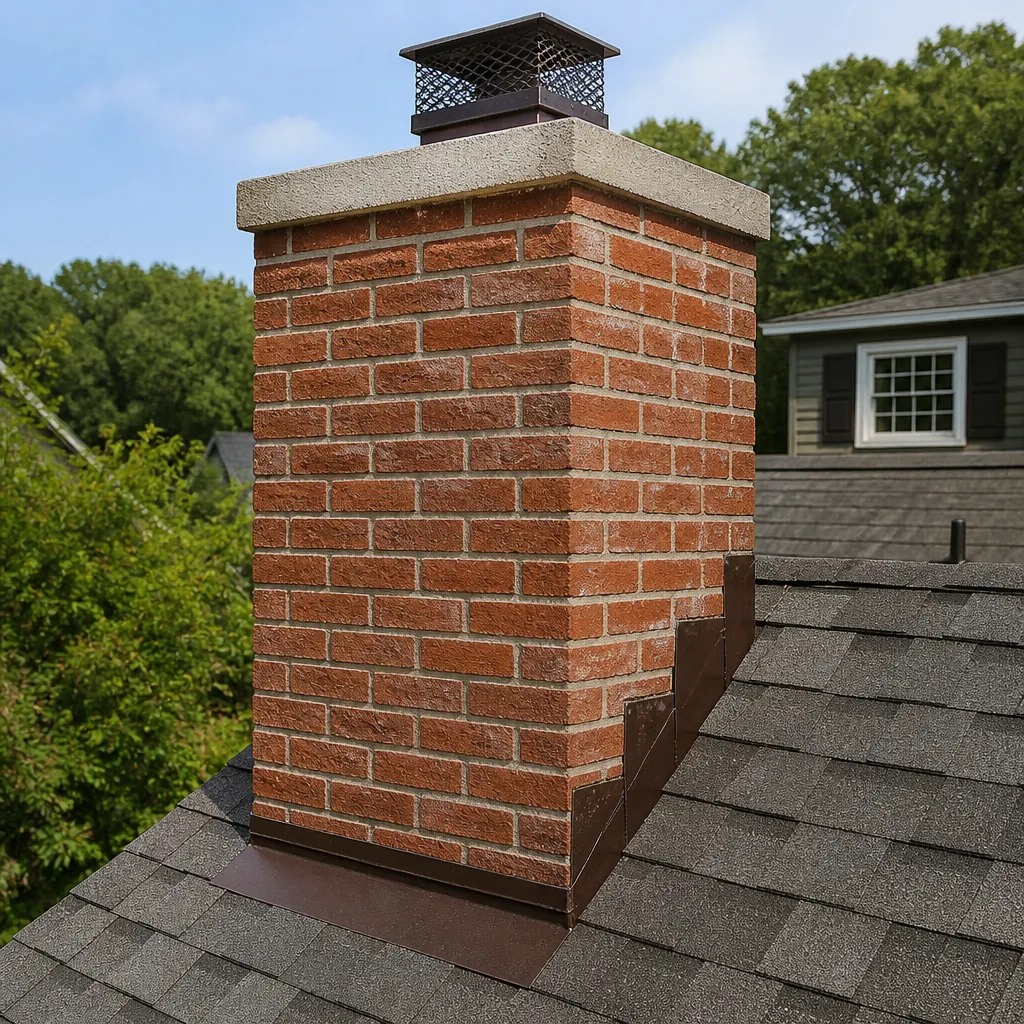 Masonry repair
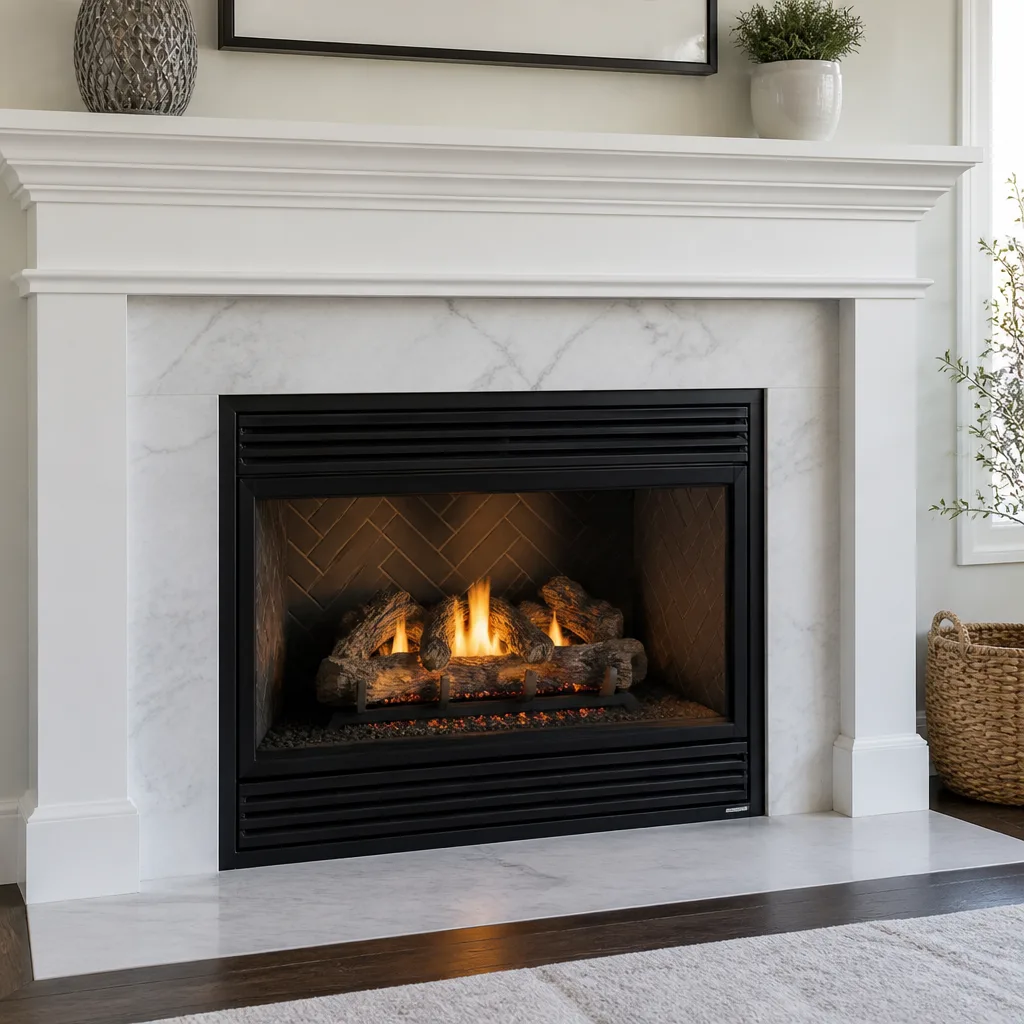 Gas fireplace service
Level 1 sweep and inspection to the NFPA 211 annual standard - flue, crown, cap, and flashing checked and photographed
Chimney sweep logs do not sweep chimneys. They loosen some creosote - which then falls where a brush and vacuum still have to collect it.
Chimney Cleaning Permits, Codes & Inspections in Corpus Christi, TX: What You Need to Know
Here’s the part most homeowners learn too late: the cleaning itself was never the paperwork problem. A chimney sweep finds a cracked liner, the liner gets replaced, and life moves on. Two years later an insurance adjuster handling a claim asks for the permit number, and the homeowner discovers the contractor never pulled one. In Texas that gap follows the house, not the contractor. This guide lays out exactly which chimney services in Corpus Christi require a city building permit and which don’t, how NFPA 211 sits behind local enforcement, what a Level 2 inspection really covers, and how to collect the documentation your insurer and a future buyer will want to see.
Quick Answer
Routine chimney cleaning and inspection in Corpus Christi do not require a building permit. Structural work does: relining a flue, reconstructing a firebox, or replacing major chimney components generally triggers City of Corpus Christi permit requirements, and any contractor performing that work should pull the permit and give you the documentation. The technical standard behind local enforcement is NFPA 211, which governs clearances, liner integrity, and venting. If a repair contractor can’t produce a permit record, you inherit that gap at resale or at claim time.
Styles & brands we work with
- Sweep & inspection
- Caps & crowns
- Flue relining
- Masonry repair
- Gas fireplace service
Table of Contents
- Which chimney services need a permit in Corpus Christi, and which don’t?
- What does NFPA 211 actually require?
- What is a Level 2 inspection, and when do you need one?
- Is a gas log insert in a wood-burning firebox code-compliant?
- What documentation should you request from a contractor?
- How permits and inspections affect insurance and resale
- How Corpus Christi conditions shape chimney wear
Which Chimney Services in Corpus Christi Need a Permit, and Which Don’t?
Cleaning and inspection are maintenance, not construction. Relining, firebox reconstruction, and structural repair are construction. That’s the dividing line, and it holds in most Texas jurisdictions, including Corpus Christi. The straightforward version:
Typically no permit required:
- Routine chimney sweeping (removing soot, creosote, and debris)
- Level 1, Level 2, and Level 3 inspections
- Dryer vent cleaning
- Minor cap or spark arrestor replacement
- Visual evaluation and camera documentation
Usually requires a City of Corpus Christi building permit:
- Installation of a new flue liner or relining an existing flue
- Firebox reconstruction or masonry repair affecting structural integrity
- Chimney chase reconstruction or major component replacement
- Converting a wood-burning fireplace to a gas appliance with new venting
- Any work that alters the chimney’s footprint or height
What this means for you: if you’re booking a straightforward chimney sweep, you shouldn’t be asked to sign permit paperwork. If a contractor proposes relining or reconstruction and says a permit isn’t needed, ask them to put that in writing and explain why. Legitimate reasons exist in narrow cases, but the answer should be specific, not casual.
We’ve seen the usual sequence play out more than once: an inspection uncovers a liner problem, the homeowner approves the repair, the repair happens, and the permit question never gets asked. Ask it upfront. It’s a five-minute conversation that protects you for years.
What Does NFPA 211 Actually Require?
NFPA 211 is the Standard for Chimneys, Fireplaces, Vents, and Solid Fuel-Burning Appliances. It’s the technical backbone that local building codes, insurance underwriters, and inspection standards all point back to. When a Corpus Christi inspector checks clearance to combustibles, they’re applying NFPA 211. When your insurer asks whether the flue is properly lined, NFPA 211 is the benchmark.
The standard’s core requirements that affect homeowners:
- Clearances to combustibles. Chimneys must maintain specific distances from framing, insulation, and other combustible materials. Older Corpus Christi homes with original construction sometimes have clearances that don’t meet the current standard.
- Liner integrity. Every flue must have a continuous liner appropriate for the appliance and fuel type. A cracked liner allows combustion gases, including carbon monoxide, into living spaces.
- Proper venting for the appliance. Gas appliances vent differently than wood-burning ones. An insert installed without verifying the venting matches the appliance is a code problem, not a cosmetic one.
- Chimney height and termination. The chimney must extend above the roofline per the standard’s proportions to ensure adequate draft and proper smoke discharge.
- Condition of the flue interior. NFPA 211 requires the flue be inspected for deterioration and that any deficiencies be corrected before the appliance is used.
NFPA 211 also establishes the inspection framework (Level 1, 2, and 3) that chimney professionals use to evaluate your system. That framework is what your inspector will follow when assessing whether repairs are needed.
We work to NFPA 211 because it’s the standard our work gets measured against, not a checklist we invented. If a contractor can’t explain which part of NFPA 211 applies to your specific situation, that’s a signal worth noticing.
What Is a Level 2 Inspection, and When Do You Need One?
A Level 2 inspection is a detailed evaluation of the chimney’s accessible interior and exterior, typically using a camera and including the appliance connection, the flue interior, and the chimney’s structural condition. It goes further than a routine Level 1 visual check, and it’s the inspection Texas real estate transactions commonly require when a home with a fireplace or wood-burning appliance is being sold.
You need a Level 2 inspection when:
- You’re buying or selling a home with a chimney or fireplace
- You’ve changed the type of appliance or fuel (wood to gas, for example)
- A major event occurred – a chimney fire, a seismic event, or significant weather damage
- A Level 1 inspection results in uncertainty about the flue’s condition
- The chimney has been dormant for an extended period before returning it to use
- You’re preparing to reline or repair and need documentation of the current state
In a Corpus Christi real estate transaction, the Level 2 inspection report becomes part of the disclosure conversation. If the inspection finds a cracked liner or missing clearances, the seller typically has to address it or disclose it. A thorough Level 2 report protects both sides: the buyer knows what they’re getting, and the seller has documentation of the chimney’s condition at the time of sale.
We recommend a Level 2 inspection before any heating season if the chimney hasn’t been evaluated in several years, and always after a long dormancy. A dormant chimney can hide problems that only become evident once you’re actually using it.
Is a Gas Log Insert in a Wood-Burning Firebox Code-Compliant?
Not automatically, and Corpus Christi homeowners convert wood-burning fireplaces to gas logs frequently enough that it’s worth explaining. A gas log insert installed in an existing wood-burning firebox can be code-compliant, but only when the venting is correct for the appliance, the damper configuration is addressed, and the installation meets NFPA 211 and manufacturer requirements.
What a compliant installation includes:
- Correct venting for the appliance type. Some gas log sets are vented through the chimney; others are vent-free. Each has specific installation requirements. Mismatching the appliance to the venting is a common error.
- Damper position maintained or modified. A vented gas log set requires the damper to remain open or be physically blocked open. A damper that can be accidentally closed while the gas logs are burning is a safety problem.
- Liner suitability. The existing flue liner must be rated for the appliance’s exhaust characteristics. A liner intended for wood combustion may not be appropriate for gas without evaluation.
- Clearance from combustibles. Gas log sets have specific clearance-to-combustible requirements that often differ from what the original wood-burning fireplace was built with.
- Proper gas line connection and shutoff. This is a gas line, which means it’s in the category of work that requires a licensed professional. Never attempt to modify or connect a gas line yourself.
Gas lines and gas appliance connections are dangerous components with real consequences for carbon monoxide exposure and fire risk. If you’re considering a conversion, have the work performed by a qualified professional who will verify the installation against the appliance’s requirements and NFPA 211. Ask for the documentation that the installation meets code – it’s the same documentation your insurer may request.
We evaluate the existing firebox and venting before any conversion work is recommended. If a conversion can’t be done safely with the existing system, we say so rather than make it fit. That’s the position that protects your home.
What Documentation Should You Request From a Contractor?
Documentation is what separates a job that protects you from one that leaves a gap. The paperwork you should request depends on the work performed, but the baseline is consistent. Here’s what to collect:
- Written estimate before work begins. It should state scope, materials, and what’s included. The written estimate sets the final price.
- Permit record for structural work. If the job required a City of Corpus Christi permit, ask for the permit number and the inspection sign-off when the work is complete.
- Inspection report with photos. Any inspection – Level 1 or Level 2 – should include a written report documenting findings. Camera images of the flue interior should be part of it.
- Material documentation. For relining and repair, ask what materials were used. Professional-grade liner systems come with documentation that identifies the product and its ratings.
- Workmanship statement. What’s covered if something goes wrong? A satisfied job means the contractor stands behind it. Get it in writing.
- Before and after photos. Camera evidence of the flue before and after cleaning or repair. This is what your insurer will want if you ever file a claim related to the chimney.
We use professional-grade materials – DuraFlex liner systems for relining, HeatShield for resurfacing deteriorating flue interiors – and we document what we install. HeatShield resurfacing seals hairline cracks so your flue handles heat the way it was designed to, and it extends chimney life without full liner replacement in qualifying cases. The documentation of what was done and with what material matters just as much as the material itself, because that record follows the house.
How Permits and Inspections Affect Insurance and Resale
Your homeowner’s insurance policy doesn’t ask about your chimney at signup. It asks when something happens. If a chimney fire causes damage and the investigation reveals that a liner replacement was done without a permit, an insurer may treat the unpermitted work as a coverage problem. It’s not a guaranteed denial in every case, but it’s a complication you don’t want sitting in the middle of a claim.
The same principle applies at resale. Texas real estate transactions involving a home with a fireplace or wood-burning appliance commonly call for a Level 2 inspection. A buyer’s inspector will note unpermitted structural work if it’s evident or if records don’t exist. That can slow a closing, reduce a sale price, or become a negotiation point you weren’t planning on.
The pattern so far:
- Cleaning and inspection leave a clean record with no permit trail.
- Structural work with a permit leaves a documented, defensible record.
- Structural work without a permit leaves an open question that resurfaces at claim time or resale.
If you’ve inherited a chimney with work of unknown origin, a Level 2 inspection gives you a current baseline. It doesn’t rewrite the past, but it establishes a documented condition that you can present as the starting point for future work.
The Corpus Christi homes that hold their value best at resale tend to have a paper trail. Our Starling Chimney Sweep inspection reports are written for that purpose: clear findings, camera evidence, and a record you can hand to a buyer or an adjuster.
How Corpus Christi Conditions Shape Chimney Wear
Corpus Christi’s climate does the chimney no favors, in ways that differ from northern markets. Winters are mild, which means homeowners often use fireplaces less consistently, and a chimney that’s used intermittently can accumulate creosote without ever getting hot enough to burn it off cleanly. Years of light use leave deposits that a homeowner doesn’t expect from a fireplace that only gets lit a few times a year.
The damp stretches between cold fronts and the long humid stretches of the year affect masonry and metal components. Masonry chimneys can show moisture-related deterioration in the crown and flashing without it being visible from the ground. Metal liners can develop rust or separation at the joints. Neither of these is a roof problem – they’re chimney issues that a proper inspection catches.
What doesn’t hold in Corpus Christi is the assumption that a mild climate means the chimney is under less stress. A dormant chimney that sits through a long humid summer and then gets lit in November is exactly the scenario where a Level 2 inspection earns its keep. Creosote that has accumulated and never been cleaned is the fuel source for most chimney fires. The NFPA identifies dryers as a leading cause of residential fires as well, and a home that neglects one duct tends to neglect the other. That’s why we treat dryer vent cleaning as core work rather than an add-on – the same lint-and-debris logic applies.
If you’re in Corpus Christi and haven’t had the chimney evaluated this season, schedule it before the first cool night rather than after. You’ll get better information from an inspection done on a dry day than from an emergency call after a smoke-back.
Common Mistakes to Avoid
- Assuming cleaning needs a permit, or assuming repair doesn’t. It’s the reverse of what many homeowners expect. Cleaning and inspection are maintenance. Relining and reconstruction are construction. Ask the contractor to explain which category your job falls into.
- Letting a contractor talk you out of a permit without putting the reasoning in writing. If a repair contractor says a permit is optional, have them document why. In our experience, the contractors who are confident about permits are the ones who pull them.
- Skipping the Level 2 inspection during a home sale because the seller had a recent cleaning. A cleaning and a Level 2 inspection are different services. A receipt for a sweep is not an inspection report, and a buyer’s inspector will know the difference.
- Installing a gas log set without verifying the damper and venting configuration. A vented gas log set requires the damper to be open. A damper that can close on a burning gas log is a carbon monoxide hazard. This is gas work – it needs a licensed professional, not a weekend project.
- Treating the chimney as a separate issue from the dryer vent. Both are combustion-safety and ventilation concerns in the same house. When one is neglected, the other usually is too. Schedule both.
- Filing an insurance claim without documentation of the chimney’s prior condition. Inspection reports and camera photos from a cleaning or Level 2 become your evidence. Get them before you need them.
- Letting a contractor perform structural repair without providing a written estimate first. The written estimate sets the final price and defines the scope. If a contractor won’t put it in writing, don’t start.
See the difference
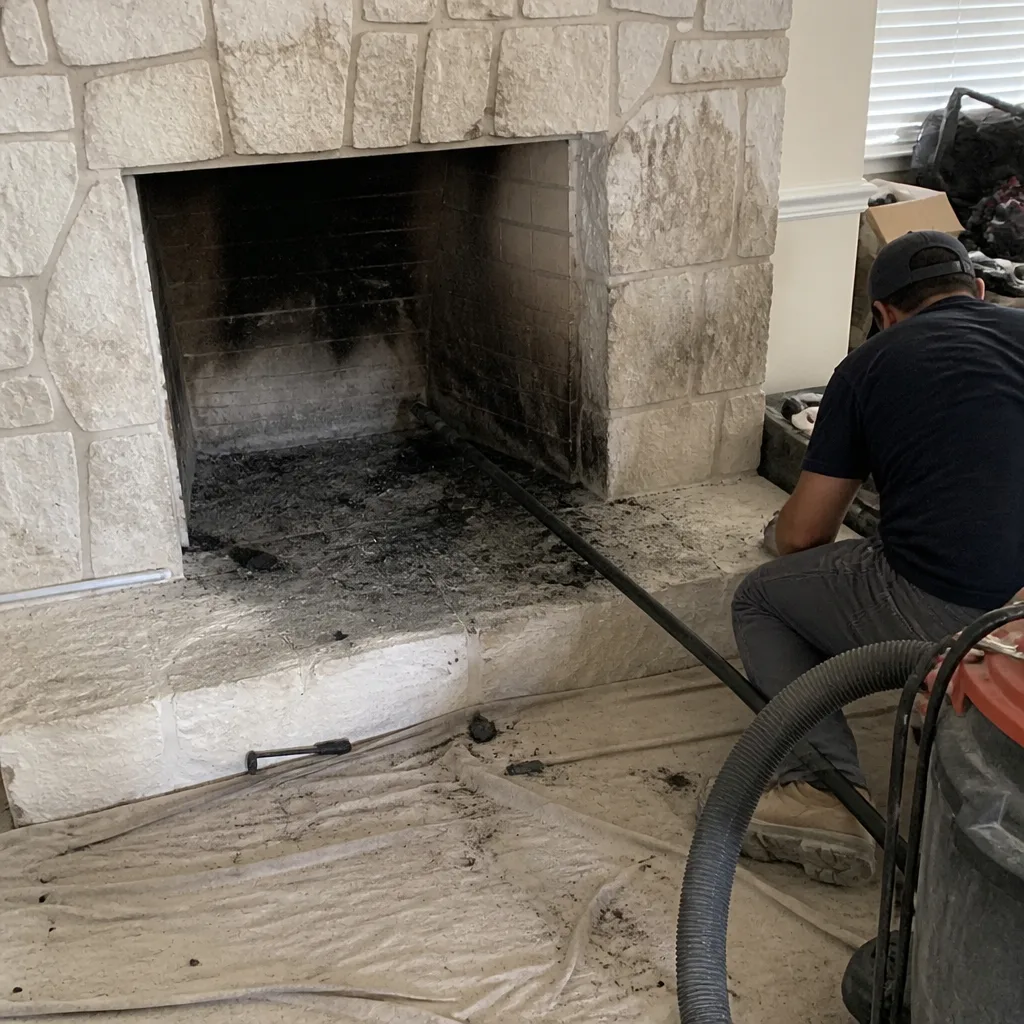 Before
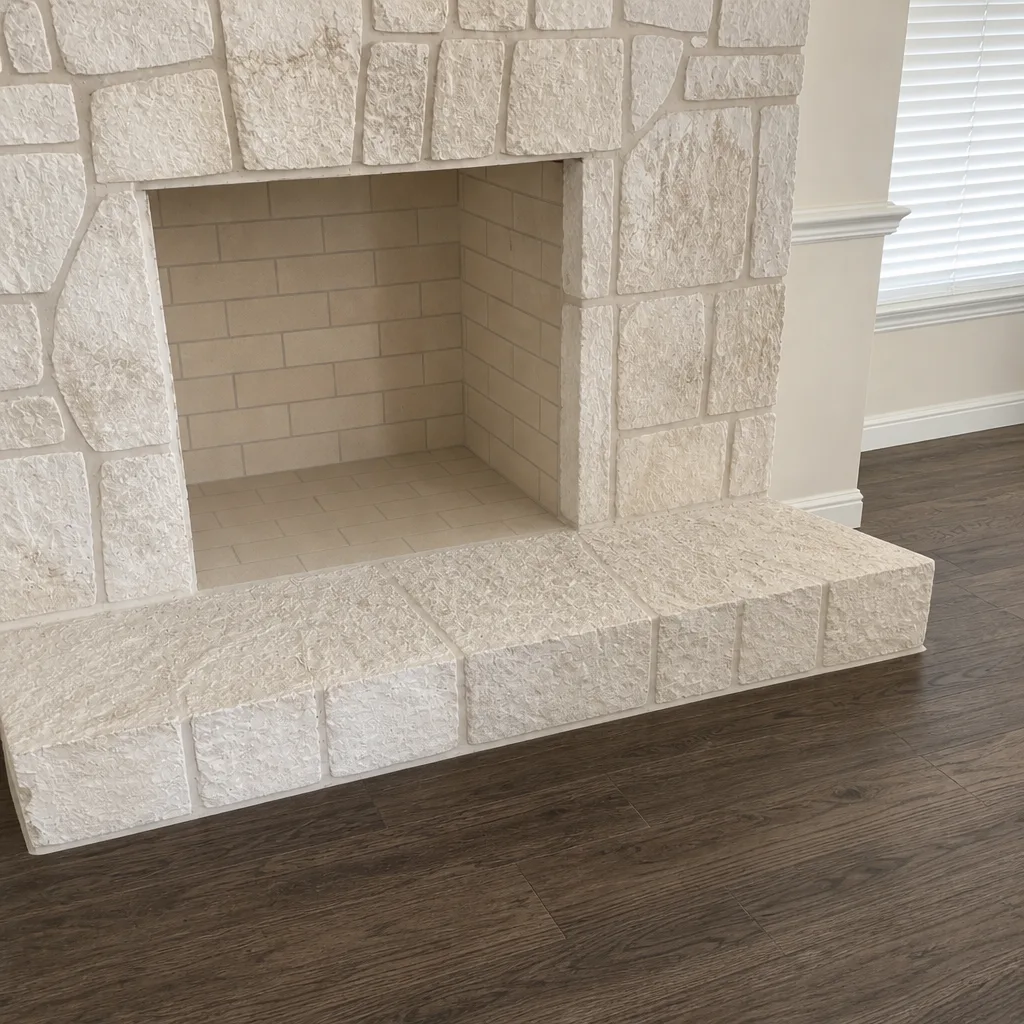 After
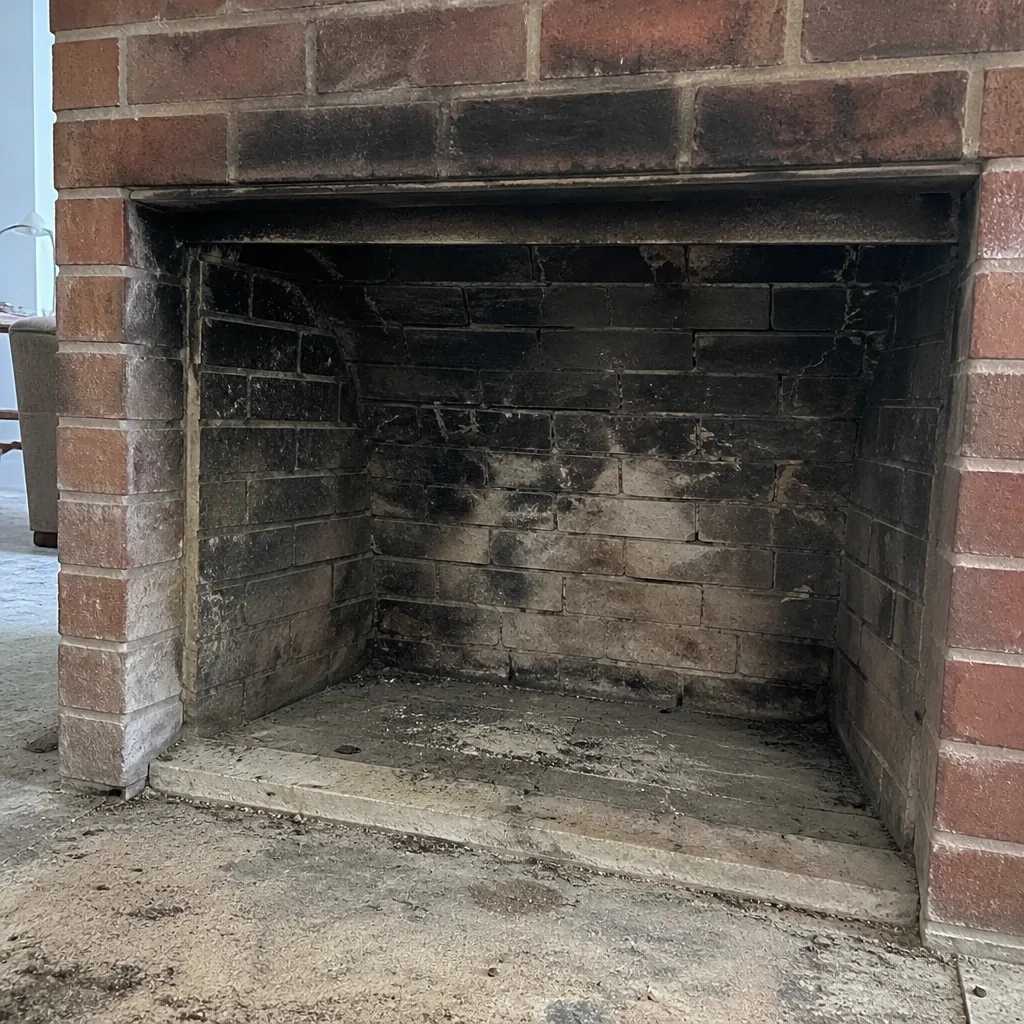 Before
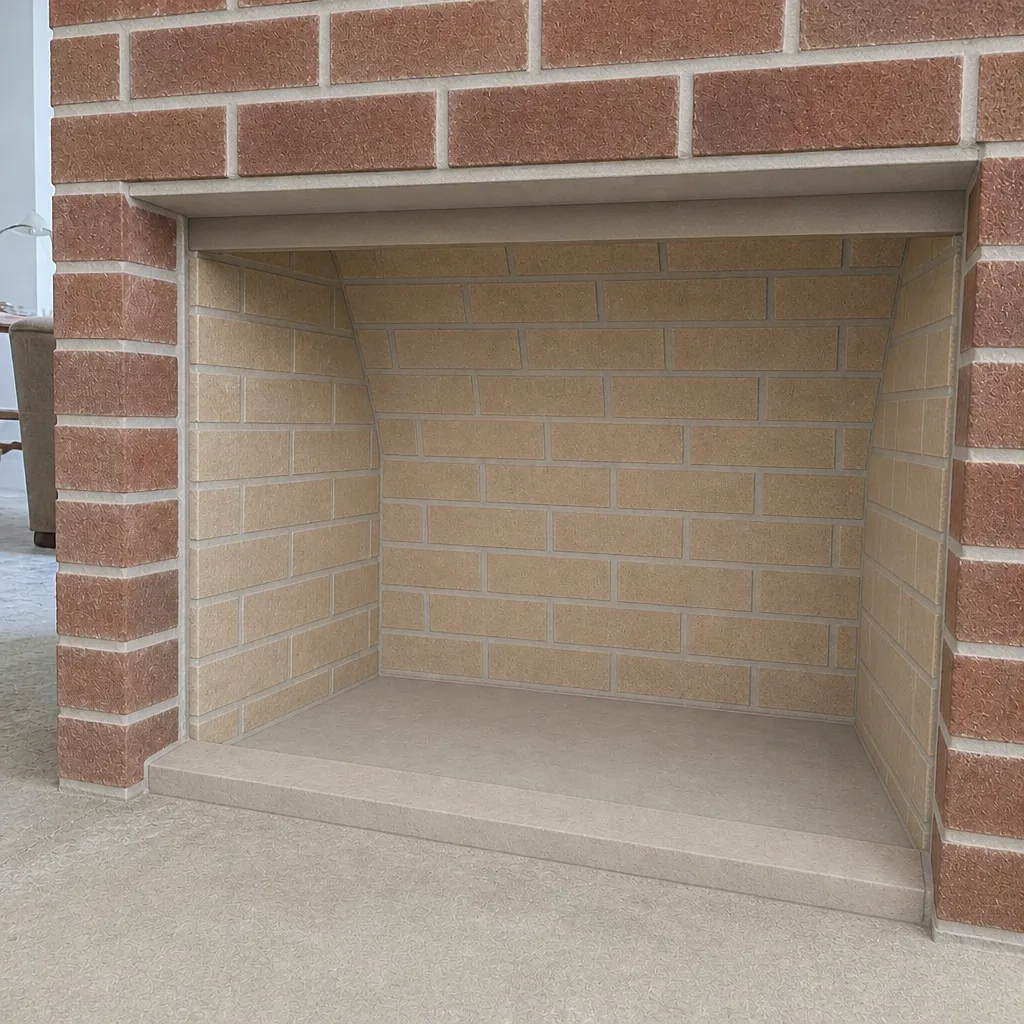 After
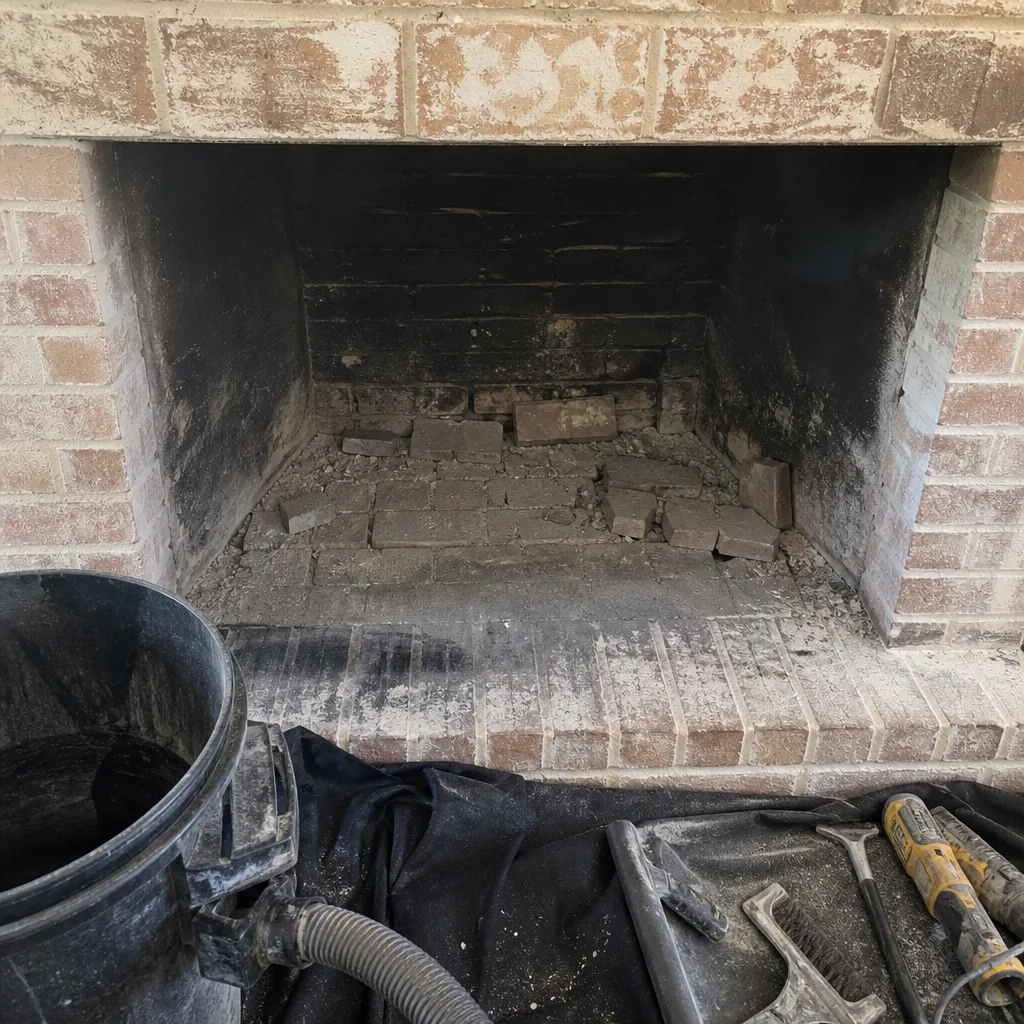 Before
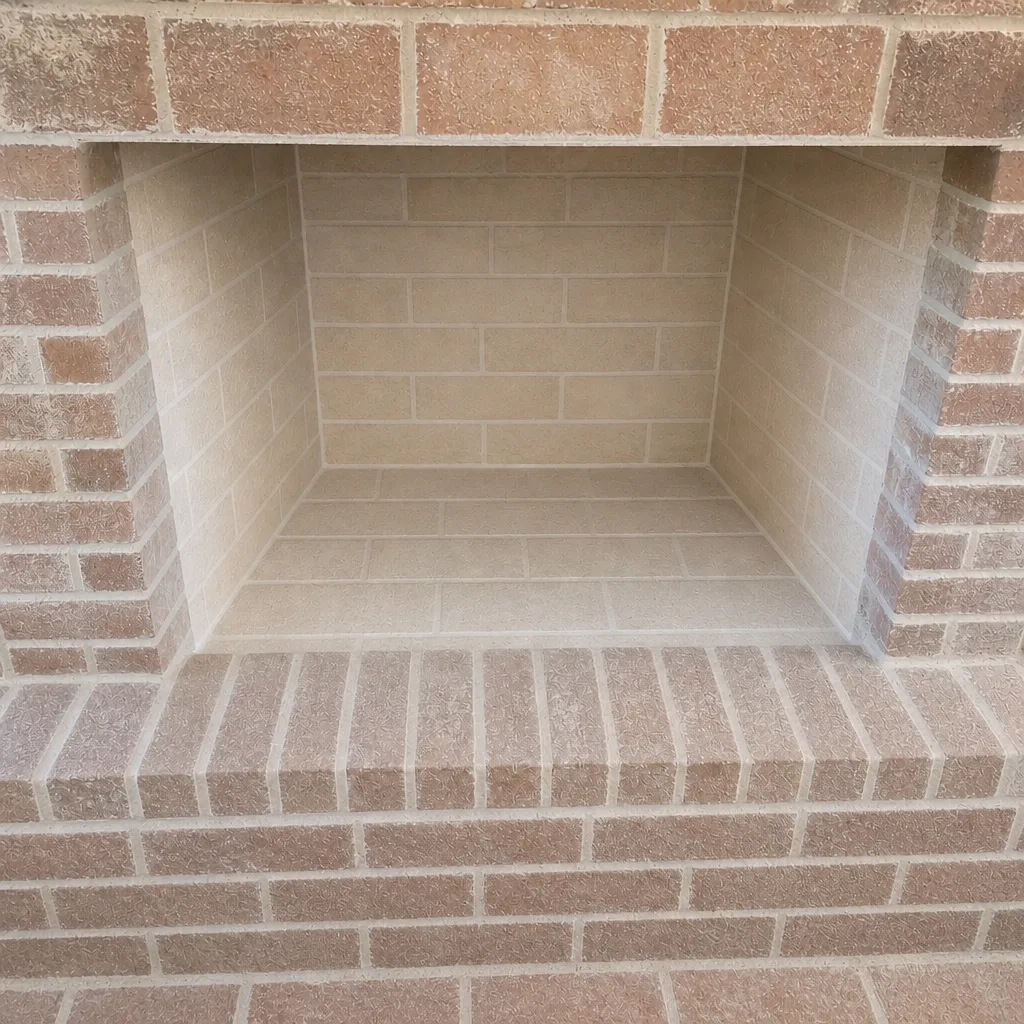 After
When to Call a Professional
Call a professional if you haven’t had the chimney inspected this year, if you’re buying or selling a home with a fireplace, if you’ve noticed smoke backing into the room, if a strong odor comes from the fireplace on warm days, if you’ve had a chimney fire (even one you put out yourself), or if a contractor has proposed relining or reconstruction and you want an independent evaluation first. Any gas appliance conversion or connection is professional territory from the start. Starling Chimney Sweep offers free estimates in Corpus Christi – call (888) 869-3130. We answer 24/7. Fast dispatch from 7am to 7pm, Sunday through Friday. We’re closed Saturdays. Our technicians have up to 9 years of experience, and we document our work so the record is there when you need it.
Frequently Asked Questions
No. Routine chimney cleaning and inspection in Corpus Christi do not require a building permit. Permits are typically triggered by structural work – relining a flue, reconstructing a firebox, or major component replacement. Call (888) 869-3130 for a free estimate on cleaning or inspection – no permit paperwork needed.
In most cases, yes. Relining a flue, reconstructing a firebox, and replacing major chimney components generally require a building permit, and the contractor doing the work should pull it. Ask for the permit number before work begins and the inspection sign-off when it’s done. Call (888) 869-3130 to talk through your project – estimates are free.
A Level 1 inspection is a visual check of accessible chimney components during routine service. A Level 2 inspection goes further – it includes camera evaluation of the flue interior, the appliance connection, and the chimney’s structural condition. Texas real estate transactions commonly require a Level 2 when a home with a fireplace sells. Call (888) 869-3130 to schedule an inspection – estimates are free.
An insurer may ask for it if you file a claim related to chimney damage. Unpermitted structural work can complicate a claim even if your policy doesn’t require permits at the time of installation. The cleanest approach is to keep permit records for structural work and inspection reports for everything. Call (888) 869-3130 to book an inspection – estimates are free.
No. A gas line and a gas appliance connection are dangerous components that require a licensed professional. A code-compliant gas log installation also requires verifying venting suitability, damper configuration, clearance to combustibles, and the existing liner’s ability to handle the exhaust. Call (888) 869-3130 for a free estimate and evaluation before any conversion.
Sweep when the flue has visible creosote accumulation – annually for most wood-burning fireplaces, and more often if the fireplace is used heavily. A dormant chimney in this climate can accumulate deposits that a light-use owner won’t anticipate. Call (888) 869-3130 to schedule a sweep – estimates are free.
The Bottom Line
Chimney cleaning and inspection in Corpus Christi are maintenance work and don’t require permits. Structural repair – relining, firebox reconstruction, major component replacement – does, and the permit record matters at claim time and resale. NFPA 211 is the standard behind local enforcement and your insurer’s questions, so it’s worth knowing what it covers. A Level 2 inspection is the right tool for a home purchase or after a long dormancy. Collect documentation for every job: permit records, inspection reports, material details, and photos. The paper trail is what protects you. Call (888) 869-3130 for a free estimate. We answer 24/7. Fast dispatch from 7am to 7pm, Sunday through Friday, closed Saturdays.
Written by the team at Starling Chimney Sweep.